




Untitled
Southeastern show focuses on safety SAN ANTONIO - The 51st annual Southeastern States Pupil Transportation Conference convened July 15-18 wi...

Southeastern show focuses on safety
SAN ANTONIO - The 51st annual Southeastern States Pupil Transportation Conference convened July 15-18 with a full plate of key issues. The most pervasive item on the menu, however, was occupant protection. Donald Tudor, state pupil transportation director in South Carolina, said he believes the federal government will eventually mandate some form of active restraint systems on school buses. "Hopefully, we will all be retired so we won't have to deal with it, but it is going to happen," he said. The theme of occupant protection was revisited several times during the event, most notably in Beth Warren's presentation on child safety restraint systems. Warren, the coordinator of occupant safety programs for the Texas Department of Public Safety, explained why preschool children are more significantly impacted by occupant restraint issues than the K-12 population. Meanwhile, the issue of motorcoach safety was also addressed. In light of the two crashes involving school-chartered motorcoaches in April, Phil Hanley of the Federal Motor Carrier Safety Administration stressed the need for a closer look at motorcoach safety. "We have identified motorcoach driver fatigue as a top-priority commercial motor vehicle safety issue," said Hanley. Head Start transportation was another subject of discussion. With the federal government's decision to mandate the use of school buses or approved equivalents, Head Start operators are facing significant challenges in meeting equip-ment needs as well as operational requirements. More than 500 delegates, exhibitors and guests attended the conference, held at the Adam's Mark Riverwalk in San Antonio. Attendees had the opportunity to interact with representatives from the 14 member states and view the latest equipment from 63 different vendors. Next year's conference will be held in Charleston, W.V
Some states feeling impact of economic slump
TORRANCE, Calif. - The impact of the nationÕs economic decline on school transportation has yet to be wholly felt, but some states are reporting some bumps in the road. In North Carolina, the state legislature is proposing to trim $24 million from school bus procurement funding for the 2001-02 school year. The state had planned to spend $29 million to buy 550 new buses. Now it appears that only $5 million will be appropriated, enough to buy 150 new buses. (For more on how fleet operators should be responding to the economic slowdown, see "The Last Word" on pg. 68). In South Carolina, the economic slump has required that the state Department of Education absorb an $18 million cut during fiscal year 2001 and has generated a shortfall in school bus funding for FY 2002. "The FY 2002 budget has no money for school bus purchases and is $3.5 million short of paying for the anticipated school bus parts and fuel," said Donald Tudor, state pupil transportation director in South Carolina. In Maine, tight money and fear of recession have prompted many local school districts to drop or delay bus replacements, even when partially subsidized with state funds, according to Harvey Boatman, Maine's pupil transportation director. The result is that "districts are deferring maintenance and taking the chance of running with fewer buses and spares in their fleets," he said. In Iowa, the impact has been less profound. Terry Voy, state pupil transportation director, said that while state tax revenue collection has not met expectations, the transportation program will not be significantly affected. However, there will be some impact. For example, the state's school bus inspection program is being modified to reduce costs by 10 percent, mainly by streamlining the on-site inspection schedule. "Out-of-state travel has been all but eliminated, except where justified and permitted in the adopted budget," he added.
More Safety
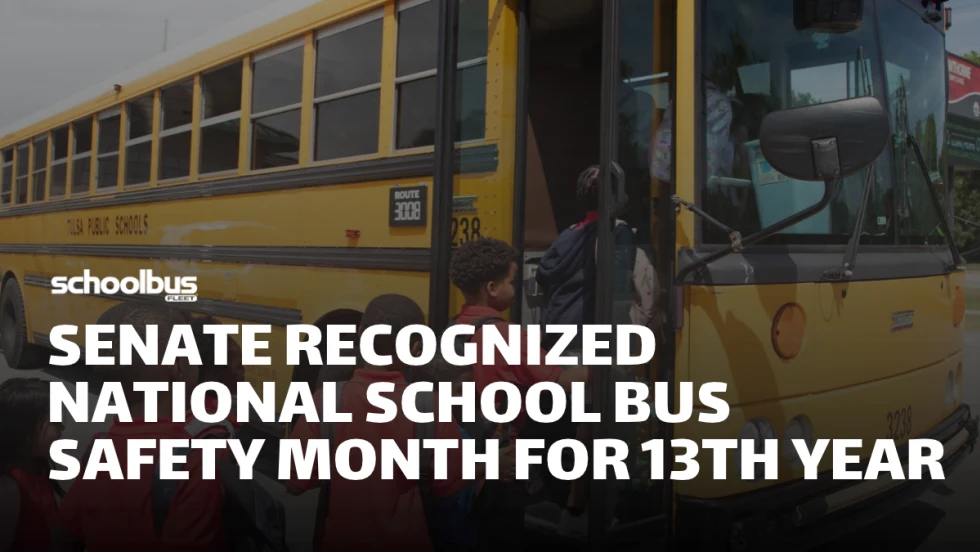
What the 2026 National School Bus Safety Month Resolution Means for Student Transportation
The bipartisan resolution highlights illegal school bus passing, student safety during loading and unloading, and the need for driver training and public education.
Read More →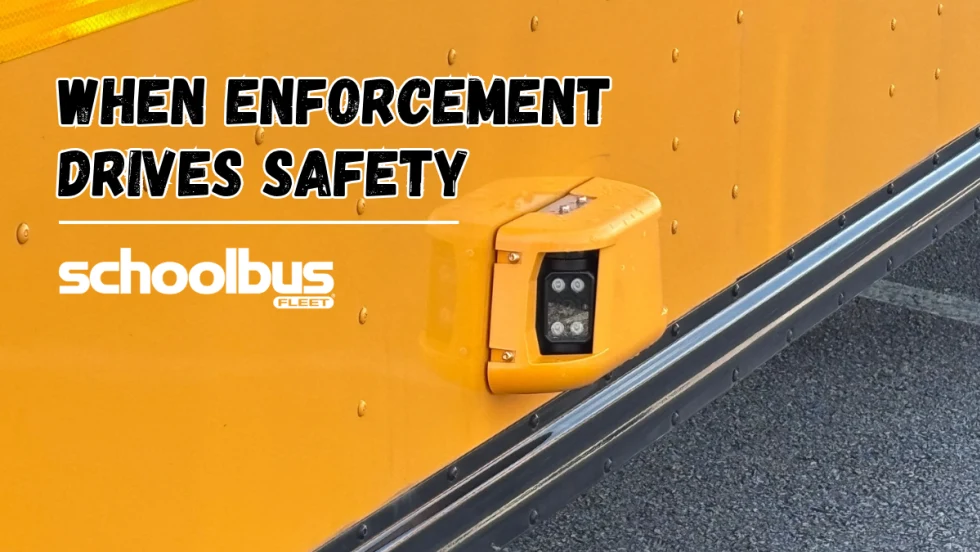
School Bus Stop-Arm Violations Decline 53% Across Verra Mobility Programs
Verra Mobility shares how school bus stop-arm cameras and school zone safety programs are changing driver behavior, reducing violations, and protecting students.
Read More →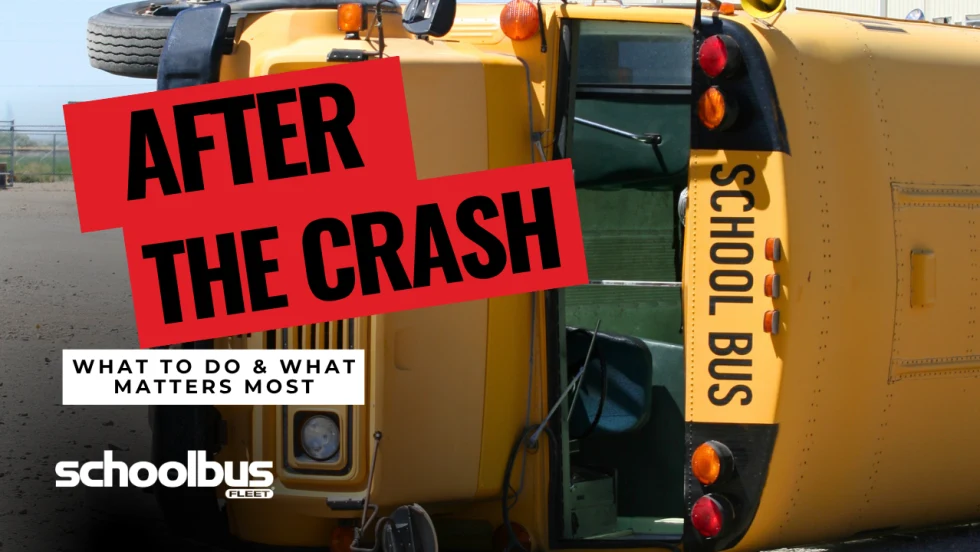
Most Bus Crashes Aren’t Your Fault. Here’s How to Prove It.
A guide for what to do in between a school bus crash and a claim: what to preserve, who to notify, and how to keep the facts available when they matter.
Read More →
National School Bus Safety Week 2026: Tips, Toolkits & Resources to Keep Students Safe
School bus safety takes more than awareness. Explore expert tips, enforcement strategies, and free resources to help protect students on every ride.
Read More →
2 Killed, Dozens Injured in Florida School Bus Crash
A multi-vehicle collision caused a Polk County school bus carrying 37 students to overturn on its way to Winter Haven High School.
Read More →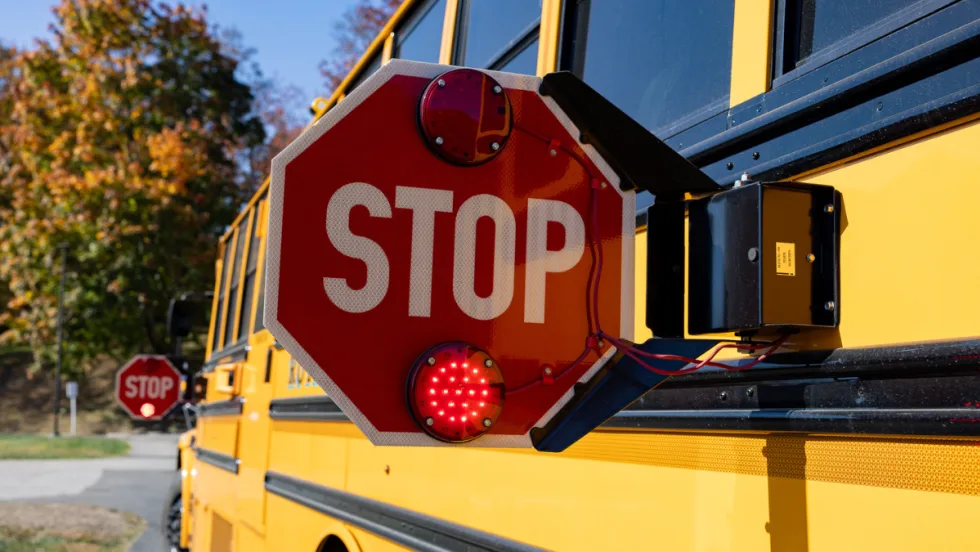
Illegal School Bus Passing Drops 24% in New York Districts
With fewer than 5% of citations involving repeat offenders, Westchester County officials said enforcement, education, and community partnerships are helping change driver behavior.
Read More →
School's Back. Here's What Happened to Traffic, Speeding & Distraction
What happens to traffic when school resumes? New data analysis examines changes in distracted driving, congestion, and speeding around schools.
Read More →
Geotab Expands Fleet Safety Tools With Video Coaching, Risk Insights
New safety and video capabilities aim to help fleet managers assess risk, support drivers, and take targeted action through video coaching, red-light violation detection, and more.
Read More →
How to Build a Better School Bus Driver Training Program
Is it time to strengthen your driver training? Here’s how to pick the right talent and improve recruitment, retention, and safety. This video is brought to you by IC Bus.
Read More →
Recent School Bus Accidents Leave 2 Dead, 2 Injured
Four school bus crashes in Florida, Illinois, and Georgia highlight risks in transportation lots, at bus stops, and during student loading and unloading.
Read More →