




The price is right - hiring a motor carrier is not a game
Much has been written in the pupil transportation media lately about using motor carriers for school-related trips. In fact, the federal government is...
Much has been written in the pupil transportation media lately about using motor carriers for school-related trips. In fact, the federal government is even getting involved in the discussion. But why? Is there a problem? In the aftermath of several serious motorcoach crashes involving students on school-related trips, the Federal Motor Carrier Safety Administration (FMCSA) informed the U.S. Congress that it would develop information to assist schools in making decisions about hiring motor carriers for such trips. Specifically, the document, which should be published during 2002, would be a guide to “best practices” in selecting private bus companies for transporting students on school-related field trips and for other events. Of primary importance, the federal government publication will not address the vehicular and operational differences between school buses and motor carriers. The document assumes that the decision to use a motor carrier, rather than a school bus, for the trip has already been made. Thus, the guide will provide information that will assist schools in making a safe choice among available motor carriers. Guide will assist schools
The National Association of State Directors of Pupil Transportation Services (NASDPTS), along with other representatives of the pupil transportation and motor carrier industries, is working with the FMCSA on the development of a guide to assist schools that have already decided to hire a motor carrier. The state directors association believes the guide should clearly advise schools that “cost” should not be the only consideration in deciding which motor carrier to hire. Safety is number one! But how can a school determine if the motor carrier they intend to hire is safe? There are a number of sources of important information about the safety of any motor carrier. Additionally, there are a number of logical questions that could be asked of motor carriers you might hire. For motor carriers that operate in interstate commerce, a wealth of information about the company’s safety record is available on the Internet. Each interstate motor carrier is required to have a U.S. DOT identification number. That number allows anyone to obtain a history about that company at www.safersys.org. Common sense helps, too
Common sense also enters into the decision-making process. Does the driver have a current CDL with a passenger endorsement? What about the driver’s medical certificate? Will the trip take more than 10 hours? If so, a second driver will be needed. How much insurance does the motor carrier have? Will subcontractors be used? And the list goes on. The bottom line to this effort by the FMCSA is to provide the pupil transportation industry with an informative and useful tool for selecting a safe and efficient motor carrier for school-related field trips in instances where the school has already decided not to use a school bus. There is no requirement that these “guidelines” and “recommendations” be used. However, they should be reviewed and considered in establishing state and local school district policies. Some states have already established guidelines for chartering motor carriers for school-related trips. Recommendations from New York can be found at www.nyapt.org/charterbus.htm. Motorcoach guidelines from North Carolina can be found at www.itre.ncsu.edu/pt/dpi. Remember that hiring a motor carrier is not a game. If you treat it that way, you could put your students in Jeopardy! and make yourself the Weakest Link in the liability chain. By making informed decisions about which motor carrier to hire, you will be doing your best to ensure your students are Survivors, and no one will become a Millionaire because of a bad decision.
More Safety
Illegal School Bus Passing Drops 24% in New York Districts
With fewer than 5% of citations involving repeat offenders, Westchester County officials said enforcement, education, and community partnerships are helping change driver behavior.
Read More →
School's Back. Here's What Happened to Traffic, Speeding & Distraction
What happens to traffic when school resumes? New data analysis examines changes in distracted driving, congestion, and speeding around schools.
Read More →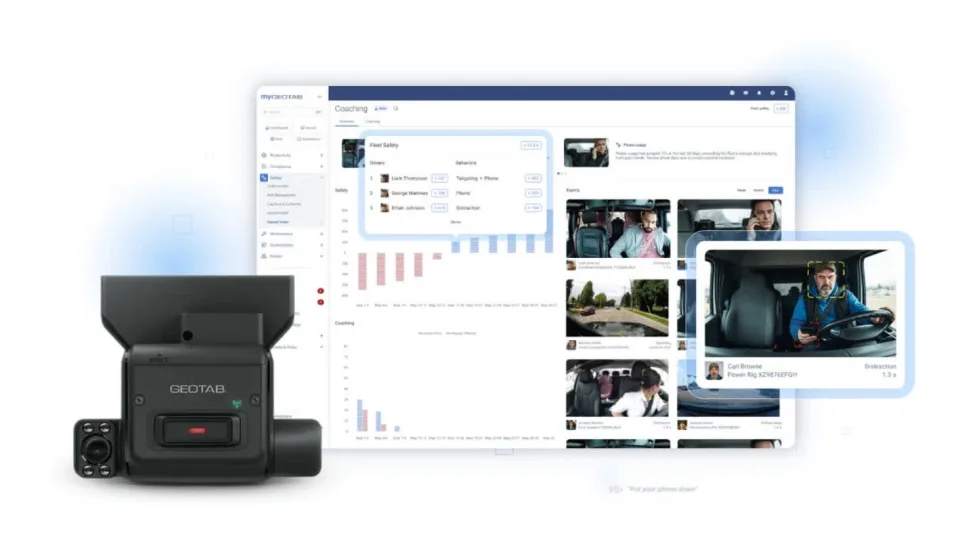
Geotab Expands Fleet Safety Tools With Video Coaching, Risk Insights
New safety and video capabilities aim to help fleet managers assess risk, support drivers, and take targeted action through video coaching, red-light violation detection, and more.
Read More →
How to Build a Better School Bus Driver Training Program
Is it time to strengthen your driver training? Here’s how to pick the right talent and improve recruitment, retention, and safety. This video is brought to you by IC Bus.
Read More →
Recent School Bus Accidents Leave 2 Dead, 2 Injured
Four school bus crashes in Florida, Illinois, and Georgia highlight risks in transportation lots, at bus stops, and during student loading and unloading.
Read More →
When Every Second Matters, Clarity Keeps Routes Moving
From routine delays to urgent incidents, strong communication practices help drivers, dispatchers, schools, and families respond with confidence.
Read More →
What Happens When a School Bus Catches Fire — and What Can Help
School bus fires are rare but can be devastating. Learn how advances in fire suppression and asset protection help fleets detect fires earlier, reduce damage, and improve safety.
Read More →
Geotab Launches Tool to Help Fleets Investigate Road Incidents
Geotab Investigations combines telematics data, video, documents, and other evidence to help fleets reconstruct incidents, resolve claims, and determine what happened.
Read More →
Texas Sixth Grader Wins 2026 National School Bus Safety Poster Contest
Sai Darshana Yekolu of Moseley Middle School in Prosper, Texas, was named the newest winner for her artwork, bringing the theme of “Safe Rides, Everyday Heroes” to life.
Read More →
Doing More With Less: How Transportation Directors Can Prioritize Safety Amid Budget Uncertainty
With diesel prices soaring and nearly one-third of transportation directors expecting budget cuts, maintaining student safety has never been more challenging. Download this guide to learn how leading districts are prioritizing risk, funding critical safety technology, and building stronger budget cases with data.
Read More →