




Technology on the horizon: polyurethane tires
In our changing world, technological advances seem to come at us every day. Some are introduced gradually into our lives, such as the various typ...
In our changing world, technological advances seem to come at us every day. Some are introduced gradually into our lives, such as the various types of alternative fuels, and some come unexpectedly.
One technological advance that grabbed my attention recently is the development of materials aimed at replacing the rubber tire we are all so familiar with.
Amerityre Corp. in Boulder City, Nev., has developed new compounds that, when blended, create a polyurethane tire that the company says runs cooler, lasts longer and costs no more than a standard rubber tire. It is also clean to manufacture and clean to dispose of, Amerityre says.
The prospect of a tire that could run for 100,000 miles or more, could run fl at for extended periods with no compound deterioration, and is environmentally friendly was more than enough to pique my interest.
Is it a contender?
I contacted Guy Walenga at Bridgestone Firestone, a longtime manufacturer of rubber tires, and asked for his thoughts on the development of the polyurethane tire. While he expressed skepticism that Amerityre’s technology is commercially viable at this point, he acknowledged that there are benefits to using polyurethane in tires: lighter weight, good resistance to wear, easy to manufacture in colors.
However, Walenga said that polyurethane tires would not measure up to current rubber pneumatic tires in terms of cornering, braking and traction performance.
Amerityre begs to differ, saying that its tires pass all performance testing with a “B” classification, which is only slightly less than perfect. The company also said that it recently passed the grueling government standards for tires, FMVSS 109 and FMVSS 139, the latter of which became effective in September 2007.
In actual road testing, a late model Chevrolet Corvette was outfitted first with standard rubber compound tires and then with polyurethane tires. The driver of the car noticed no difference in cornering, handling or performance, according to Amerityre.
Dave Martin of Amerityre said that the polyurethane tire is not affected by UV light. This means it would not experience the casing deterioration that the sun can cause in current rubber formulated tires. Additionally, oil does not penetrate polyurethane.
Keep it clean
The manufacturing process includes mixing compounds together much like you would mix together epoxy parts A and B to achieve the final cured product. Although there is much more involved in the polyurethane tire than that, the process is very clean. Less than 1 percent is wasted during the manufacturing process, all of which is 100-percent recyclable.
The tires are poured into a mold and then allowed to cure. I asked Martin how a tire can be poured into a mold without developing imperfections. He said that Amerityre uses a vacuum in the process, which removes any voids. Tires come out of the mold perfectly round and true, Martin said, requiring no machining to make them balanced.
It is also interesting to note that polyurethane tires could be manufactured in any color — even clear — and virtually any tread design could be built into them. However, Martin noted that the practicality of a colored tire would be slim unless it was a special order for a custom application, and this would increase the cost since one-time compounds would have to be used.
In the works
Amerityre’s current production is focused on automotive tires, but the company is in the development stages of a polyurethane retread for a rubber casing truck tire.
Gary Benninger, president and CEO of Amerityre, said that the retread is undergoing lab tests and should be ready for real-world tests within a few months. He said that he hopes this new development will be on the market within the next year.
After that, Benninger said, Amerityre’s efforts will shift toward a dedicated polyurethane truck tire. Then, the company will branch out into other modes of transportation.
For more information on Amerityre’s polyurethane technology, go to www.amerityre.com.
More Maintenance
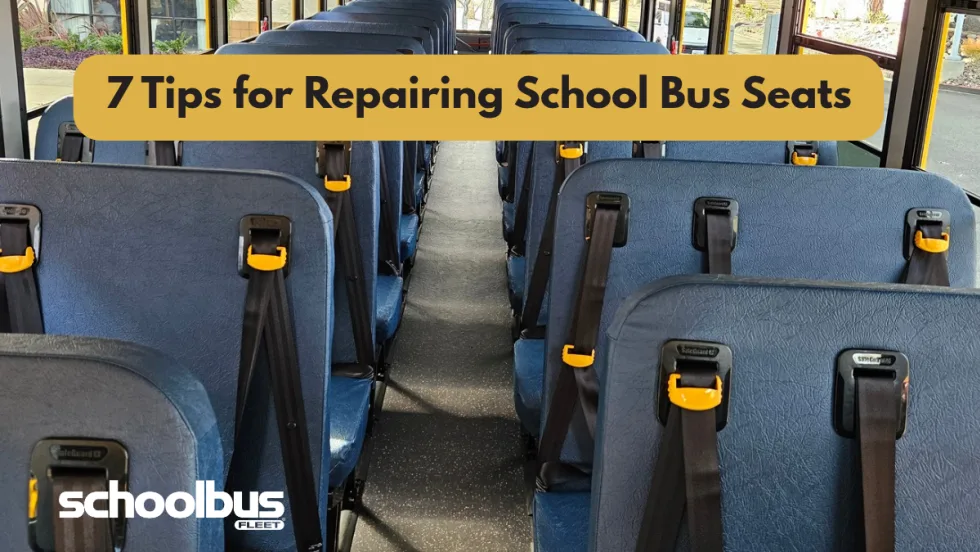
How to Make School Bus Seat Repairs Last: 7 Expert Tips
Tired of school bus seat repairs that peel or get picked apart? Here are some tips for stronger vinyl repairs that hold up to everyday use.
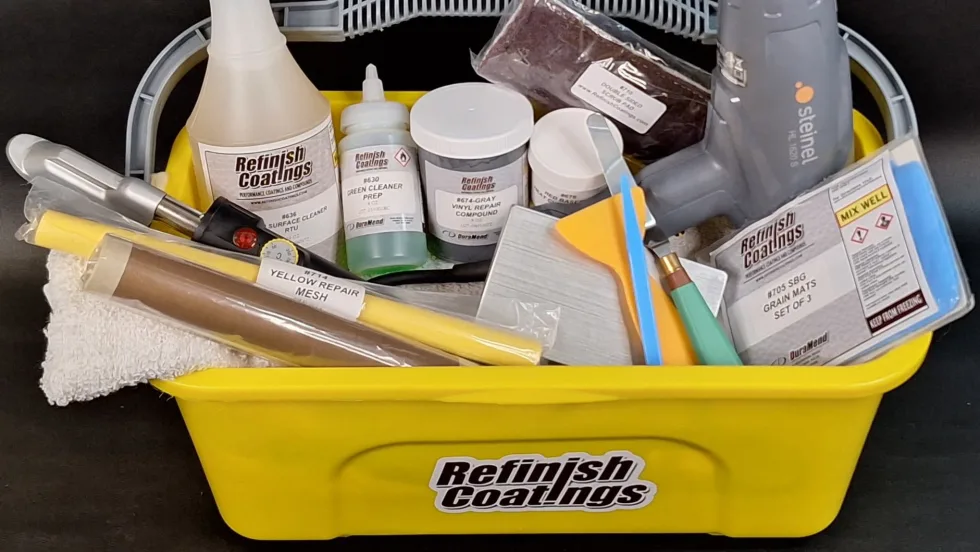
Refinish Coatings Launches School Bus Seat Repair Kit
A new all-in-one vinyl seat repair kit comes with color-matched compounds, tools, and supplies to fix tears, holes, and punctures that kids won't be able to pick.

Easy Ways to Reduce School Bus Emissions: Q&A with John Gonzales
Learn how preventive maintenance, driver training, reduced idling, smarter routing, and the right fuel choices can help districts reduce emissions — without investing in new buses.
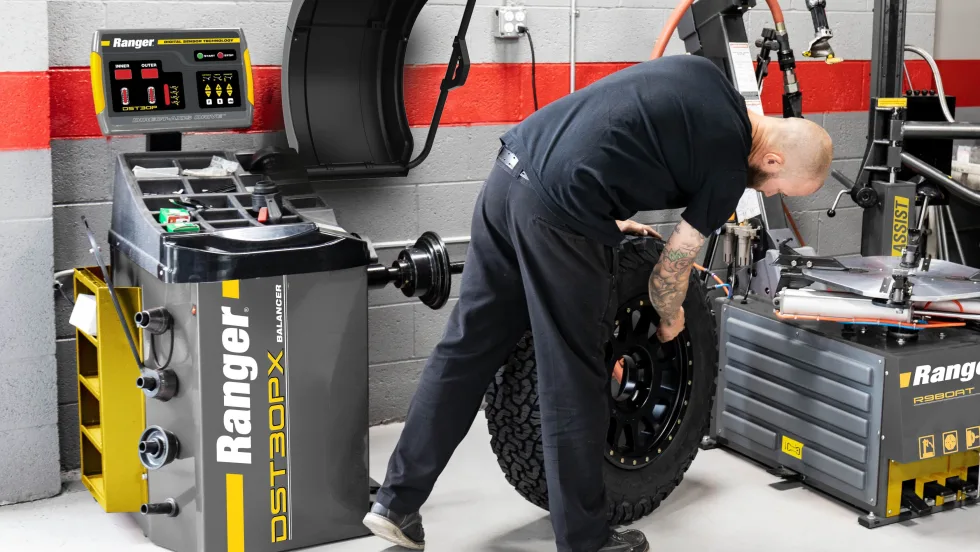
BendPak Launches Ranger DST30PX Wheel Balancer
BendPak's new wheel balancer handles tires up to 43 inches in diameter, with a reinforced design, precise weight placement, and faster service cycles.
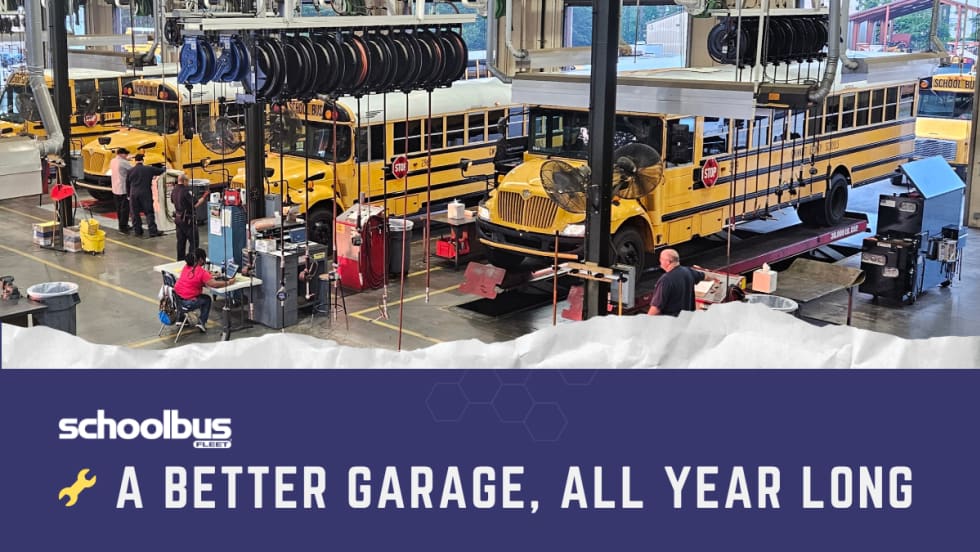
Tips for Ensuring School Bus Garages Are Safe and Warm Year-Round
Cold maintenance bays and rising heating costs? Learn how school bus garages can improve comfort with targeted heating, better airflow, and winter preparation.
ASE Highlights School Bus Technician Certification Requirements
ASE is encouraging school bus maintenance professionals to maintain their certifications, highlighting seven specialized tests and five-year renewal requirements.

International Adds E-Commerce Capabilities to Fleetrite.com
IC Bus customers can now browse, buy, and track shipments for more than 400,000 aftermarket parts online.
The Most Expensive Thing You Do Before Selling a School Bus: Wait
When should you sell an aging school bus? Learn how maintenance, mileage, corrosion, specifications, and timing can affect resale value long before the auction.
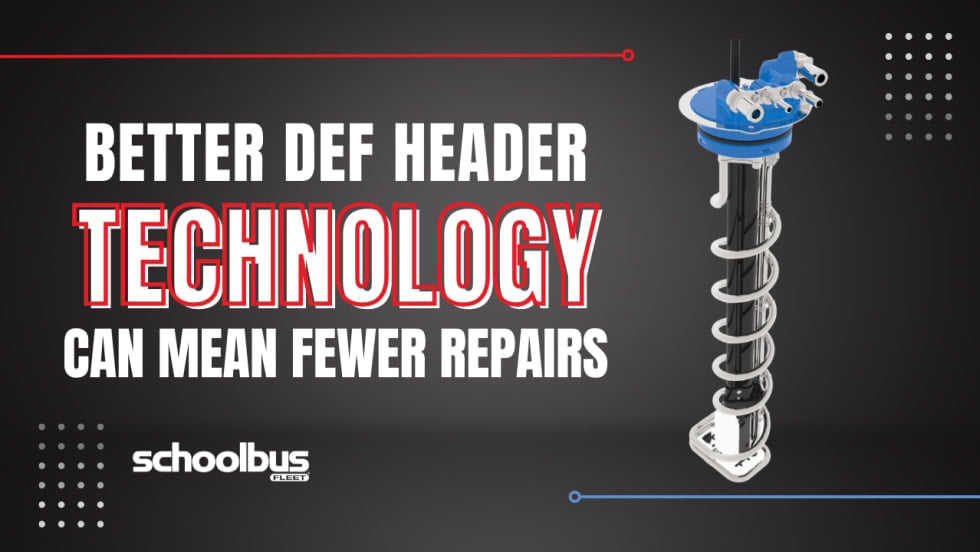
The Evolution of DEF Header Technology: What School Bus Operations Should Know at Replacement Time
See what school bus fleets should consider when replacing DEF headers to improve reliability, reduce repeat repairs, and control maintenance costs.
The Essential Guide to School Bus Maintenance and Student Safety
Your district's buses carry students to school every day. This guide shows how predictive maintenance powered by fleet data helps keep buses reliable, drivers accountable and students safer from the first bell to the last stop.