




Surveillance Footage Fills Need for Unbiased Evidence
As recent news shows, video surveillance systems on school buses are essential for getting a clear picture of events.

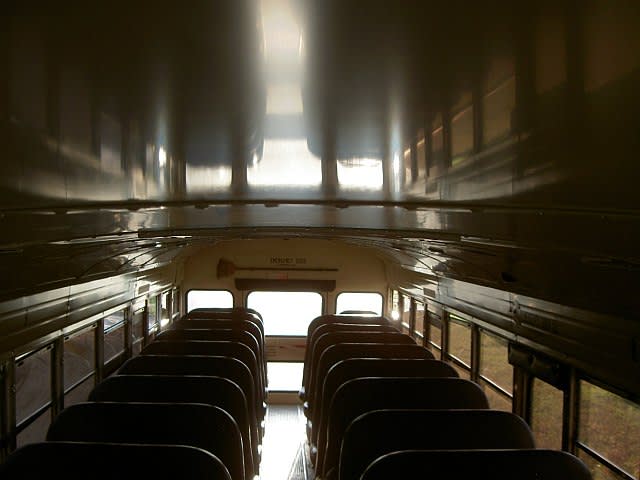
As recent news shows, video surveillance systems on school buses are essential for getting a clear picture of events. File photo courtesy John Horton
As recent news shows, video surveillance systems on school buses are essential for getting a clear picture of events. File photo courtesy John Horton
If a questionable episode takes place on one of your buses, will there be an impartial witness on board?
Who — or what — can you count on to provide an unbiased account of what happened? As recent news shows, video surveillance systems on school buses are essential for getting a clear picture of events.
On June 5 in Grants Pass, Oregon, the Josephine County Sheriff’s Office and paramedics responded to a school bus that was parked on a road, with the elementary student passengers having unloaded.
The Sheriff’s Office reported that some children alleged that the bus driver, a substitute, had made physical contact with them. An investigation began, and students were loaded back onto the bus, with a different driver completing the route.
As part of the investigation, the Sheriff’s Office and the Three Rivers School District reviewed video footage from the bus and conducted interviews. The next day, June 6, Sheriff Dave Daniel issued a press release that cleared the driver and cast blame on students.
“No evidence of criminal wrongdoing or physical contact was found,” the sheriff’s statement said. “In turn, evidence of juveniles acting inappropriately which affected their safety caused the driver to stop the bus within district policy.”
David Valenzuela, superintendent of the Three Rivers School District, told NBC5 that the incident “was very specific to the behavior of a couple students that started the whole situation.” Valenzuela did not tell the news source exactly what those students were doing, but, based on the video footage (my emphasis added), he described their behavior as “fairly extreme and of great concern.”
The incident drew a great deal of attention online. The Josephine County Sheriff’s Office said that “inaccurate accounts … flooded social media,” and the sheriff’s press release included a note of caution to the public to carefully screen social media.
One reader said that she “would not drive a bus that was not equipped with a camera” because of false accusations against drivers.
Undoubtedly, the surveillance system on the school bus was crucial to understanding what happened — and to ultimately clearing the driver of the accusations brought by the students.
When our news story about the Grants Pass incident appeared online, one SBF reader who has more than 30 years of experience in school transportation commented that she “would not drive a bus that was not equipped with a camera” because of what she sees as a trend of students and parents making false accusations against drivers.
This reader wrote in her comment that all of the school buses in her district are equipped with cameras, and the footage is “used extensively to observe reported activities, which in most cases have exonerated our bus driver[s].”
On the other hand, in some cases a bus driver is found to be in the wrong.
“We have also observed adverse behavior by a few of our drivers and have lost some drivers due to their inappropriate actions evidenced by the bus video,” the reader wrote.
The importance of surveillance came up in our contractor roundtable in the July issue. Julie Vendetti-Lomberto of Vendetti Motors in Massachusetts told of how video footage helped exonerate one of her drivers after a student rode his bike in front of the bus and got hit.
“I’m so happy that we have cameras in the majority of our vehicles for situations like this, because they simply protect the driver,” Vendetti-Lomberto said.
Mike Forbord of Schmitty & Sons in Minnesota concurred with her viewpoint.
“Ninety-nine-point-nine percent of the time, the footage is in favor of the driver and helps us easily sort out what happened, and we can clearly make a determination,” Forbord said.
The latest digital video surveillance systems can cover more of the bus, in higher definition, and they offer new tools that make it easier to retrieve footage. The incidents noted above, and many others, make the case for cameras as essential equipment for school buses.
To some extent, the presence of surveillance systems can deter bad behavior on the bus. But when someone crosses the line — a student, a driver, or even a parent — cameras can fill a critical role as unbiased observers.
More Safety

How to Build a Better School Bus Driver Training Program
Is it time to strengthen your driver training? Here’s how to pick the right talent and improve recruitment, retention, and safety. This video is brought to you by IC Bus.
Read More →
Recent School Bus Accidents Leave 2 Dead, 2 Injured
Four school bus crashes in Florida, Illinois, and Georgia highlight risks in transportation lots, at bus stops, and during student loading and unloading.
Read More →
When Every Second Matters, Clarity Keeps Routes Moving
From routine delays to urgent incidents, strong communication practices help drivers, dispatchers, schools, and families respond with confidence.
Read More →

What Happens When a School Bus Catches Fire — and What Can Help
School bus fires are rare but can be devastating. Learn how advances in fire suppression and asset protection help fleets detect fires earlier, reduce damage, and improve safety.
Read More →
Geotab Launches Tool to Help Fleets Investigate Road Incidents
Geotab Investigations combines telematics data, video, documents, and other evidence to help fleets reconstruct incidents, resolve claims, and determine what happened.
Read More →
Texas Sixth Grader Wins 2026 National School Bus Safety Poster Contest
Sai Darshana Yekolu of Moseley Middle School in Prosper, Texas, was named the newest winner for her artwork, bringing the theme of “Safe Rides, Everyday Heroes” to life.
Read More →
Doing More With Less: How Transportation Directors Can Prioritize Safety Amid Budget Uncertainty
With diesel prices soaring and nearly one-third of transportation directors expecting budget cuts, maintaining student safety has never been more challenging. Download this guide to learn how leading districts are prioritizing risk, funding critical safety technology, and building stronger budget cases with data.
Read More →
Walton County Schools Adds Gatekeeper Stop-Arm Enforcement System
The Florida district will deploy Gatekeeper’s updated Student Protector technology, which now incorporates AI to improve video evidence.
Read More →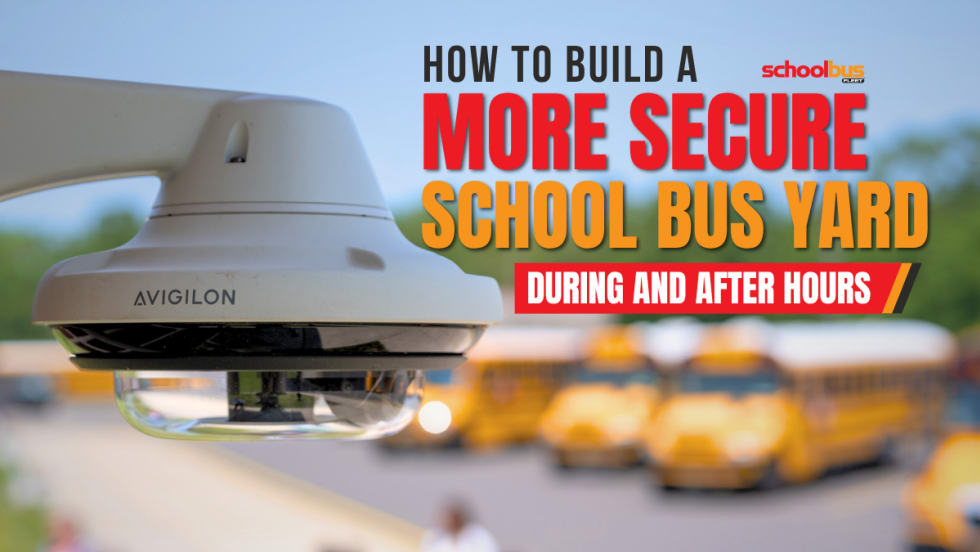
How To Build a More Secure School Bus Yard During and After Hours
As thefts and overnight security threats continue, school transportation leaders are combining stronger operational practices with AI-enabled surveillance to better protect buses, facilities, and staff.
Read More →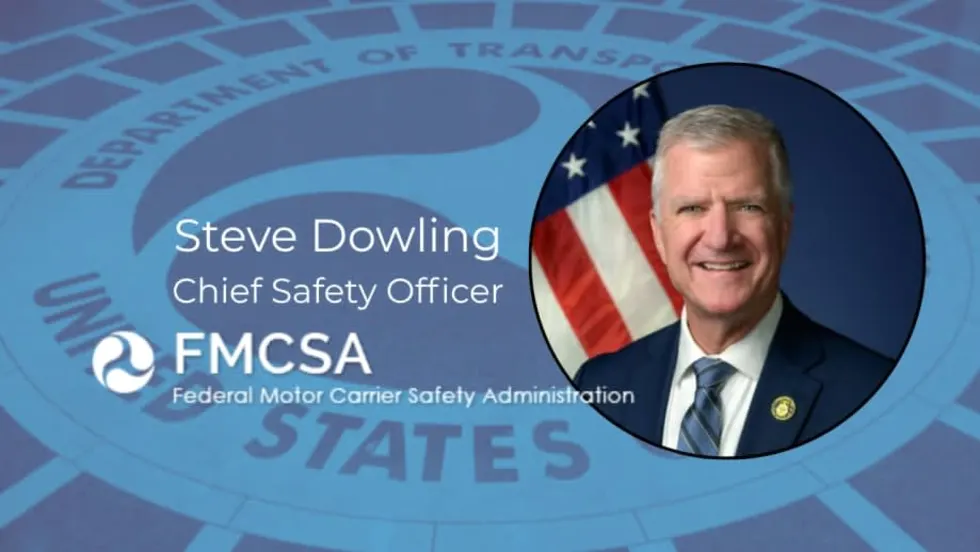
FMCSA Names New Chief Safety Officer: What School Bus Operators Should Know
Steve Dowling is set to lead the federal agency's efforts to advance commercial motor vehicle safety and reduce crashes, fatalities, and injuries on the nation's roadways.
Read More →