




Shop pop quiz: commonly missed issues
The following questions cover commonly missed issues in school bus maintenance. For the budget-minded director or fleet manager, making sure that technicians get these types of items right the first time is important in keeping costs down.

David Anderson is director of transportation and fleet service at Adams 12 Five Star Schools in Thornton, Colo. Since he started his pupil transportation career in 1981, he has also served in the positions of mechanic, shop foreman and fleet manager.
The following questions cover commonly missed issues in school bus maintenance. For the budget-minded director or fleet manager, making sure that technicians get these types of items right the first time is important in keeping costs down.
A commonly overlooked problem that can cause excessive tire wear and cost to your budget.
1. The driver of a school bus that has just had its front springs and hangers replaced says that it is hard to keep the steering wheel in a straight-ahead position. Technician A says the cause could be that the caster shims were installed backward. Technician B says the problem could be that the wrong spring hangers were installed. Who is right?
A. A only
B. B only
C. Both A and B
D. Neither A nor B
2. The driver of a school bus says that it is too hard to steer and that the steering wheel return is too fast. Which of these is the most likely cause?
A. Too much negative caster
B. Too much positive caster
C. Too much negative camber
D. Too much positive camber
A common power problem with diesel engines.
3. The driver of a school bus with a diesel engine complains of a lack of power. What should the technician check first?
A. The injection nozzle pressure
B. The injection pump timing
C. The fuel filter pressure on the
outlet side
D. The injection pump calibration
4. A technician is road-testing a school bus with a diesel engine. He notices that it blows black smoke when under heavy load. Which is the least likely problem?
A. Late injector pump timing
B. A restricted air intake
C. Worn injectors
D. A clogged fuel filter
This is probably the most important electrical system lesson you can learn.
5. A school bus has suffered premature alternator failure. The battery and vehicle wiring show no problems, but the driver has several times left the lights on overnight. Each time, the bus was jump-started and sent back out. Technician A says that the alternator was probably defective and that replacing it should correct the problem. Technician B says that the vehicle’s battery should have been slow-charged before sending the bus back out. Who is correct?
A. A only
B. B only
C. Both A and B
D. Neither A nor B
Answers
1. A is the answer. The caster is critically important in keeping tires at the correct angle.
2. B. Caster is the most critical in alignment specifications, because it affects the steering wheel’s ability to return to center.
3. C. Because filters are easily clogged, check the outlet pressure first.
4. D. A clogged fuel filter will reduce fuel flow and power.
5. B. An alternator is designed to handle high accessory loads and only light charging loads, especially after jump-starting — the alternator could very well be overloaded and overheated. Slow-charging the new style batteries for eight hours minimum when they are found dead is essential for restoring the electrical system back to normal. Simply jump-starting a bus and sending it out is a recipe for a road call
More Maintenance
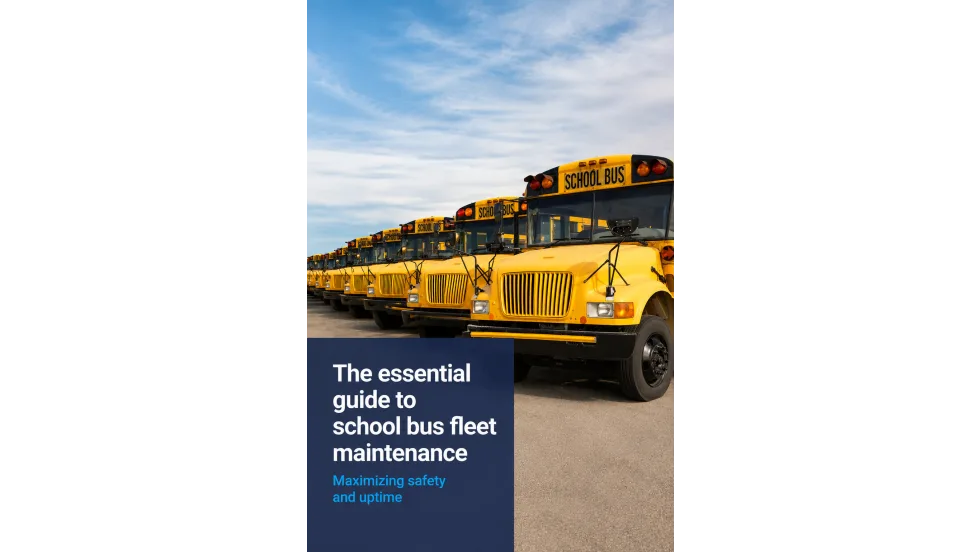
The essential guide to school bus maintenance and student safety
Reactive maintenance puts students at risk of breakdowns, delays and roadside emergencies. This guide gives transportation directors a data-driven framework to predict failures, extend bus lifespans and improve fleet reliability across every route.
Read More →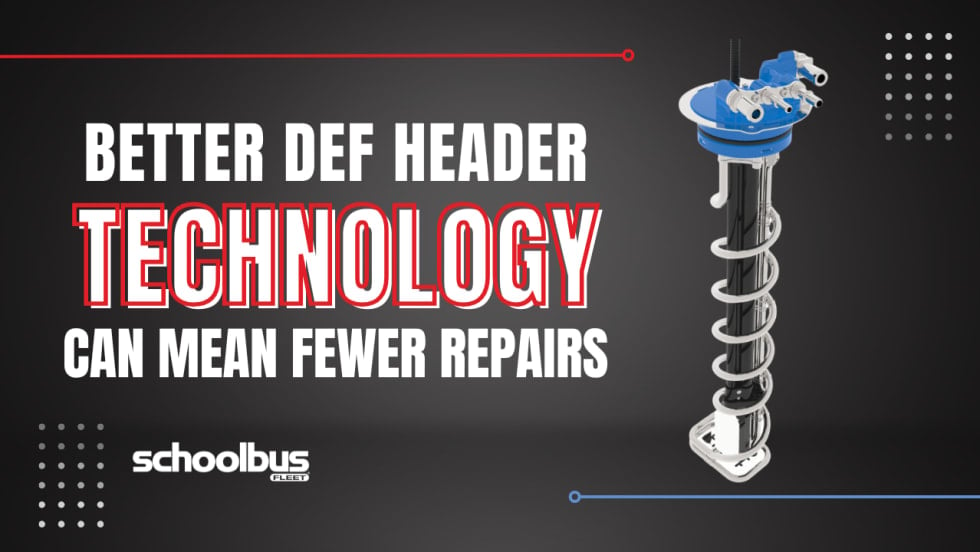
The Evolution of DEF Header Technology: What School Bus Operations Should Know at Replacement Time
See what school bus fleets should consider when replacing DEF headers to improve reliability, reduce repeat repairs, and control maintenance costs.
Read More →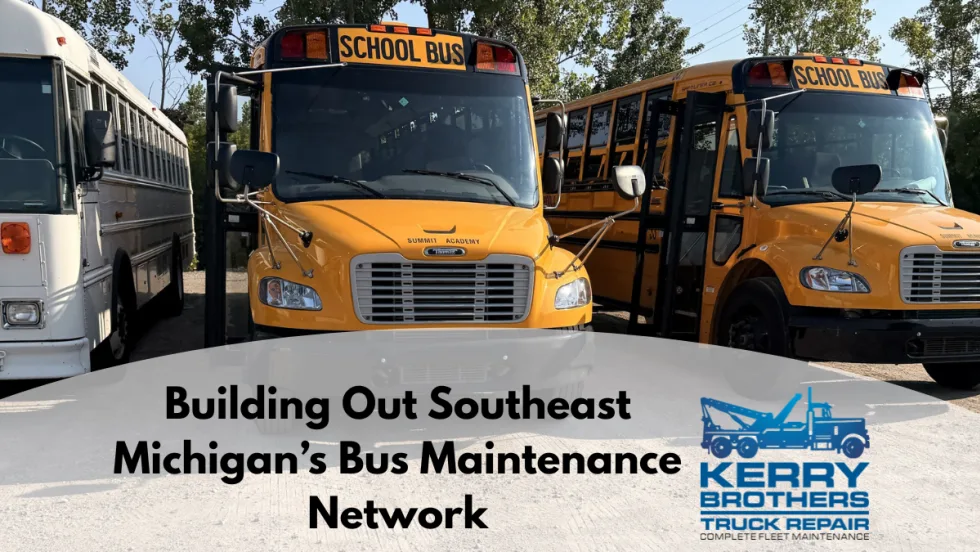
Kerry Brothers Grows Michigan School Bus Repair Network
The acquisition of Downriver Truck and Bus expands Kerry Brothers’ school bus maintenance footprint across southeast Michigan, adding repair capacity, diagnostic resources, and state inspection support.
Read More →
Noregon Introduces CAN Bus Diagnostic Tool, Expands JPRO Features
CAN Mentor and the latest JPRO update aim to simplify vehicle network diagnostics and improve repair efficiency for technicians of all experience levels.
Read More →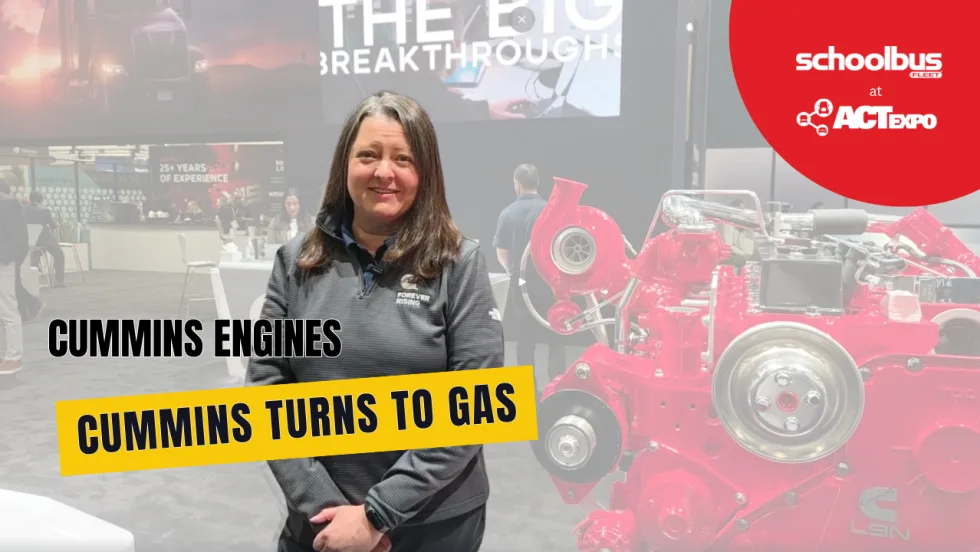
Cummins on Smarter, Simpler Engine Innovation
Cummins discusses its first-ever gasoline engine for school buses, EPA 2027, and why bus fleets still want durable, simpler internal combustion options.
Read More →
Report: 72% of Diesel School Buses Now Use Advanced Low-Emission Engines
New data shows advanced low-emission diesel technology continues expanding across school bus fleets, even as electric bus adoption gains momentum.
Read More →
Vampire Tools' CAIMAN 7.5-Inch Multi-Purpose Screw Extractor Long-Nose Pliers with Crimper
Vampire Tools introduced the VAMPLIERS Caiman 7.5-inch multi-purpose pliers, combining screw extraction, cutting, crimping, and gripping functions into a single tool designed for fleet maintenance professionals.
Read More →
How Advanced Diagnostics Helps Bus Fleets Stay Ahead of Repairs
Chat with Noregon’s Kevin Smallhorn at ACT Expo about bus diagnostic tools, telematics integration, CNG maintenance support, and strategies to help reduce downtime and improve uptime.
Read More →
How School Bus Fleets are Getting Ahead of Breakdowns
Don’t let bus downtime wear you down. Here’s how bus operators are shifting from manual processes to AI-powered, data-driven maintenance systems for improved reliability and safety.
Read More →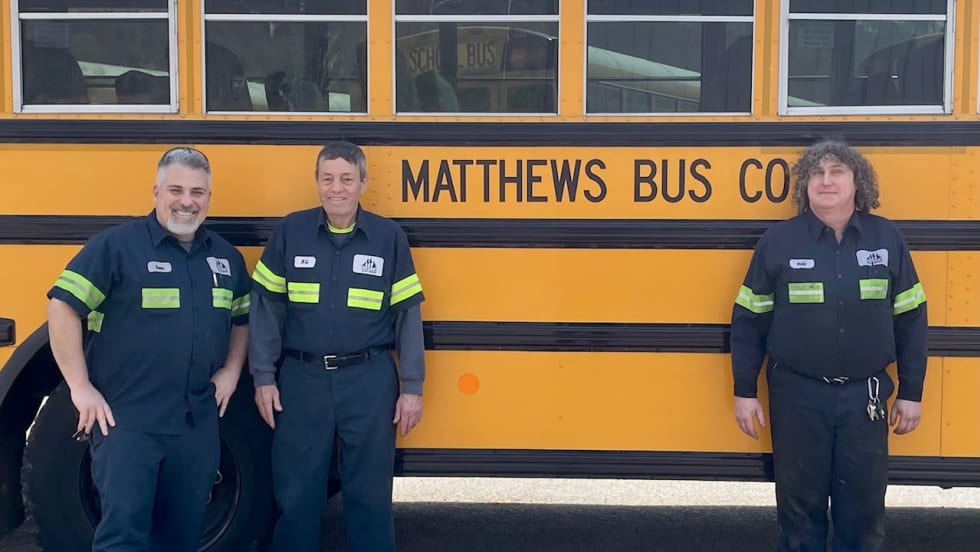
Pennsylvania School Bus Maintenance Team Praised for Dedication to Safety
Matthews Bus Company’s West Jefferson received a letter of commendation from the Pennsylvania State Police for their fleet inspections.
Read More →