




Safety training has bottom-line impact
No piece of equipment can replace a good driver and attendant training program.
In the August 1998 issue, I discussed the availability of some new equipment that could enhance school bus safety, and pointed out that no piece of equipment could replace a good driver and attendant training program. In this issue, I'd like to elaborate on safety training and once again remind everyone that safety also has an impact on your fleet's budget. As Senior Editor Dale MacDiarmid points out in his article "Limit Your Liability -- Before Accidents Happen," it might sound crass, but a fleet's safety record is what insurance companies call "loss experience" -- and they set premiums high or low according to that experience.
Study accident reports
As Dale and others have pointed out so many times before, the first step toward improving both your safety record and your bottom line on insurance costs is to scrutinize — I mean really look — at your accident reports, however minor. Look for patterns in the paperwork: Drivers backing into stationary objects might mean that their mirrors haven't been adjusted properly or that they need training in depth perception. Kids bumping their head or knees might mean that drivers aren't waiting long enough before pulling out from a stop. And these are only the more obvious trends that might surface if you take a little more time to play detective. On the other hand, be sure to focus on those patterns that are related to your biggest or most-frequently occurring problems. If you think that there is no thread of behavior connecting a sporadic history of accidents, make a quick check with your insurance agent or carrier to get a second opinion, then move on! Once you've got an idea of the patterns emerging, then you can design training and procedures to stop the mishaps from occurring. In addition, as Jack Burkert of Lancer Insurance points out, there is more to it than a good manual and some pep talk: managers have to mean what is said and written down. In other words, managers and trainers should have a set of rewards and disciplinary penalties in order to enforce the procedures. Otherwise, they'll be perceived as hollow, or the "latest management gimmick."
Rewards and penalties needed
Notice I also said rewards and penalties. Too often, Burkert says, policies are enforced by one or the other. As a result, they are either perceived as too harsh or wimpy. Rewards for good driving and penalties for bad habits are needed to strike the ri right policy balance. Dale also points out that more than driving behavior should be scrutinized, such as how drivers and attendants interact with kids they transport, and how innocent things can be construed as abuse or discrimination. To those important suggestions I would add that managers should look at how others fit into the safety equation. This includes a good preventive maintenance program, which can help prevent accidents. Yet it also includes a public information campaign to both parents and their kids as well as the general driving public about safe habits around school buses. You also need to remind everyone of laws governing stopping behind and, where applicable, in the opposite direction of stopped yellow buses with flashing lights. There have been far too many reports around the country of people ignoring these vital rules of the road. The start of the school year is always a good time to remind people of safety. More important than stepping up safety efforts, however, is keeping them up throughout the school year. The best safety program never stops.
More Management

EverDriven Launches Route Consolidation Calculator to Estimate Diesel Savings
As diesel prices hit record highs, the largest alternative transportation provider says a 10% route consolidation could save a 120-route district more than $78,000 a year in fuel alone.
Read More →
Zum Secures Continued Financing Support for School Bus Expansion
Generate Private Credit has financed approximately $75 million in school bus deployments across three states, supporting more than 500 buses as Zum expands across the county.
Read More →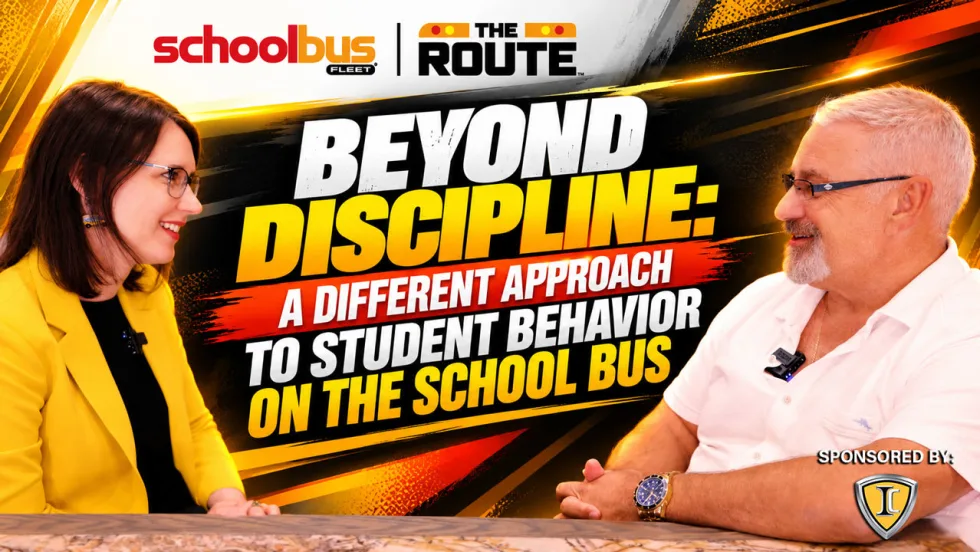
Beyond Discipline: A Different Approach to Student Behavior on the Bus
After implementing a dean of students program in Oregon, North Clackamas is seeing positive improvements. Here’s how it worked. The Route is brought to you by IC Bus.
Read More →
A Dean of Transportation's Different Approach to Student Behavior on the School Bus
After implementing a dean of students program in Oregon, North Clackamas is seeing positive improvements on the bus. Here’s how it worked.
Read More →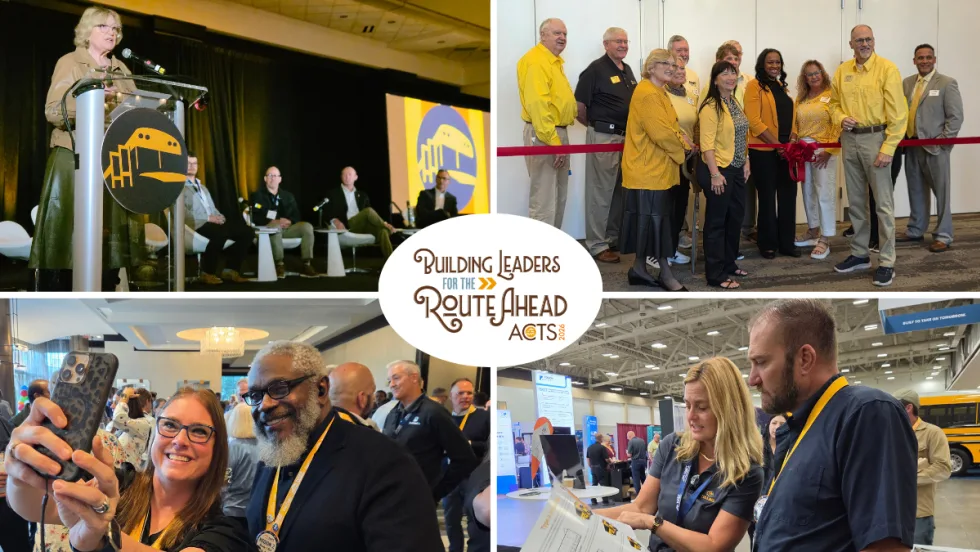
Inside NAPT ACTS 2026: Highlights from Louisville
From federal updates and student behavior strategies to new school bus technology and industry awards, see highlights from NAPT ACTS 2026 in Louisville.
Read More →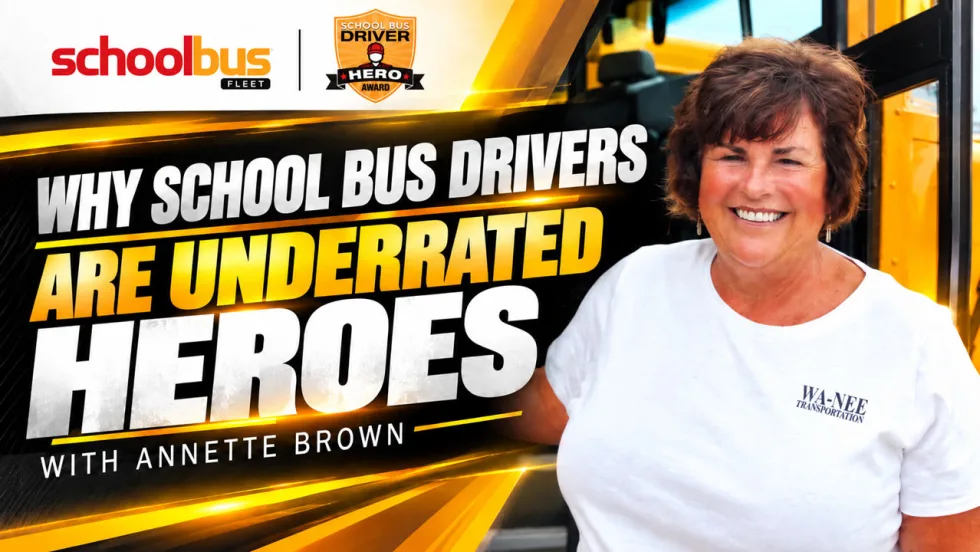
Meet the 2025 School Bus Driver Hero Winner: Annette Brown
We caught up with Wa-Nee Community Schools' Annette Brown on site at SBFX, where she was named the 2026 School Bus Driver Hero Award winner. Hear about her reaction, what she loves most about being a school bus driver, and more!
Read More →
Predictability Is Like Ketchup (According to 6-Year-Olds)
To students, a different school bus can feel like a full-blown crisis. One driver reflects on why familiar routines, showing up on time, and being reliably boring matter more than we think.
Read More →
Samsara Launches Free Driver Rewards Program
The new Driver Perks program gives eligible professional drivers access to discounts and offers without adding a cost for participating fleets.
Read More →
How Tax-Exempt Municipal Leases Can Help Finance School Buses
Let’s explore school bus financing options, including municipal leases, vendor payable accounts, and balloon payments, and how they can help stretch fleet budgets.
Read More →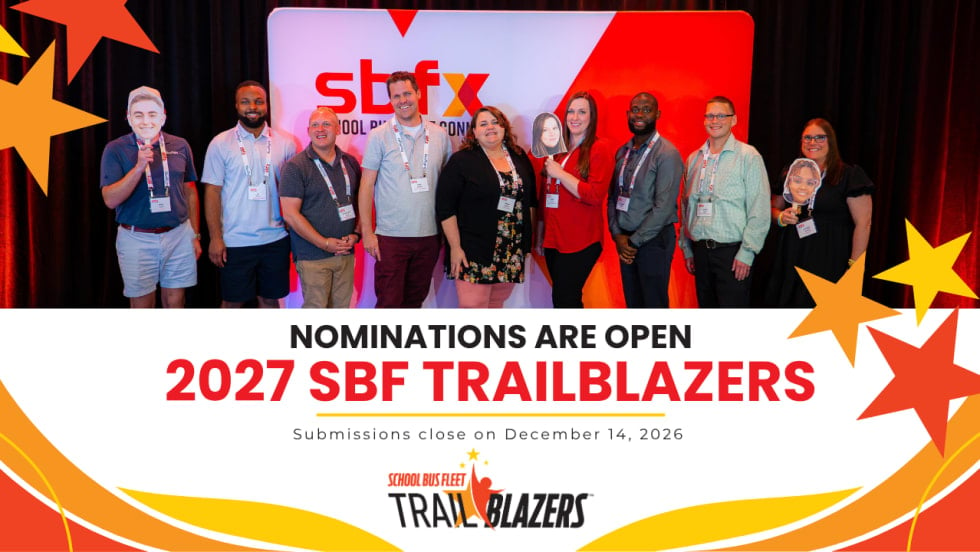
Nominate Rising School Transportation Pros Under 40!
We’re searching for the next generation of leaders making an impact across the K-12 student transportation industry to recognize as SBF’s 2027 Trailblazers. Nominations are open now!
Read More →