


Riding a New Look Into the Future
In an interview with SCHOOL BUS FLEET last year, John O’Leary, president and CEO of Thomas Built Buses, said he wanted to differentiate his com...

In an interview with SCHOOL BUS FLEET last year, John O’Leary, president and CEO of Thomas Built Buses, said he wanted to differentiate his company’s product from the rest of the competition.
Anyone who attended the National Association for Pupil Transportation’s trade show in Salt Lake City in early November can attest to his success on that front.
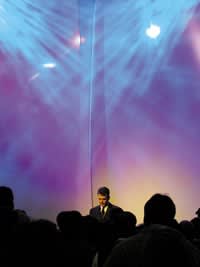
At the show, O’Leary unveiled the new Saf-T-Liner C2 conventional school bus amid hoopla that included a laser light show and dramatic background music.
The response was as expected, surprise and, in some cases, shock. With its extraordinary styling, the C2 looks nothing like Thomas’ existing conventional bus model. A closer inspection reveals other differences: a body assembly system that uses adhesive bonding for increased strength and improved joint seal, an integrated multiplexing network, a recessed eight-light warning system and a low sloping hood combined with a 2,700-square-inch sloping windshield.
Key advances touted
After introducing the C2 to the hundreds of attendees of the trade show, O’Leary sat down with SCHOOL BUS FLEET Editor Steve Hirano to discuss the C2 and the company’s new manufacturing facility in High Point, N.C.
The C2 will draw a lot of attention from the industry merely because of its appearance, but O’Leary says form is secondary to function. “It’s a lot more than the looks,” he says. “It’s the 55-degree wheel cut; it’s the improved visibility; it’s the durability. We didn’t invest all of that money just to build a nice-looking bus; it’s about the functionality.”
To that end, the C2 boasts a number of distinctive features, including the use of a high-grade adhesive and self-piercing rivets to assemble the body. This process reduces the number of fasteners and should help to reduce leakage and strengthen joints. According to Thomas officials, sample joints demonstrated nearly twice the strength of riveted joints in standardized FMVSS 221 compliance tests.
O’Leary says the improvements in the C2 are the result of numerous sources of input, including school transportation directors, technicians and drivers. “We held focus groups and developed a group of nearly 1,000 industry professionals to survey,” he says, adding that their insights were integral to the final design of the product.
Benefits of multiplexing
The C2 features a multiplexed wiring network that reduces the number of wires and relays, eliminates connectors and makes it easy to add switches and accessories without reprogramming. The multiplexing system also allows for simplified diagnostics.
The flush-mounted eight-way warning light system is designed to curtail the damage often caused by tree limbs and other low-hanging objects. Light bulbs can be changed from inside the bus through access panels, which helps to reduce technician time and effort.
The driver’s area has also been redesigned. An automotive-style instrument panel made with non-reflective materials cuts down on glare and reduces eye strain. Meanwhile, improvements in pedal positioning and legroom help to reduce fatigue. The heating and air-conditioning system also have been improved to enhance driver and passenger comfort.
Storage for drivers has been upgraded. An overhead storage area is located above the windshield header and to the driver’s left beneath the switch console. An additional storage option is available in the center console.
The C2 will be available with either the Mercedes-Benz MBE 900 series engine or the Caterpillar C7 engine. The Mercedes-Benz engine is rated up to 250 horsepower.
Plant plays key role
Much of the success of the C2 will be linked to the new $39.7-million facility in High Point that’s nearing completion.
The 275,000-square-foot plant is being touted as the most modern commercial vehicle manufacturing facility in the DaimlerChrysler family.
Engineers from DaimlerChrysler in Germany helped with the design of the plant. “Fourteen experts in various specialties such as paint processes and conveyor systems provided input,” O’Leary says. “It allowed us to take best practices from DaimlerChrysler worldwide. It was just a matter of us listening to them and them listening to us on what our requirements were.”
O’Leary expects to begin regular production of the C2 next spring. Although the plant will be capable of producing 22 units per shift, for a two-shift capacity of 44 per day, he says the plan is to build only 2,500 units in 2004. “We’re not going to rush this into the marketplace, we’re going to do it right,” he says.
The new plant is expected to generate approximately 178 new jobs in 2004.
Challenges still ahead
The unveiling of the C2 to the industry in November is just the beginning of the next challenge for Thomas: Building a large and loyal following for a product that meets expectations and delivers on its potential.
“It’s been tremendously exciting getting to this stage,” says O’Leary, “but we’ve got a big task ahead. The work is really just beginning.”
O’Leary sees considerable pressure in the marketplace on pricing. “It’s pretty intense,” he says. “As a result, you have to be the low-cost operator to succeed.”
Despite the host of innovations built into the Saf-T-Liner C2, O’Leary says the new model will cost only about $1,000 more than its predecessor. “There was a big sigh of relief when I told the dealers that the premium was only going to be $1,000,” he says with a laugh.
As the manufacture of the C2 ramps up next spring, construction of the existing conventional bus on the Freightliner FS-65 chassis will begin to slow down. By the end of the 2005, Thomas will likely no longer offer the current model, O’Leary says.
More Management
Summit School Services to Complete Fleetwide Samsara Technology Rollout
The company said outfitting its entire fleet with AI-powered safety and fleet management technology will strengthen student safety and operational efficiency across its local brands.
Read More →
Why the School Bus May Be America's Most Overlooked Icon
Every day, millions of students climb aboard. But few realize the yellow school bus has helped transform education, connect communities, and come to symbolize civic responsibility.
Read More →
Why More Drivers Won’t Fix the Shortage
Hiring isn’t enough. Learn how leading fleets are solving driver shortages through smarter retention, training, and culture strategies.
Read More →

SBFX Keynote Announced: Ann Vote to Share Tips on Leadership and Team Culture
Unveiling the full agenda for SBFX 2026 in Scottsdale this September: Here's who will be headlining the event throughout our two days together, and what to expect.
Read More →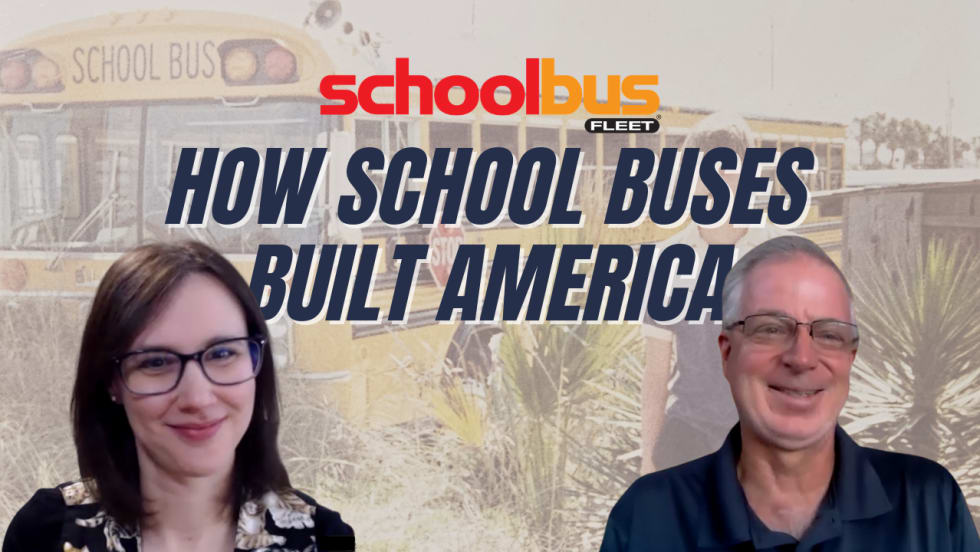
The School Bus as an American Icon: Exploring the Past, Present, and Future of the Yellow Bus
As America approaches its 250th anniversary, Blue Bird's Brad Beauchamp explores the history of the yellow school bus, its impact on education, and where student transportation is headed next.
Read More →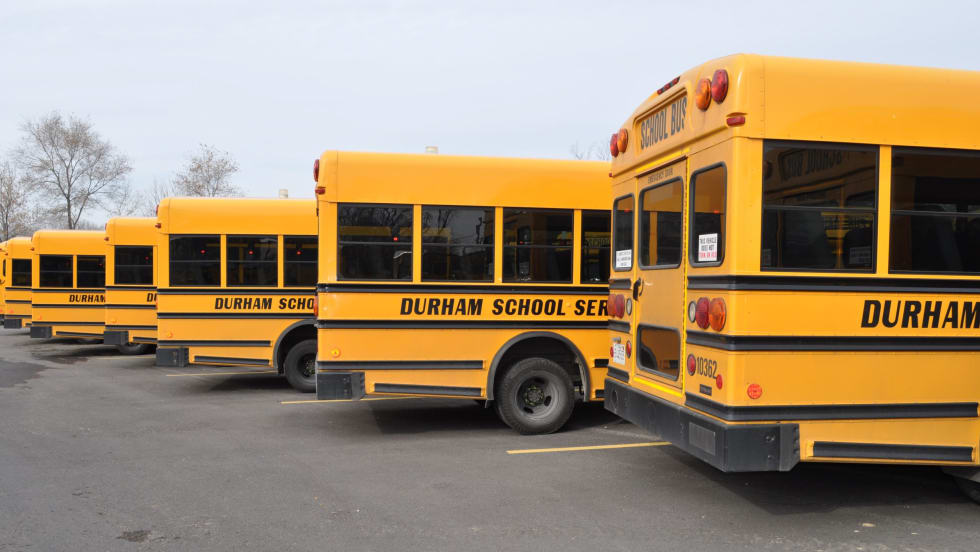
Durham School Services Adds New District Contracts Across Five States
The latest contract awards and renewals will bring the company's transportation services to more students while extending several long-standing district relationships.
Read More →
6 School Districts Named Transfinder's 2026 Top Transportation Teams
The software company has named six school districts across four states to its list for the fourth year, with one 'three-peat' winner. Find out which teams took home top honors!
Read More →
Innovation Was the Answer: Five Lessons Learned in School Transportation from 2025–26
Transportation leaders are embracing technology, transparency, and operational flexibility to meet growing demands with limited resources.
Read More →
AI Tools Roundup: New Fleet Tools Aim to Turn Data Into Faster Decisions
The latest AI-powered platforms could help student transportation teams analyze fleet performance, manage maintenance, and uncover operational insights using natural-language queries.
Read More →
EverDriven Integrates Pathwise's EZRouting into Routing Services
The new partnership combines trusted software with industry expertise to help district transportation teams streamline general education routing, improve efficiency, and lower operating costs.
Read More →