




Learn even more about Geotab's take on student safety in this webinar!Sign up to watch the recording now.
Protecting Our Most Precious Cargo: How Telematics is Powering a Safer Ride to School
Behind every safe school bus ride is a blend of human care and smart technology — a partnership that's redefining student transportation from the curb to the classroom.
by Craig Berndt, Geotab
October 24, 2025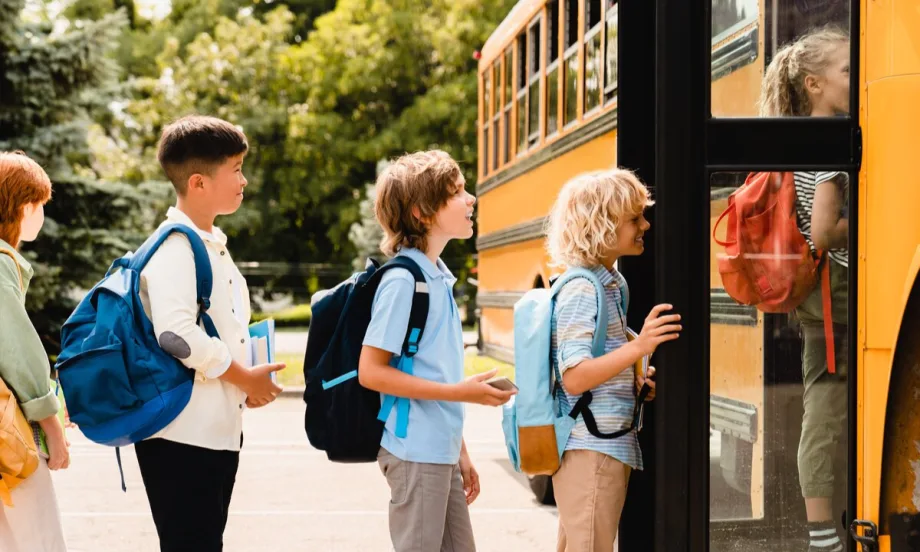
With real-time data and integrated systems, districts can now monitor bus performance, optimize routes, and enhance safety for every student on the road.
Photo: Geotab
4 min to read
Each October, National School Bus Safety Week reminds us that the school bus isn't just a vehicle; it's a daily symbol of care, trust, and connection. It's the first part of a child's school day and the last step on their journey home.
This week gives us a chance to celebrate the drivers and staff who keep that journey safe, and to discover the innovative, data-driven technology that's shaping the future of student transportation.
As someone who has spent 15 years in telematics, and the last three in the school transportation industry, I've seen firsthand how technology can elevate what has always been a deeply human mission: getting every child to school safely, on time, and with complete peace of mind for their families.
A Smarter, Safer Journey for Every Student
School buses have long been recognized as one of the safest ways for children to travel. But today, we have the opportunity to make that journey even safer, more efficient, and connected.
At the heart of this transformation is telematics, a data-powered technology that helps school officials understand how buses are performing on the road. By processing information on vehicle location, speed, and driving behavior, telematics gives school bus fleets real-time insights to support safety and efficiency.
When this technology works hand in hand with existing school systems, such as communication apps, routing platforms, and student ridership solutions from companies like Treker and Tyler Technologies, school districts can move from reacting to issues to preventing them altogether.
For example, when a dispatcher can instantly access and share a bus's real-time location data, they can quickly respond to delays, reroute vehicles if necessary, and keep parents informed. This integrated approach puts students at the center of every safety decision.
Empowering Families as Partners in Safety
This data ecosystem isn't just for administrators; it's a tool that empowers parents. Parents have always been powerful advocates for their children's well-being, and today, that advocacy includes being informed about the tools that help keep students safe.
To take an active role in shaping a safer, smarter transportation future, families should know what questions to ask their district. Simple, yet powerful questions include: "Does our district use smart, real-time data to monitor safety and optimize routes?" or "Are the transportation systems connected so that parents receive real-time bus updates?"
When these technology systems work together, they deliver a new level of transparency, accountability, and confidence. Consider how this connected approach supports your family:
- Real-time visibility for parents: When high-quality telematics data feeds directly into ridership apps, families can see exactly when a bus will arrive. This integration helps parents plan their day and ensures children are met safely at their stop, bringing peace of mind and better communication between home and school.
- Confidence that every child is accounted for: Integrated data also helps drivers confirm that all students have exited the bus at the end of each route. What once relied on manual checks can now be verified digitally, turning a routine task into a proactive safeguard.
- Route optimization that supports student well-being: Advanced analytics can help shorten ride times by optimizing routes, even factoring in details like IEP requirements, door-side pick-ups, and the student's walk to their bus stop. For students, that means less time commuting and more energy for learning. For districts, it means improved efficiency, lower fuel costs, and reduced emissions, all while supporting better outcomes for children.
Technology That Connects, Not Complicates
K–12 transportation relies on many trusted tools, from routing systems to student ridership solutions, but when these systems don't communicate with each other, important information can get lost along the way.
A connected, data-powered approach helps ensure everyone, from drivers to dispatchers to parents, has the information they need when they need it. For families, that means clearer communication, fewer surprises, and confidence that their child's journey to and from school is as safe and efficient as possible.
As we celebrate National School Bus Safety Week, we can feel confident knowing that technology is strengthening the human care that defines every school bus journey.
By connecting data, people, and systems, we can ensure every child's trip to and from school is supported by innovation, transparency, and trust, because protecting our most precious cargo will always be a shared responsibility.
To learn more about school bus fleet management at Geotab, click here.
Subscribe to Our Newsletter
More Safety

How to Build a Better School Bus Driver Training Program
Is it time to strengthen your driver training? Here’s how to pick the right talent and improve recruitment, retention, and safety. This video is brought to you by IC Bus.
Read More →
Recent School Bus Accidents Leave 2 Dead, 2 Injured
Four school bus crashes in Florida, Illinois, and Georgia highlight risks in transportation lots, at bus stops, and during student loading and unloading.
Read More →
Sponsored•September 8, 2026
When Every Second Matters, Clarity Keeps Routes Moving
From routine delays to urgent incidents, strong communication practices help drivers, dispatchers, schools, and families respond with confidence.
Read More →

What Happens When a School Bus Catches Fire — and What Can Help
School bus fires are rare but can be devastating. Learn how advances in fire suppression and asset protection help fleets detect fires earlier, reduce damage, and improve safety.
Read More →
Geotab Launches Tool to Help Fleets Investigate Road Incidents
Geotab Investigations combines telematics data, video, documents, and other evidence to help fleets reconstruct incidents, resolve claims, and determine what happened.
Read More →
Texas Sixth Grader Wins 2026 National School Bus Safety Poster Contest
Sai Darshana Yekolu of Moseley Middle School in Prosper, Texas, was named the newest winner for her artwork, bringing the theme of “Safe Rides, Everyday Heroes” to life.
Read More →
Sponsored•August 27, 2026
Doing More With Less: How Transportation Directors Can Prioritize Safety Amid Budget Uncertainty
With diesel prices soaring and nearly one-third of transportation directors expecting budget cuts, maintaining student safety has never been more challenging. Download this guide to learn how leading districts are prioritizing risk, funding critical safety technology, and building stronger budget cases with data.
Read More →
Walton County Schools Adds Gatekeeper Stop-Arm Enforcement System
The Florida district will deploy Gatekeeper’s updated Student Protector technology, which now incorporates AI to improve video evidence.
Read More →
How To Build a More Secure School Bus Yard During and After Hours
As thefts and overnight security threats continue, school transportation leaders are combining stronger operational practices with AI-enabled surveillance to better protect buses, facilities, and staff.
Read More →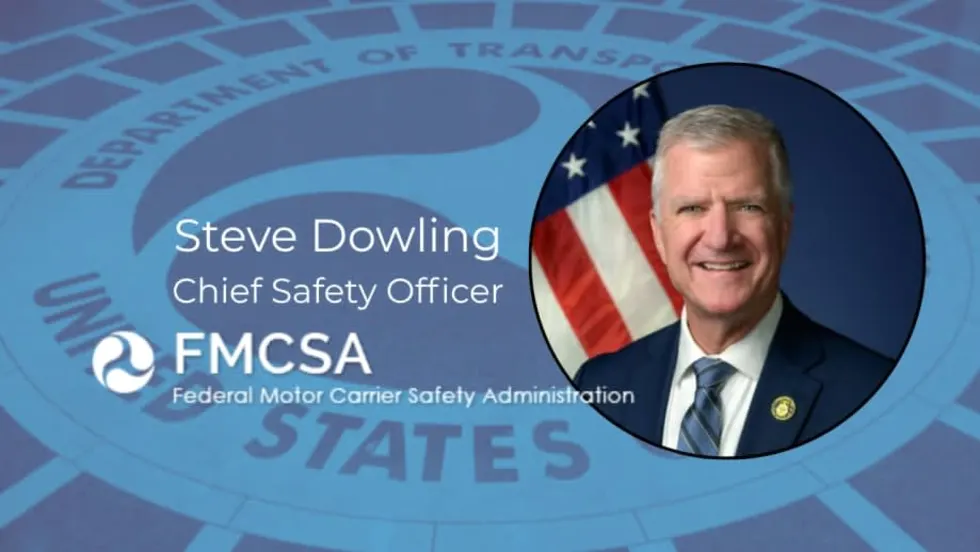
FMCSA Names New Chief Safety Officer: What School Bus Operators Should Know
Steve Dowling is set to lead the federal agency's efforts to advance commercial motor vehicle safety and reduce crashes, fatalities, and injuries on the nation's roadways.
Read More →