





Driver Shortage Remains No. 1 Challenge for Special-Needs Transportation [2025 Survey Report]
From Driver to Mentor: Kala Henkensiefken's Legacy in Special Education Transportation
For decades, Henkensiefken has been a cornerstone of special education transportation in Minnesota. As she prepares for retirement, her career reflects on the industry's evolution and her unwavering commitment to its advancement.
September 11, 2025
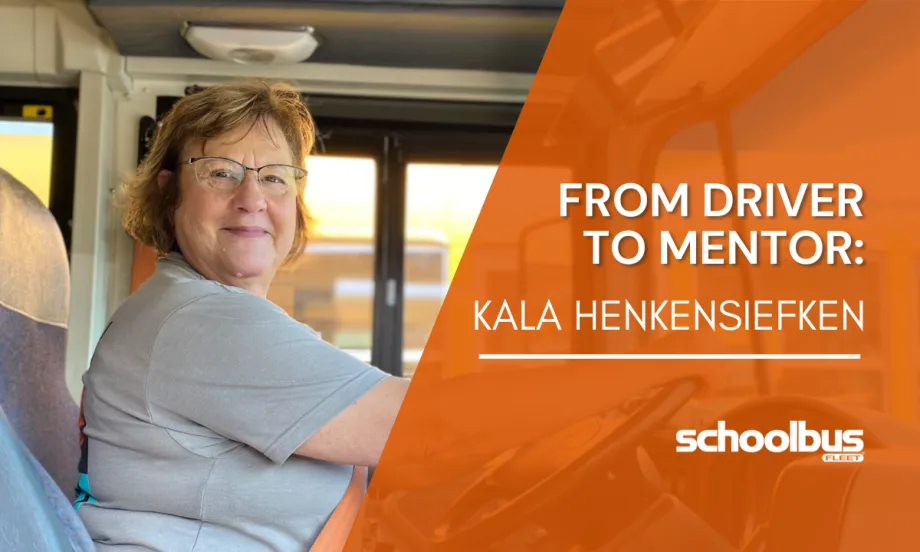
Kala Henkensiefken's legacy includes mentoring future leaders, improving communication, and championing students with special needs.
Photo: K. Henkensiefken / School Bus Fleet
5 min to read
Sometimes, a chance opportunity can turn into a lifelong calling. Kala Henkensiefken's school transportation journey began in this unexpected way: when her daycare provider's father suggested she try driving a bus.
What started as a job quickly grew into a calling. She worked her way up from driver to office support, then to transportation coordinator, and ultimately became Bemidji Area Schools’ special education transportation manager eight years ago in Minnesota.
Her passion for this subset of school transportation is deeply rooted in her personal life. As a child, Henkensiefken grew up around a relative and peers with disabilities, including one of the children in her mom's daycare with limb differences.
In high school, she joined her school's Arc program, a national organization that supports and advocates for individuals with intellectual and developmental disabilities. Although she once planned to become an occupational therapist, life led her back to the very work she was "meant" to do: ensuring safe, reliable access to education for students with special needs.
"Once you fall in love with it, it's just part of your life," Henkensiefken said. "It's in your blood."
How Student Transportation Has Evolved in Henkensiefken's Eyes
Throughout her career, Henkensiefken has witnessed significant changes in student transportation.
Early buses she drove had exposed bare metal frames, but today, padded interiors, compartmentalization, and integrated seat belts are standard. Wheelchair positioning shifted from a sideways to a forward-facing position, and routing moved from paper maps to advanced digital systems.
However, the pandemic ushered in virtual IEP meeting transformations. While not perfect, they gave her more time in the office to focus on safety and team support.
A major change lies in what the industry has learned regarding special needs. "We know so much more about disabilities now than we did when I started back in the ‘80s in this industry," Henkensiefken said. "We know so much more than in the ‘70s when I was in high school."
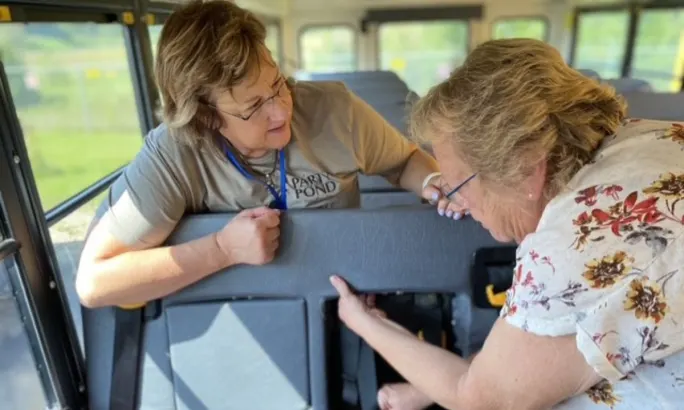
Henkensiefken trains Safety Manager Monica Gregerson, who will take over most of her duties as she prepares for retirement.
Photo: K. Henkensiefken
A Philosophy of Listening and Learning
Henkensiefken's leadership philosophy rests on a simple truth she learned early on: "We can never blame a driver or a para for doing something wrong if we haven't given them the tools to do their job." That mantra has guided her focus on training and equipping her teams.
She also stresses teamwork over individual recognition, emphasizing that there is no "i" in team. To her, safety is a culture built on collaboration, policy, respect, and trust.
Even her missteps became lessons. She recalls a mistake early in her coordinator career with a frustrated parent. "I learned that I have to really listen to that parent and that child," Henkensiefken said. That mother remains in her life, decades later, a testament to the relationships forged through humility and empathy.
Advocating for Drivers, Elevating Future Leaders
Henkensiefken has never worked in isolation. She sees her drivers and paras as professionals deserving of respect, communication, and a seat at the table. Plus, she made it a priority for drivers to receive student-specific information — a step "often overlooked" in the industry.
"We would never place a student who has disabilities in the classroom with a teacher without giving the teacher the information they need," Henkensiefken said. "But too often we do that with our drivers, and that needs to change."
Oftentimes, communication between schools and transportation departments gets muddled, so Henkensiefken has prioritized being an advocate for the district families and her staff to get the information they need to be successful.
Her role as a mentor may be her most lasting legacy. She identifies rising leaders, builds their skills, and ensures her team is cross trained. One standout for Henkensiefken is Jess Jensrud, SPED trainer and driver for Hicks Bus Line, who she met during a car seat training session and has since worked closely with her.
"I can remember one of the first classes that I attended, for which Kala was one of the speakers," Jensrud said. "I will say that I walked away overwhelmed, but a good overwhelmed, because I knew I needed to reach out to her and dip into her knowledge of special education transportation."
Lisa Nippolt, Q'Straint and Sure-Lok regional sales manager, echoed that sentiment: "Her dedication to training, character, and drive for wanting others to succeed, and her commitment to safety are all special qualities of who she is."
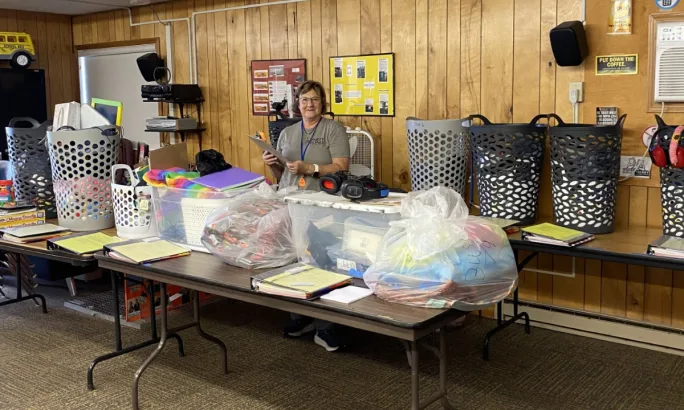
Even in retirement, Henkensiefken continues to train, mentor, and advocate for safe, inclusive student transportation.
Photo: K. Henkensiefken
A New Chapter: Influence Beyond Retirement
Even as she retires, Henkensiefken is far from done. She plans to spend more time with her family and grandchildren, travel, and volunteer, while also starting a small consulting business to continue training and mentoring.
She remains active with Minnesota's Train the Trainer program and is preparing the next generation of leaders to carry the torch.
"I've been coaching Jess so that when the day comes that I'm ready to step away, I know that there's somebody out there that's going to step into my shoes and has that passion that I have to continue to educate drivers, paras, and administration," Henkensiefken said.
"I am disappointed that she is retiring, but I know that she will not be able to leave the industry completely," Jensrud said. "She has way too much love for it. You can see it in her face and hear it in her voice when she is speaking about it. She has been the best mentor that I could ask for, and I know that she will always be there for me or anyone else in the industry if we need her."
Her ultimate wish for the industry? Stronger advocacy for students, families, and transportation staff.
"Too often in our industry, we don't get enough information," she said. "Drivers get, maybe, the child's name, the address, the school, but nothing about the child's needs. That has to change."
Looking back, Henkensiefken credits her parents, mentors like Cheryl Wolf and Peggy Burns, and countless peers for guiding her path. But her own influence is undeniable. Whether training drivers, advocating for families, or mentoring future leaders, she has left an unquestionable mark.
"It's hard sometimes to walk away," she said. "So that's why starting this business will help me continue to be active and be that voice for people."
Subscribe to Our Newsletter
More Special Needs Transportation
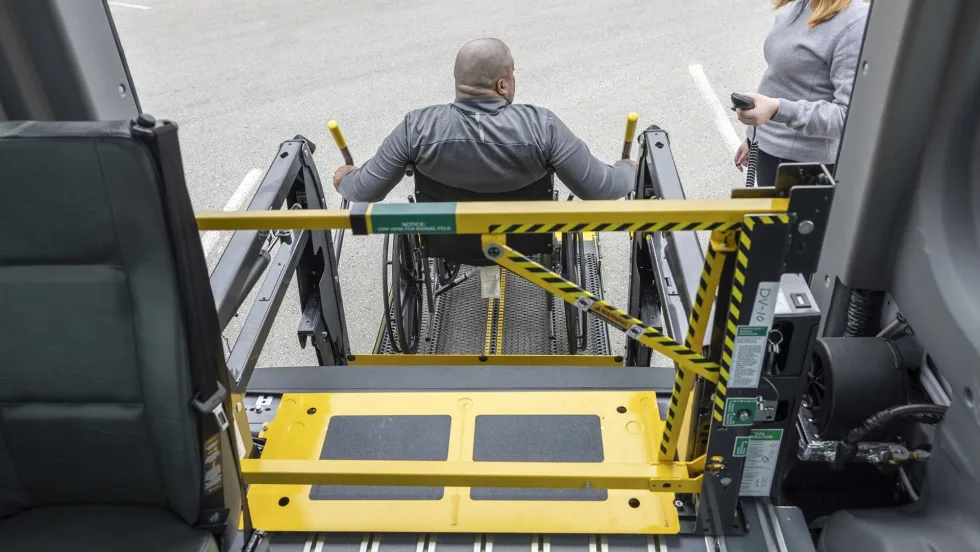
BraunAbility Introduces New Safety Barrier for Wheelchair Lifts
LiftSentinel is designed to add another layer of protection during wheelchair loading and unloading and can be retrofitted to many existing commercial lift installations.
Read More →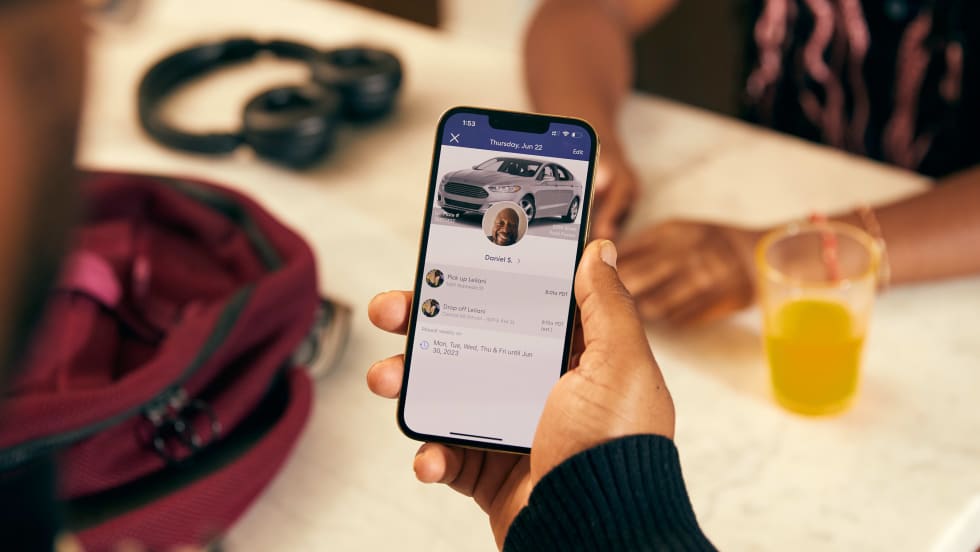
HopSkipDrive Launches New Safety, Driver Consistency Features for 2026-27 School Year
The company’s free ride recording, live ride tracking, and consistent driver assignments aim to improve safety and continuity for diverse student transportation needs.
Read More →
The Most Common Wheelchair Securement Mistakes on School Buses (and How to Fix Them)
Small missteps in wheelchair securement can have serious consequences. Here are 32 tips from experts to reduce risk and increase student safety on the bus.
Read More →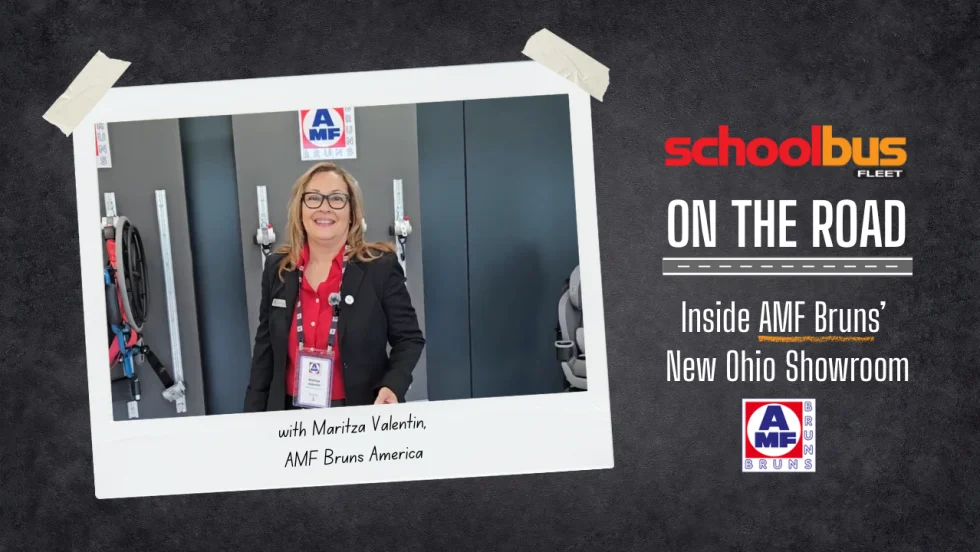
Inside AMF Bruns’ New Showroom: School Bus Securement Solutions Explained
Go inside AMF Bruns America’s new Ohio showroom with Maritza Valentin to see its FutureSafe technology, driver training tools, securement systems, and seating innovations.
Read More →
What AMF Bruns’ New Facility Means for Customers [Video]
Inside AMF Bruns’ new Stow, Ohio, operations: See how expanded space and innovation will enhance customer support and operations.
Read More →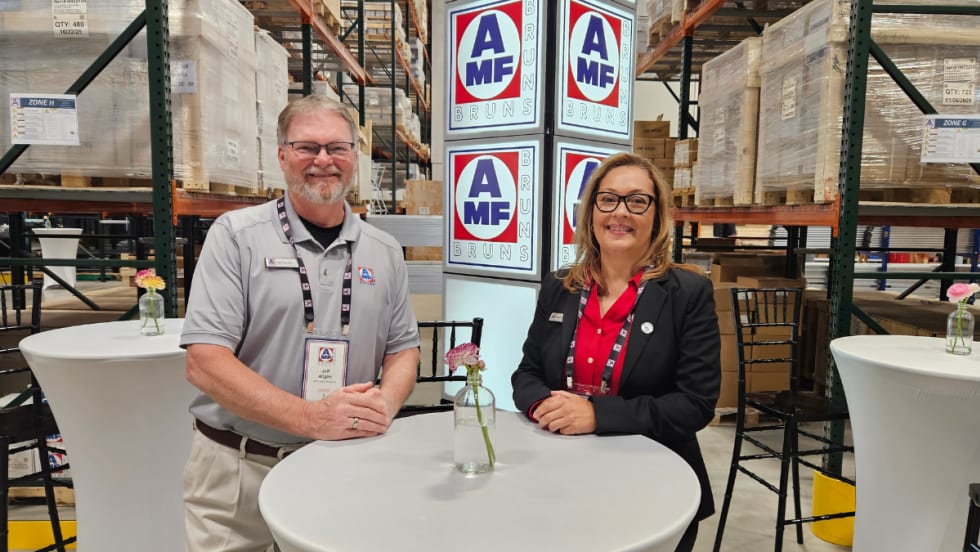
AMF Bruns Expands in Ohio, Investing in Growth and Community
With expanded production space, local investment, and a growing workforce, AMF Bruns is scaling its U.S. presence. Here’s an exclusive first look inside the new Stow, Ohio, HQ.
Read More →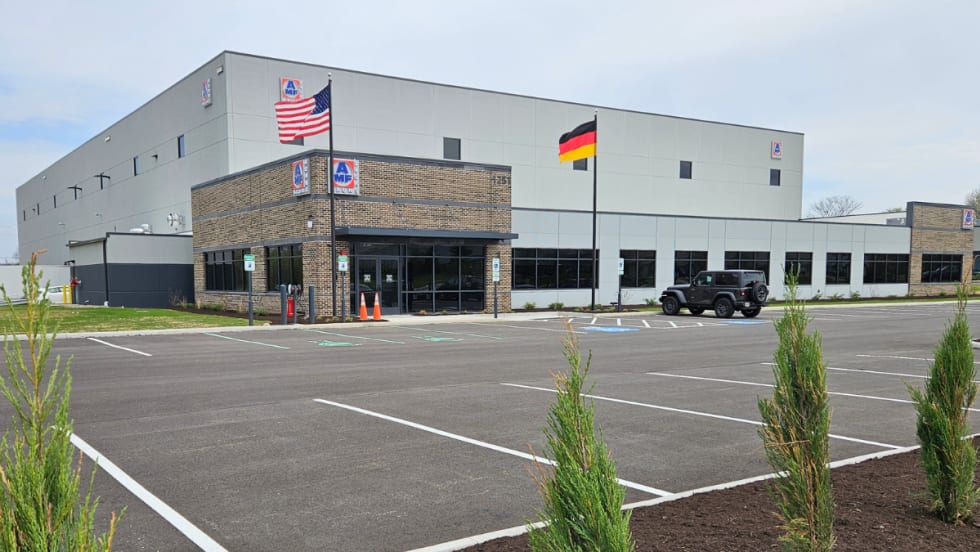
Inside AMF Bruns of America’s New Ohio Manufacturing Facility [Photos]
Take a behind-the-scenes look at AMF Bruns of America’s new 41,000-square-foot Stow, Ohio, headquarters, featuring advanced manufacturing, expanded space, and future-ready mobility solutions.
Read More →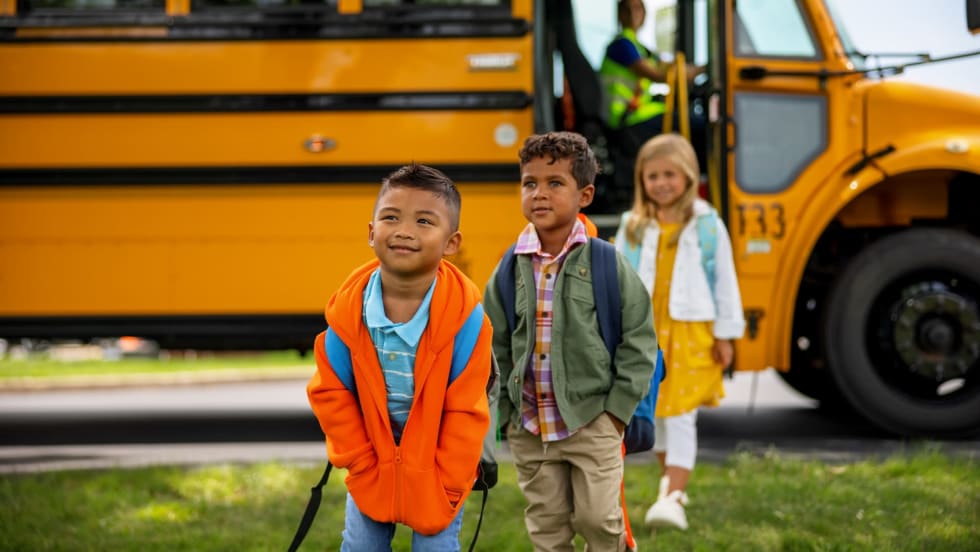
First Student Boosts Student Support in Wichita & Texas
First Student and Wichita Public Schools are using behavioral support strategies to improve student ride experiences, while a separate initiative expands access to after-school programs through a bus donation.
Read More →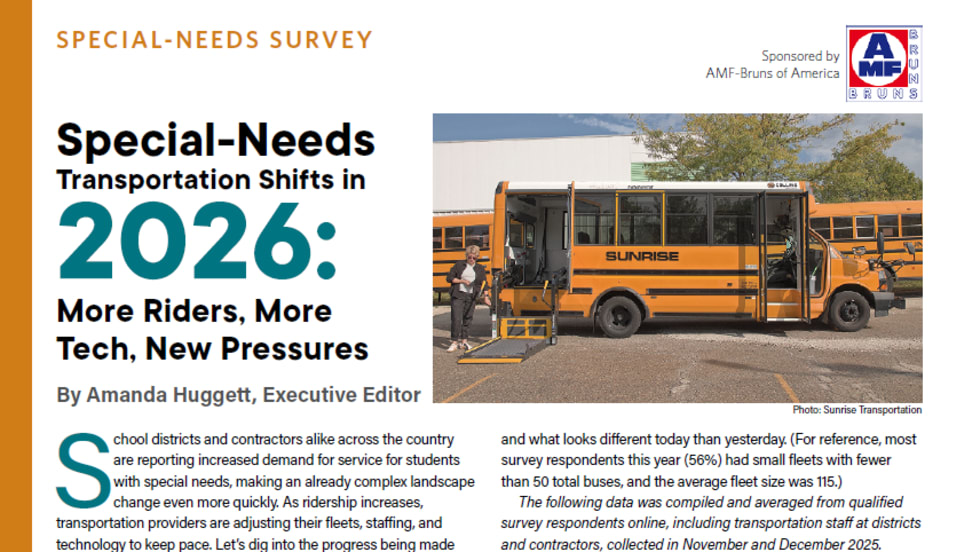
2026 Special-Needs Transportation Survey
What’s changing in special-needs transportation? This year, student transportation operators report a rising need, easing driver shortages, growing tech adoption, and evolving challenges. Sponsored by AMF Bruns of America.
Read More →
The Lived-Experience Gap in Mobility Tech: An Expert Take on Safe Student Transportation
Brianna Pauwee, a product application specialist at AMF Bruns of America and a wheelchair user, drops in to The Route to share practical securement and training insights, plus the story behind the new “Beyond Mobility” podcast. The Route is sponsored by IC Bus.
Read More →