




NSTA Advocacy in Action — What is a negotiated rulemaking, and is it a good thing?
The Federal Motor Carrier Safety Administration proposed employing the negotiated rulemaking process to find a solution to its long-proposed concept of entry-level driver training. What is this process, and is it a good thing?

Ronna Weber is executive director of the National School Transportation Association.
The Federal Motor Carrier Safety Administration (FMCSA) has proposed employing the negotiated rulemaking process in hopes of finding a solution to its long-proposed concept of entry-level driver training. What is this process, and is it a good thing?
FMCSA first issued a notice of proposed rulemaking (NPRM) on this issue on Dec. 26, 2007. That NPRM included a proposal to ”revise the standards for mandatory training requirements for entry-level operators of commercial motor vehicles in interstate operations who are required to possess a commercial driver’s license (CDL).”
On Sept. 19, 2013, FMCSA withdrew the 2007 NPRM because “commenters to the NPRM, and participants in the Agency’s public listening session in 2013, raised substantive issues which have led the Agency to conclude that it would be inappropriate to move forward with a final rule based on the proposal.”
The 2013 withdrawal notice goes on to recognize that FMCSA also received direction from Congress in Section 32304 of the Moving Ahead for Progress in the 21st Century Act (MAP-21), the multi-year transportation reauthorization bill. MAP-21 directed FMCSA to issue a final rule within one year establishing minimum entry-level training requirements for an individual operating a commercial motor vehicle addressing knowledge and skill through classroom and behind-the-wheel training, with a focus on passengers and hazardous materials.
This directive would affect all entry-level drivers of commercial motor vehicles, including school buses, motorcoaches and trucks. Obviously, this is a complicated issue, and it is relatively easy to see why FMCSA has struggled with a one-size-fits-all solution. In hopes of finding a solution, on Dec. 10, 2014, FMCSA issued notice of its intent to form a negotiated rulemaking committee to develop proposed regulations on this issue.
In a negotiated rulemaking, an agency invites representatives of interested parties that are likely to be affected by a regulation to join them on a negotiating committee to develop a consensus draft of a proposal rule. The theory is that if the parties can agree, then everyone else affected by the rule will likely agree. If consensus is reached, the agency publishes the proposal for public comment under the usual regulatory procedures.
Obviously there is risk associated with this, as any solution will involve compromise, but having a seat at the table to discuss and negotiate this issue is critical.
For example, the National School Transportation Association (NSTA) was involved in the Federal Transit Administration (FTA)’s charter bus negotiated rulemaking committee, which began in December 2005 and was completed in December 2006. Federal law has prohibited provision of charter service by federally funded public transit agencies since 1973, but the rules had not been significantly revised since the 1980s. In addition, FTA decisions had been decentralized to regional offices, resulting in a patchwork of contradicting decisions. Congress directed FTA to enter into a negotiated rulemaking proceeding to resolve the issue.
Committee members included 21 organizations and FTA, including representatives of federal, state and local governments; private bus operators; private school bus contractors; urban and rural public transit operators; and transit labor. Negotiations occurred between May 8 and Dec. 7, 2006, and included six two-day meetings.
Much work was also done by smaller groups between those meetings. As agreements were reached by the committee, FTA drafted regulatory language for committee review. When no agreements were reached, FTA drafted regulatory language to reflect the options under discussion.
The committee reached agreement on about 80% of the rule. While compromise was involved to reach agreement on the majority of the issues, the system in place today is much better than it was, and it is working. Thanks to that effort, private operators now have an easy way to register to receive notices of charter work, clarity on several limited exceptions for when public transit systems can provide charter work, greater accountability and stronger enforcement for violators.
NSTA is pleased that FMCSA will use this process to resolve the entry-level driver training issue, and the association intends to be actively involved in the work of the committee. By being part of the conversation, we ensure that the unique characteristics of school bus operations are understood and that the ultimate solution will work for our industry.
Appropriate driver training is critical to the strong safety record of school bus transportation. While participating in a negotiated rulemaking proceeding requires investing time and resources, the process will result in a good thing for the industry.
More Safety
Illegal School Bus Passing Drops 24% in New York Districts
With fewer than 5% of citations involving repeat offenders, Westchester County officials said enforcement, education, and community partnerships are helping change driver behavior.
Read More →
School's Back. Here's What Happened to Traffic, Speeding & Distraction
What happens to traffic when school resumes? New data analysis examines changes in distracted driving, congestion, and speeding around schools.
Read More →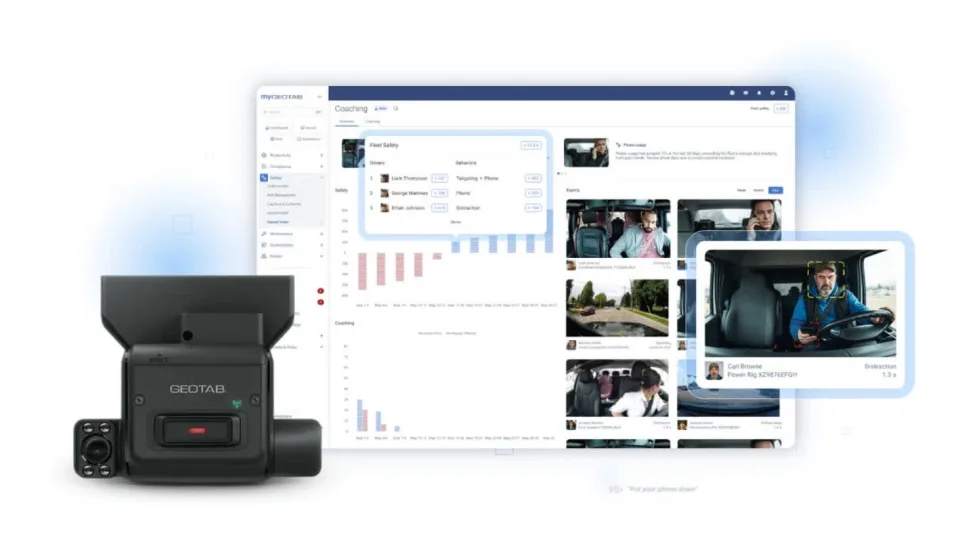
Geotab Expands Fleet Safety Tools With Video Coaching, Risk Insights
New safety and video capabilities aim to help fleet managers assess risk, support drivers, and take targeted action through video coaching, red-light violation detection, and more.
Read More →

How to Build a Better School Bus Driver Training Program
Is it time to strengthen your driver training? Here’s how to pick the right talent and improve recruitment, retention, and safety. This video is brought to you by IC Bus.
Read More →
Recent School Bus Accidents Leave 2 Dead, 2 Injured
Four school bus crashes in Florida, Illinois, and Georgia highlight risks in transportation lots, at bus stops, and during student loading and unloading.
Read More →
When Every Second Matters, Clarity Keeps Routes Moving
From routine delays to urgent incidents, strong communication practices help drivers, dispatchers, schools, and families respond with confidence.
Read More →
What Happens When a School Bus Catches Fire — and What Can Help
School bus fires are rare but can be devastating. Learn how advances in fire suppression and asset protection help fleets detect fires earlier, reduce damage, and improve safety.
Read More →
Geotab Launches Tool to Help Fleets Investigate Road Incidents
Geotab Investigations combines telematics data, video, documents, and other evidence to help fleets reconstruct incidents, resolve claims, and determine what happened.
Read More →
Texas Sixth Grader Wins 2026 National School Bus Safety Poster Contest
Sai Darshana Yekolu of Moseley Middle School in Prosper, Texas, was named the newest winner for her artwork, bringing the theme of “Safe Rides, Everyday Heroes” to life.
Read More →
Doing More With Less: How Transportation Directors Can Prioritize Safety Amid Budget Uncertainty
With diesel prices soaring and nearly one-third of transportation directors expecting budget cuts, maintaining student safety has never been more challenging. Download this guide to learn how leading districts are prioritizing risk, funding critical safety technology, and building stronger budget cases with data.
Read More →