




NSTA Advocacy in Action — Coalition Comments on VW Settlement Funds
The mitigation trust fund can be used to support the replacementor repowering of diesel-powered vehicles, including school buses.
On June 28, the U.S. Environmental Protection Agency (EPA), the California Air Resources Board (CARB), and other parties announced a partial settlement agreement with Volkswagen in connection with Volkswagen’s alleged violations of the Clean Air Act from the Volkswagen 2.0-liter diesel engine emissions.
These vehicles were equipped with software designed to circumvent and “defeat” emission control monitoring, allowing the vehicles to emit much higher levels of oxides of nitrogen (NOx) and other pollutants than allowed under EPA and CARB regulations.
The settlement calls for a total of $14.7 billion in restitution for violations of vehicle emission standards. Of that amount, $2.7 billion would go into a mitigation trust fund to counteract higher emissions of NOx attributable to Volkswagen diesel vehicles. The fund can be used to support the replacement or repowering of diesel-powered vehicles, including school buses.
The National School Transportation Association (NSTA) has long been a leader in the Diesel Emissions Reduction Act (DERA) Coalition — a diverse group of entities that includes manufacturers, operators of diesel vehicles and equipment, and clean air advocates working collaboratively to support EPA’s efforts to implement the DERA of 2005.
Partnerships like the DERA Coalition are important because if we as interested parties can agree and work together, we are far more likely to gain support and be heard. The broader the coalition, the more successful it tends to be.
The DERA Coalition has also served another important role: to provide technical advice to EPA on the means to administer the incentive program effectively. The DERA program has proven to be one of the most successful and cost-effective programs at EPA. For example, according to the Third Report to Congress: Highlights from the Diesel Emission Reduction Program from February 2016, since its launch, DERA has achieved 335,200 tons of NOx reduction, with a savings of $5 to $21 in environmental, health, and economic benefits for every dollar of federal funds expended.

Ronna Weber is executive director of the National School Transportation Association (NSTA).
On July 6, the Department of Justice issued a Notice of Lodging of Proposed Partial Consent Decree under the Clean Air Act detailing the specifics of the agreement between the United States, California, and Volkswagen.
NSTA helped to organize members of the DERA Coalition to submit comments and offered the following in those comments:
• All funding should be technology-neutral and applied equitably across all comparable technologies to help achieve the highest level of NOx emissions reduction possible.
• The DERA Coalition supported the language in the decree that would treat private school bus companies under contract with local school districts the same as government entities but urged greater applicant neutrality as funds are distributed.
• Decisions on which competing projects to fund should be made on the relative cost-effectiveness of the technology proposed for use.
• The mitigation trust fund should include preference for projects that would otherwise not be funded through normal fleet retirements.
• Some portion of the funds should be used to concentrate grant funding in areas with the highest level of nonattainment.
• States should be allowed to use the DERA program to administer their funds rather than creating separate state programs, which would be confusing and inefficient.
• States should maintain current funding levels for their existing diesel emission reduction programs to ensure continued progress toward net reduction in NOx emissions.
Joining forces with other members of the DERA Coalition and submitting these comments together requires a lot of work and coordination, but it is a very important part of NSTA’s commitment to ensuring cost-effective environmental programs.
More Alternative Fuels
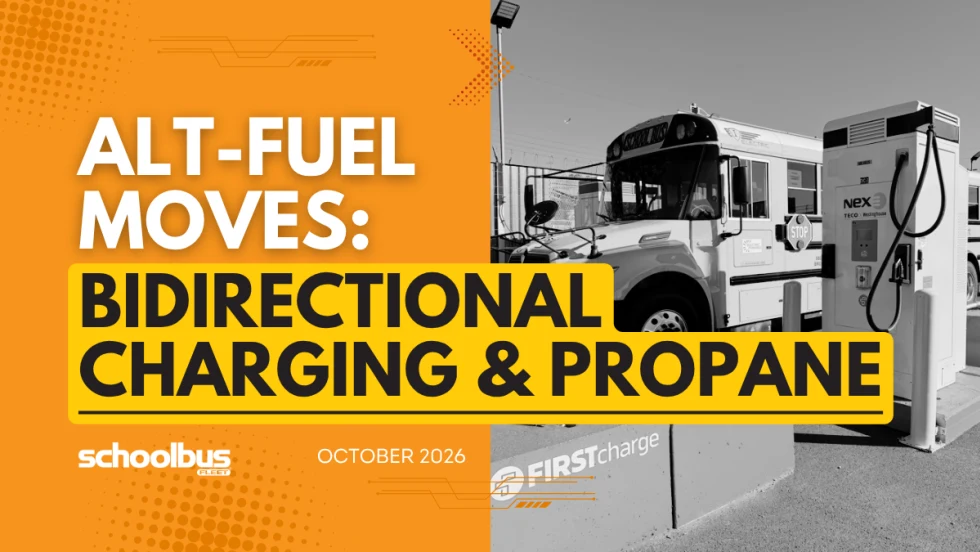
Alt-Fuel Moves: Electric Bus Rollouts, Bidirectional Charging & Propane Growth
See which fleets are adding electric and propane school buses as districts and operators invest in charging infrastructure, bidirectional technology, and alternative-fuel expansion.
Read More →
Nobody Told Diesel Prices They Were Supposed to Come Down
With diesel prices surging, school bus fleets have new reason to stress-test fuel costs, consider diversification, and calculate what each route really costs to operate.
Read More →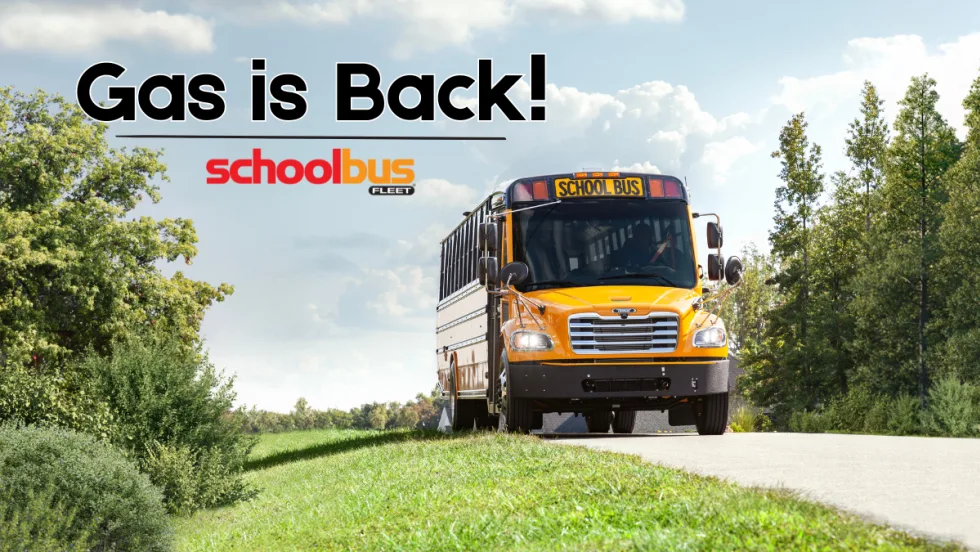
Why Gasoline School Buses Are Making a Comeback
Gasoline is gaining ground in full-size school buses. See how today’s options stack up against diesel on cost, maintenance, emissions, performance, and more.
Read More →
EPA Opens $180M DERA Funding Round for Diesel Upgrades
The 2026 Diesel Emissions Reduction Act program seeks applications from eligible organizations to accelerate the retirement of legacy diesel vehicles.
Read More →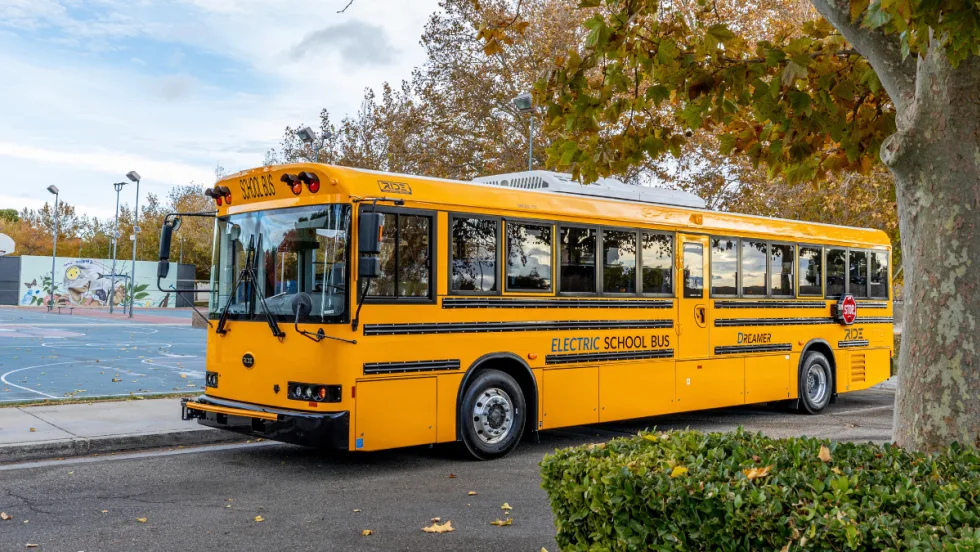
The Secret Life of an Electric School Bus Battery
Batteries change throughout years of daily routes, but degradation doesn’t necessarily mean the end. Here’s what operators should know about performance, safety, and second life.
Read More →
CALSTART and Forth Combine to Form Catalyst Mobility
The new name represents a renewed vision for the nonprofit focused on advancing clean, equitable, and affordable transportation solutions that move people and goods.
Read More →
Alt-Fuel Moves: New Buses, Charging Hubs & Real-World EV Testing
Propane and electric school bus deployments continue to grow as districts add new vehicles, expand charging infrastructure, and gather more real-world operating data.
Read More →
Fewer Electric School Bus Models Reshape the U.S. Market
WRI’s latest buyer’s guide points to a consolidating electric school bus market, but fewer options may reflect a maturing industry rather than fewer meaningful choices for school bus operators.
Read More →
The Fuel Budget You Can Actually Predict: How Propane Autogas Keeps Money in the Classroom
Learn how propane autogas helps school districts manage fuel costs with predictable pricing, lower maintenance, and reduced emissions from former transportation director Joel Stutheit.
Read More →
Hendrickson, Driventic Introduce New Electric Powertrain for School Buses
ELECTRAAX, the electrified, lightweight drive axle offers integrated ePowertrain efficiency and modular flexibility for Class 6–7 school bus use.
Read More →