




NSTA Advocacy in Action — Advocating for a Safe Return to School
School bus industry associations can help pupil transportation leaders work together to help keep students on the safest mode of transportation: the yellow bus.
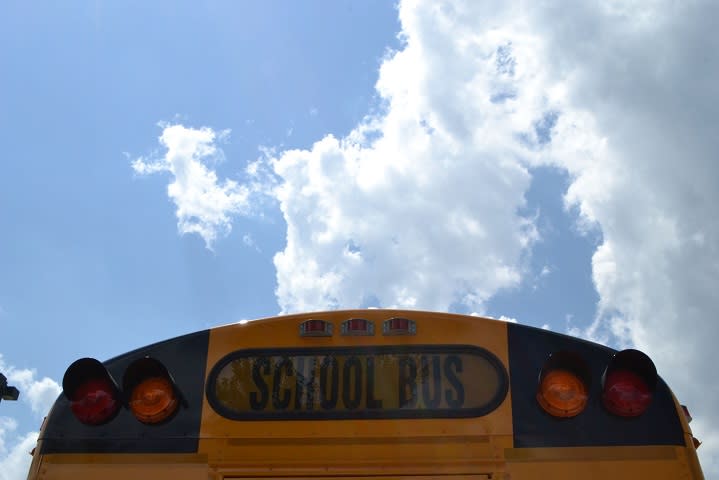
File photo
File photo
In August, over 50 million students will head back to school, and more than half of them will ride the yellow bus, which is the safest vehicle on the road, according to the National Highway Traffic Safety Administration (NHTSA).
Also according to the NHTSA, students are about 70 times more likely to arrive at school safely by bus than by any other means of transportation. NHTSA reported that in 2017, over 3,200 teenaged drivers from the ages of 15 to 19 were involved in fatal crashes. (I can tell you that I always felt relief when my own kids traveled to and from school on the school bus instead of with teenaged friends.)
In addition to the safety issue, a study from the University of California found that children who took the school bus to school had fewer absent days and were less likely to be chronically absent. These findings highlight the importance of supporting and maximizing school bus ridership.
And then there’s the ever-important issue of funding. Funding for student transportation primarily comes from state and local governments, but student transportation is often a target in the budget process. This problem is compounded when unfunded or poorly planned legislative or regulatory mandates create additional burdens. This is especially the case when such mandates are imposed even though they have not been proven to provide improvements or benefits. In the end, schools struggling with these challenges may have no choice but to reduce transportation services, ultimately to the detriment of the students.
These issues highlight the importance of engaging in industry associations so student transportation leaders can work together to help keep students on the safest mode of transportation: the yellow bus.
In addition, school bus trade associations can also help the industry recognize and raise the image of the professional school bus driver.
As incoming president of the National School Transportation Association (NSTA), I look forward to working with the committed members, directors, and officers of the association to continue to support and promote the important work that has been its mainstay since it began 55 years ago. The NSTA’s committees are already doing great work to promote and advance the industry. The NSTA advocacy team led the recent successful effort to achieve an intrastate school bus exemption from UCR fees, provided testimony to Congress in Washington, D.C., in support of continued funding for the Diesel Emissions Reduction Act grant programs for school buses, and has had a member appointed to the Surface Transportation Security Advisory Committee to assure the voice of the school bus industry is heard.

John Benish Jr. is the president of the National School Transportation Association.
While the committees and the advocacy team have been hard at work, all members have embraced and advanced volunteer projects that support the industry. NSTA school bus contractor members have led or promoted projects like the American Association of Diabetes Educators grant program to enhance driver wellness and the Middle School Kindness Challenge program to end bullying. NSTA also provided online tools to the U.S. Department of Education to help schools better understand their true costs of student transportation.
We are looking forward to advancing the school bus industry through the continued efforts of this dynamic team, as students return to school and beyond. Come join us. With NSTA, you never travel alone.
More Safety
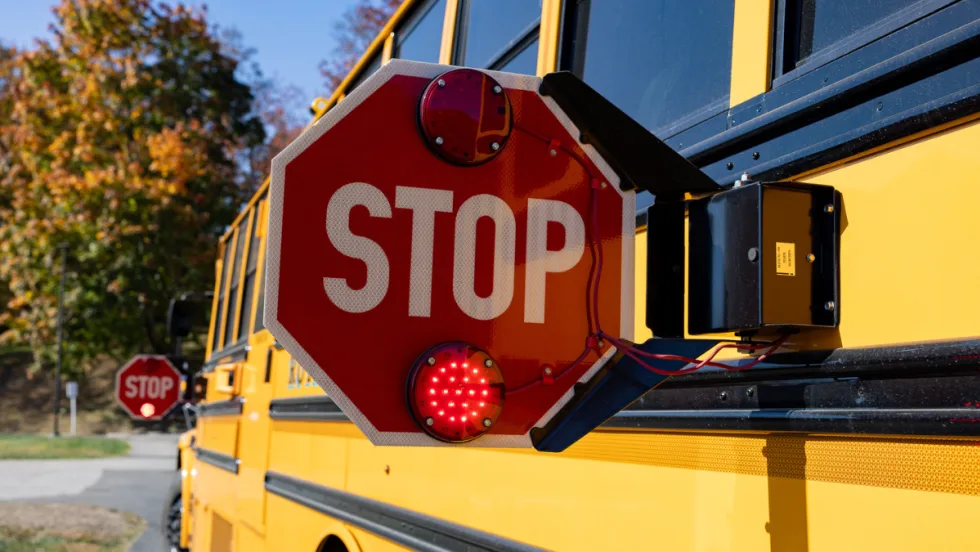
Illegal School Bus Passing Drops 24% in New York Districts
With fewer than 5% of citations involving repeat offenders, Westchester County officials said enforcement, education, and community partnerships are helping change driver behavior.
Read More →
School's Back. Here's What Happened to Traffic, Speeding & Distraction
What happens to traffic when school resumes? New data analysis examines changes in distracted driving, congestion, and speeding around schools.
Read More →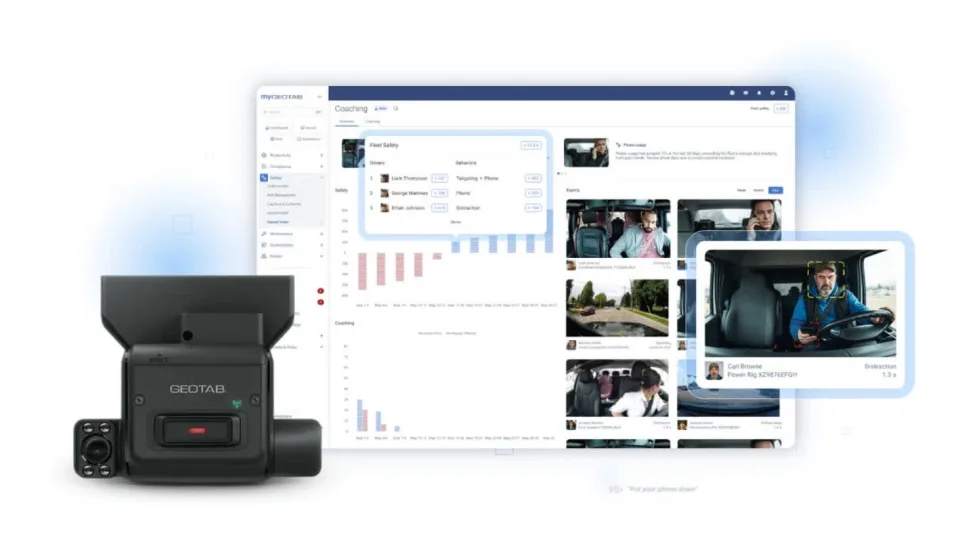
Geotab Expands Fleet Safety Tools With Video Coaching, Risk Insights
New safety and video capabilities aim to help fleet managers assess risk, support drivers, and take targeted action through video coaching, red-light violation detection, and more.
Read More →

How to Build a Better School Bus Driver Training Program
Is it time to strengthen your driver training? Here’s how to pick the right talent and improve recruitment, retention, and safety. This video is brought to you by IC Bus.
Read More →
Recent School Bus Accidents Leave 2 Dead, 2 Injured
Four school bus crashes in Florida, Illinois, and Georgia highlight risks in transportation lots, at bus stops, and during student loading and unloading.
Read More →
When Every Second Matters, Clarity Keeps Routes Moving
From routine delays to urgent incidents, strong communication practices help drivers, dispatchers, schools, and families respond with confidence.
Read More →
What Happens When a School Bus Catches Fire — and What Can Help
School bus fires are rare but can be devastating. Learn how advances in fire suppression and asset protection help fleets detect fires earlier, reduce damage, and improve safety.
Read More →
Geotab Launches Tool to Help Fleets Investigate Road Incidents
Geotab Investigations combines telematics data, video, documents, and other evidence to help fleets reconstruct incidents, resolve claims, and determine what happened.
Read More →
Texas Sixth Grader Wins 2026 National School Bus Safety Poster Contest
Sai Darshana Yekolu of Moseley Middle School in Prosper, Texas, was named the newest winner for her artwork, bringing the theme of “Safe Rides, Everyday Heroes” to life.
Read More →
Doing More With Less: How Transportation Directors Can Prioritize Safety Amid Budget Uncertainty
With diesel prices soaring and nearly one-third of transportation directors expecting budget cuts, maintaining student safety has never been more challenging. Download this guide to learn how leading districts are prioritizing risk, funding critical safety technology, and building stronger budget cases with data.
Read More →