



Nonconforming vans targeted in House bill
WASHINGTON, D.C. — The National School Transportation Association (NSTA) succeeded in getting a provision in the House bill reauthorizing trans...

WASHINGTON, D.C. — The National School Transportation Association (NSTA) succeeded in getting a provision in the House bill reauthorizing transportation programs that will accelerate the elimination of nonconforming vans in school transportation. The bill, called Transportation Equity Act — A Legacy for Users (TEA-LU), passed the House in early March by a vote of 417-9.
The van provision adds a requirement to Section 402 of Title 23 of the U.S. Code, regarding highway safety programs. Under this section, states must have a highway safety program that meets certain criteria and must collect and report safety data. Federal grants (which are commonly referred to as “402 funds”) are distributed to the states for their use in educational programs, safety campaigns and other “soft” safety uses and are predicated on the states meeting specific requirements. Section 402 is generally funded at about $200 million annually.
There are currently six mandated safety programs that states must have in order to qualify for funds, including programs to address excessive speeding, occupant protection and DWI. The bill adds a seventh requirement: “To prevent use of any motor vehicle designed to transport between nine and 15 passengers (including the driver) for the transportation of children to and from school and events related to school.”
The school bus industry has long been aware of the dangers posed by the use of large vans that do not meet the safety standards of school buses. Both the National Transportation Safety Board and the National Highway Traffic Safety Administration have warned against using these vehicles for student transportation.
The NSTA is working to incorporate the same provision into the Senate bill.
In other news related to the reauthorization of the transportation bill, the NSTA participated in a two-day fly-in to Washington, D.C., to push for provisions favorable to private-sector interests.
The fly-in, held in mid-March, was sponsored by a coalition of private transportation associations. NSTA President Dale Krapf attended the event, which included meetings with more than 30 House and Senate members.
The coalition, represented by approximately 40 members, lobbied for protections against unfair competition from publicly funded transit operations, as well as inclusion of private-sector operators in the federal transit program.
The event was kicked off March 15 by a press conference featuring Sen. Wayne Allard of Colorado and Rep. Jimmy Duncan of Tennessee.
Allard, who is chair of a key subcommittee of the Bank, Housing and Urban Affairs committee, said that the provisions sought by the coalition would help to “level the playing field” for the private sector. “Everyone, including the private sector, has the right to be fairly represented,” Allard said.
Duncan said that private-sector protections would translate into “better transportation service for all Americans.”
More Safety
FMCSA Names New Chief Safety Officer: What School Bus Operators Should Know
Steve Dowling is set to lead the federal agency's efforts to advance commercial motor vehicle safety and reduce crashes, fatalities, and injuries on the nation's roadways.
Read More →
New Study Finds School Zone Speed Safety Cameras Cut Speeding Violations 97%
A Florida university's research demonstrates that Verra Mobility's automated enforcement changes driver behavior and significantly improves school zone safety.
Read More →
What Changed in DOT’s New National Roadway Safety Strategy?
The federal agency's new plan shifts its focus to safer people, roads and vehicles, with a new three-pronged approach instead of five. One outlined action even addresses a key industry concern around illegal school bus passing.
Read More →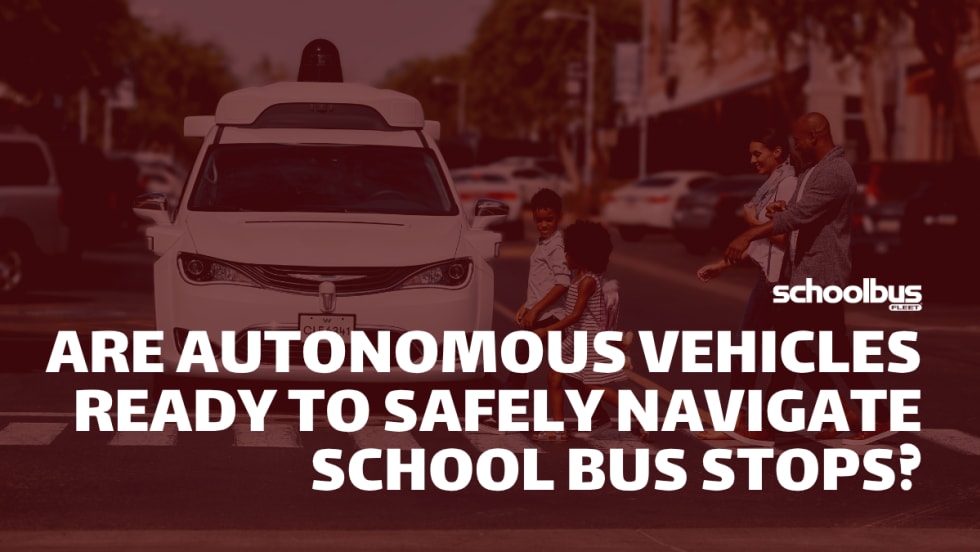
Are Autonomous Vehicles Ready to Safely Navigate School Bus Stops?
NHTSA is accelerating autonomous vehicle deployment through new safety standards and commercial approvals. See why school transportation leaders are watching.
Read More →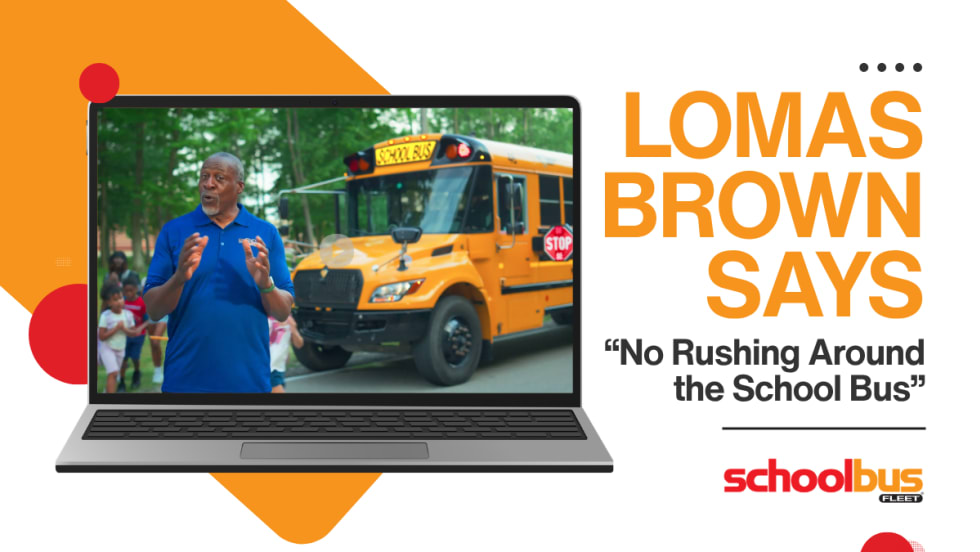
NFL Star Lomas Brown Kicks Off New Illegal School Bus Passing PSA
Just in time for the back-to-school season, the former Detroit Lions offensive tackle took time to record a video encouraging motorists to slow down around school buses.
Read More →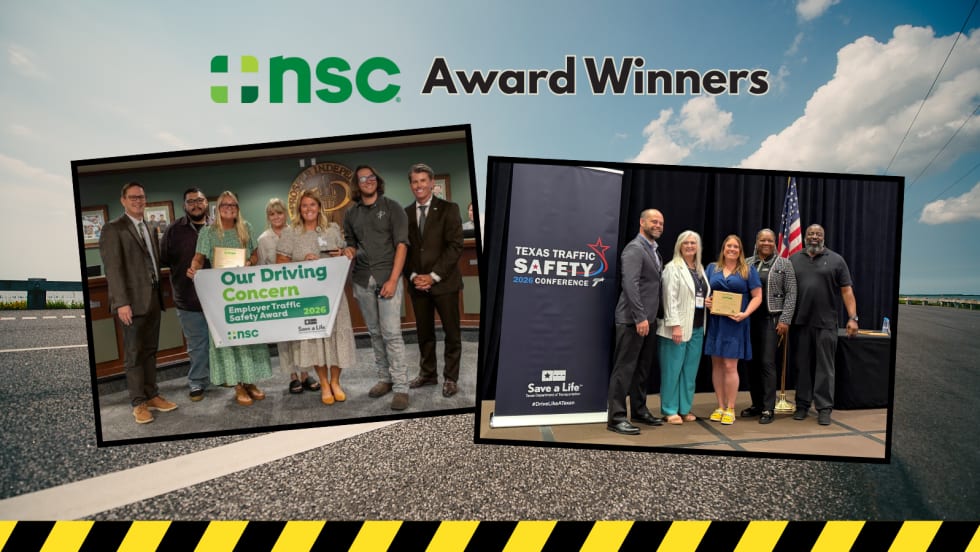
How Two Texas Districts Built Award-Winning Safety Programs
Learn how Prosper ISD and Rockwall ISD earned National Safety Council honors through hands-on training, safety culture, and strategies that reduced transportation incidents.
Read More →
NHTSA Releases 10-Year Review of Fatal School Bus Crashes
The latest federal analysis reinforces the safety of school buses while identifying where school-age pedestrians and other motorists remain most at risk.
Read More →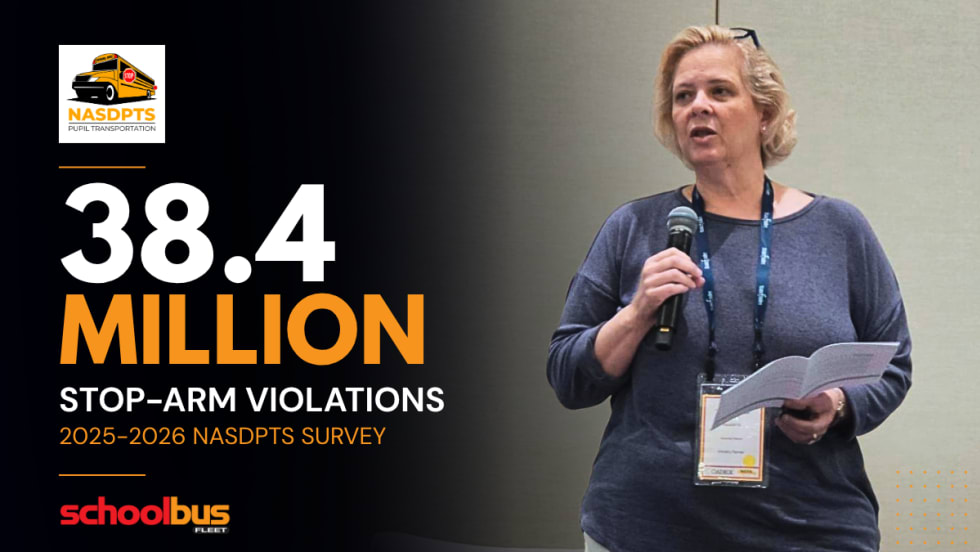
2026 NASDPTS Survey: Data Shows Further Reduction of Illegal Passing
New data is in! School bus stop-arm passings are down to 38.4 million violations per year, about a 2.3% decrease from last school year — but passings on the right side of the bus are higher than ever.
Read More →
Another School Bus Fatality Reported in Monsey, New York
A 7-year-old girl died after being struck by a school bus in Rockland County, New York while crossing the street. Here's what we know.
Read More →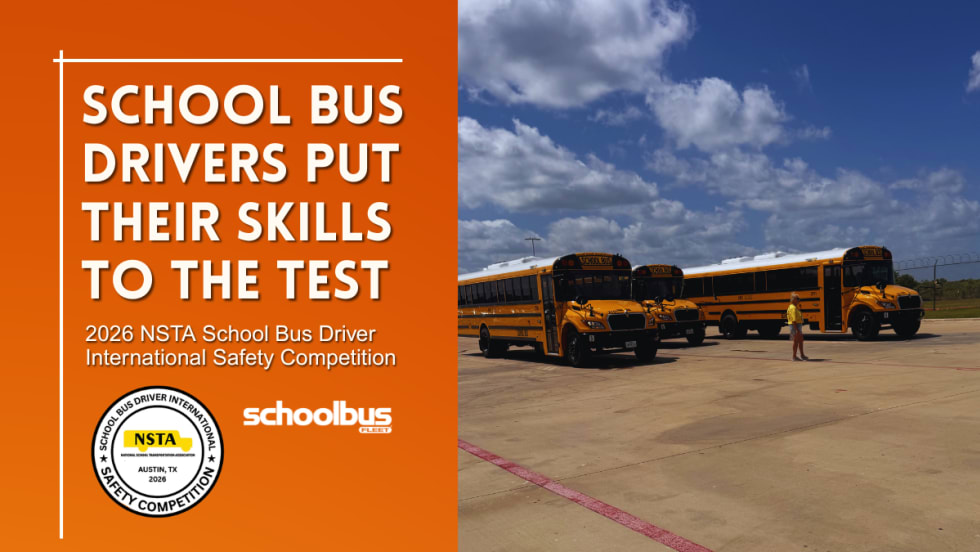
NSTA Announces 2026 School Bus Driver International Safety Competition Winners
Drivers from across the U.S. and Canada showcased their safety and driving skills, with two defending champions successfully retaining their titles.
Read More →