




No need for paranoia, but security needs closer look
The focal point of the school transportation community has always been safety. Everything you do is directed toward moving children safely to and from...
The focal point of the school transportation community has always been safety. Everything you do is directed toward moving children safely to and from school and school-related activities. On the periphery has been security, a slightly different notion that implies protection, especially against crime, sabotage or attack. Although I’m not one to sit around wringing my hands, I believe tighter integration of safety and security needs to be examined by school bus operators in the wake of the Sept. 11 attacks. There’s no doubt that mass transportation systems are likely candidates for terrorism. You need only think back to the infamous sarin gas attack in a Tokyo subway in 1995 for a grim reminder of the potential for catastrophe. In fact, it’s estimated that 40 percent of terrorist attacks worldwide target transportation systems. Assumptions are dangerous
The assumption that school buses will not be targeted by terrorists is a dangerous one. Two months ago, no one would have believed that an airliner, much less four in the same day, could be used as a guided missile. Or that anthrax would be sent through the mail to infect the recipients. A new way of thinking is required. We need to look at what we do from a different vantage point. Are there gaps in security that could be plugged? We need to pool our collective experience about pupil transportation - and bring in the knowledge of counter-terrorism experts - to address this issue. Perhaps the National Association for Pupil Transportation could coordinate an effort to put together a systematic assessment of pupil transportation and its vulnerability to terrorist attack. Believe me, the transit industry is not waiting for an attack to occur before deciding that additional security precautions are necessary. Immediately following the Sept. 11 attacks, the Federal Transit Administration prepared a “tool box” of information about terrorism and disseminated it to the general managers of the transit agencies across the United States. Some transit agencies have acted quickly to reduce the potential for terrorism by deploying bomb-sniffing dogs, removing trash cans that can be receptacles for explosives from bus and train stations and, most importantly, assessing their security risks. It helps, of course, that the federal government is promising to authorize funding for some of these additional security precautions. The school transportation community cannot expect any financial support; it will need to rely on its existing infrastructure and its ability to improvise. Even with limited funding, however, the school bus community has shown that it can handle challenges that would overwhelm lesser organizations. Focus on what can be done
Many people would say that the school transportation community cannot prepare for a terrorist attack. There are too many variables, too much exposure. Although not as vulnerable as transit systems, which allow anyone with a token to board their vehicles, the school bus is subject to all manners of hostility. For example, if a terrorist broke into a bus yard overnight and planted timed explosives on a bus, perhaps in something as innocuous as a child’s backpack, would the driver have the wherewithal to detect and report the finding to authorities? For that matter, is your bus compound safe from intrusion? You need to make it as difficult as possible for anyone to tamper with the nation’s 450,000 school buses. If that means that you need to put up a security fence and add motion detectors, then that’s what needs to be done. The alternative is to continue with the status quo and hope that the odds don’t catch up with you. After all, there is an extremely small chance that a terrorist will target a school bus, much less one of yours. But there are thousands of people in America who never thought they’d win the lottery either.
More Safety

How to Build a Better School Bus Driver Training Program
Is it time to strengthen your driver training? Here’s how to pick the right talent and improve recruitment, retention, and safety. This video is brought to you by IC Bus.
Read More →
Recent School Bus Accidents Leave 2 Dead, 2 Injured
Four school bus crashes in Florida, Illinois, and Georgia highlight risks in transportation lots, at bus stops, and during student loading and unloading.
Read More →
When Every Second Matters, Clarity Keeps Routes Moving
From routine delays to urgent incidents, strong communication practices help drivers, dispatchers, schools, and families respond with confidence.
Read More →

What Happens When a School Bus Catches Fire — and What Can Help
School bus fires are rare but can be devastating. Learn how advances in fire suppression and asset protection help fleets detect fires earlier, reduce damage, and improve safety.
Read More →
Geotab Launches Tool to Help Fleets Investigate Road Incidents
Geotab Investigations combines telematics data, video, documents, and other evidence to help fleets reconstruct incidents, resolve claims, and determine what happened.
Read More →
Texas Sixth Grader Wins 2026 National School Bus Safety Poster Contest
Sai Darshana Yekolu of Moseley Middle School in Prosper, Texas, was named the newest winner for her artwork, bringing the theme of “Safe Rides, Everyday Heroes” to life.
Read More →
Doing More With Less: How Transportation Directors Can Prioritize Safety Amid Budget Uncertainty
With diesel prices soaring and nearly one-third of transportation directors expecting budget cuts, maintaining student safety has never been more challenging. Download this guide to learn how leading districts are prioritizing risk, funding critical safety technology, and building stronger budget cases with data.
Read More →
Walton County Schools Adds Gatekeeper Stop-Arm Enforcement System
The Florida district will deploy Gatekeeper’s updated Student Protector technology, which now incorporates AI to improve video evidence.
Read More →
How To Build a More Secure School Bus Yard During and After Hours
As thefts and overnight security threats continue, school transportation leaders are combining stronger operational practices with AI-enabled surveillance to better protect buses, facilities, and staff.
Read More →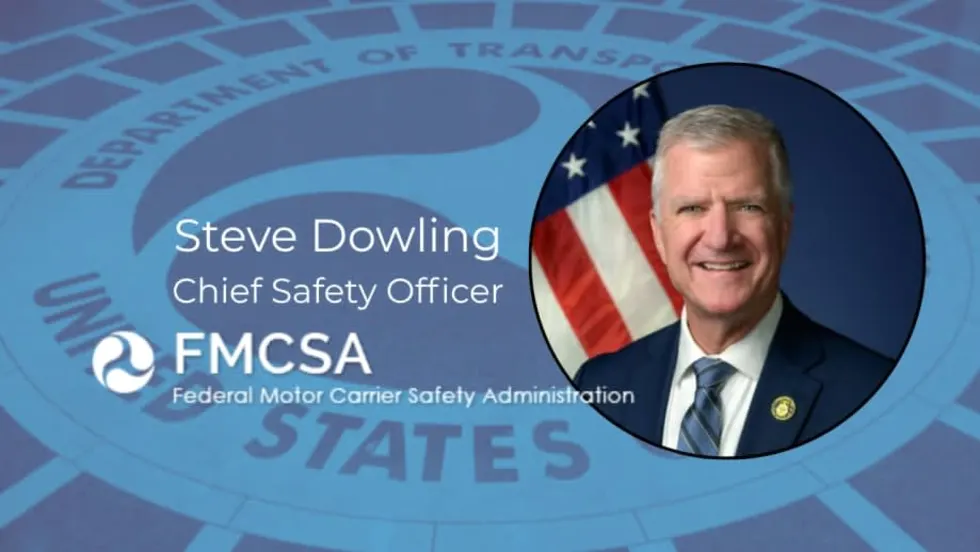
FMCSA Names New Chief Safety Officer: What School Bus Operators Should Know
Steve Dowling is set to lead the federal agency's efforts to advance commercial motor vehicle safety and reduce crashes, fatalities, and injuries on the nation's roadways.
Read More →