


NHTSA amends lift requirements
WASHINGTON, D.C. — The National Highway Traffic Safety Administration (NHTSA) has revised parts of its final rule on two wheelchair lift standards tha...

WASHINGTON, D.C. — The National Highway Traffic Safety Administration (NHTSA) has revised parts of its final rule on two wheelchair lift standards that will take effect on Dec. 27, 2004.
The first standard, FMVSS 403, deals with wheelchair lifts, while FMVSS 404 deals with the vehicle in which the lift is installed. The standards differentiate between lifts used for public transportation and those used for private purposes.
The section relating to use for public transportation applies to school buses, transit buses and multipurpose vehicles with a gross vehicle weight rating over 10,000 pounds. Because these vehicles will generally be subject to more stress and cycles, there are more requirements as to platform size, control and handrails.
The final rule was published on Dec. 27, 2002. In response, NHTSA received six petitions for reconsideration from wheelchair lift manufacturers, vehicle manufacturers and a transportation safety research organization.
After considering the petitions, NHTSA amended several parts of the final rule and published the revised rule on Oct. 1. (The amended rule takes effect on Dec. 27, 2004, the same as the original final rule.)
One of the key changes was to interlock requirements. In the original version, NHTSA determined that compliance responsibility for the interlock system, which keeps the vehicle from accidentally moving while the lift is deployed, should rest with the lift manufacturer.
One wheelchair lift manufacturer argued that it was unreasonable for them to be expected to design door, lift and brake interlocks. NHTSA agreed and changed the final rule to allow lift manufacturers to rely on interlock components provided by the bus manufacturers.
Another notable change was made to lighting requirements. The final rule held that it’s the responsibility of the lift manufacturer to provide lighting for its equipment. Two lift companies argued that lighting should be the vehicle manufacturer’s responsibility. NHTSA concurred, shifting the responsibility to the vehicle maker.
More Safety
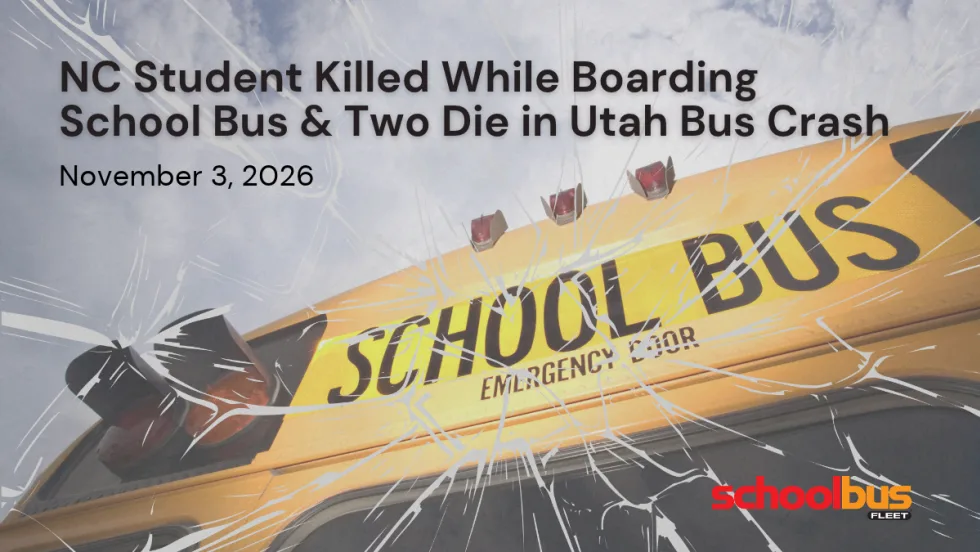
North Carolina Student Killed While Boarding School Bus, Two Die in Utah Bus Crash
A Southern Nash High School student died after being struck by a pickup truck while approaching her school bus. In a separate incident, two people were killed after crashing into a school bus in Utah.
Read More →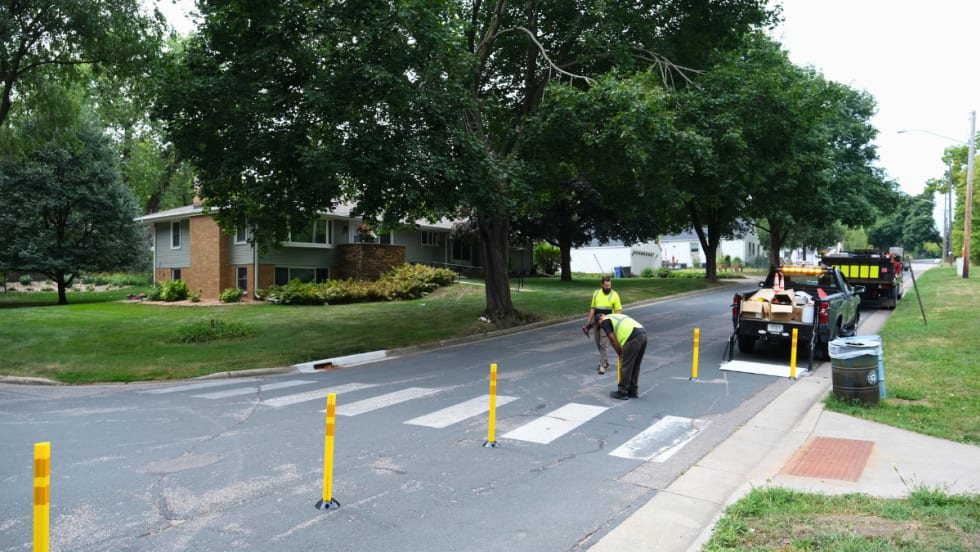
Minneapolis School Zone Pilot Cuts Speeding 41% with Low-Cost Street Design Changes
In a pilot project in Minnesota, two school-area intersections had low-cost, temporary road and traffic flow improvements made to measure the impact on roadway and student safety. Here's what they found.
Read More →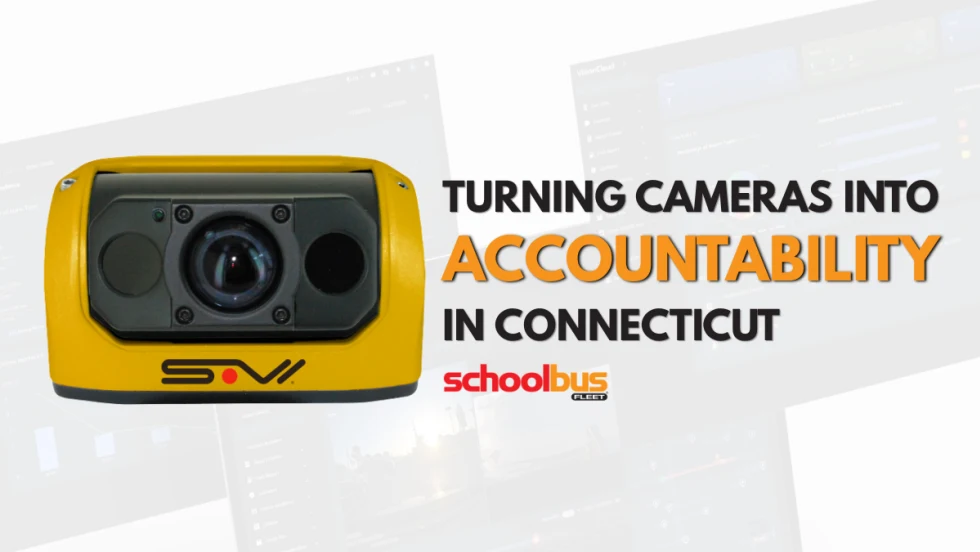
Sitestream, Safety Vision Partner with Connecticut City to Launch School Bus Stop-Arm Camera Program
The new enforcement initiative combines camera technology and violation management software to document illegal school bus passing, encourage driver compliance, and enhance student safety.
Read More →
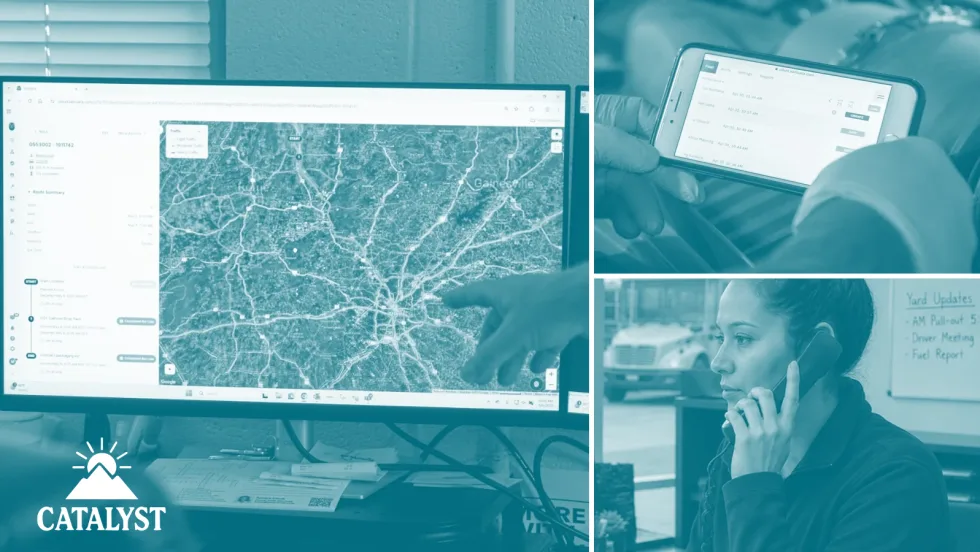
From Reactive to Proactive: Making Every Ride Visible
Smart technology only delivers its full value when it works together. See how Catalyst connects proven industry platforms to move student transportation from reactive to proactive.
Read More →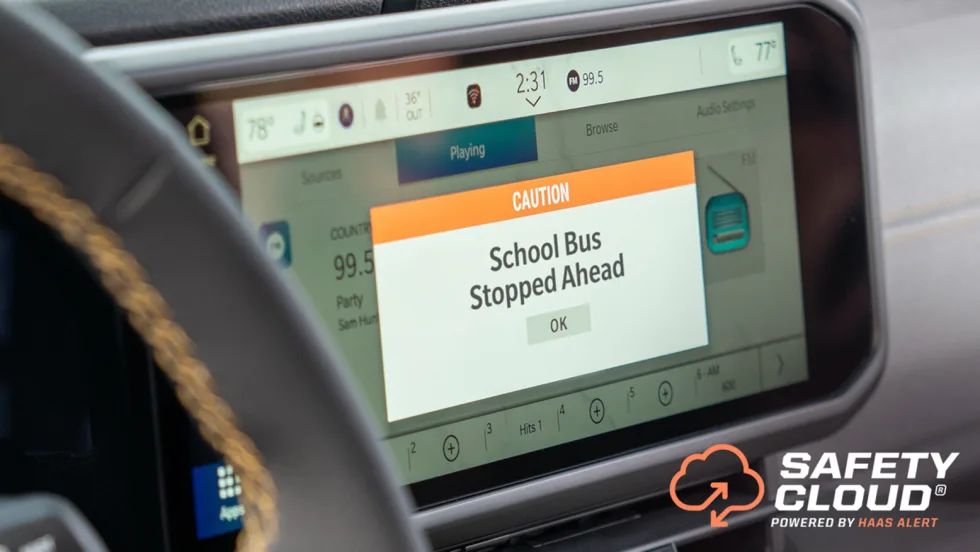
HAAS Alert’s Safety Cloud Warns Motorists of Stopped School Buses
Through a transponder or Samsara connection, the product lets school bus fleets send advance warnings to approaching drivers through in-vehicle alerts.
Read More →
HopSkipDrive Reports Progress on Safety Advisory Council
More than a year after forming the council, independent safety experts have helped shape new rider-safety features and policy progress, with a new goal to address rider behavior.
Read More →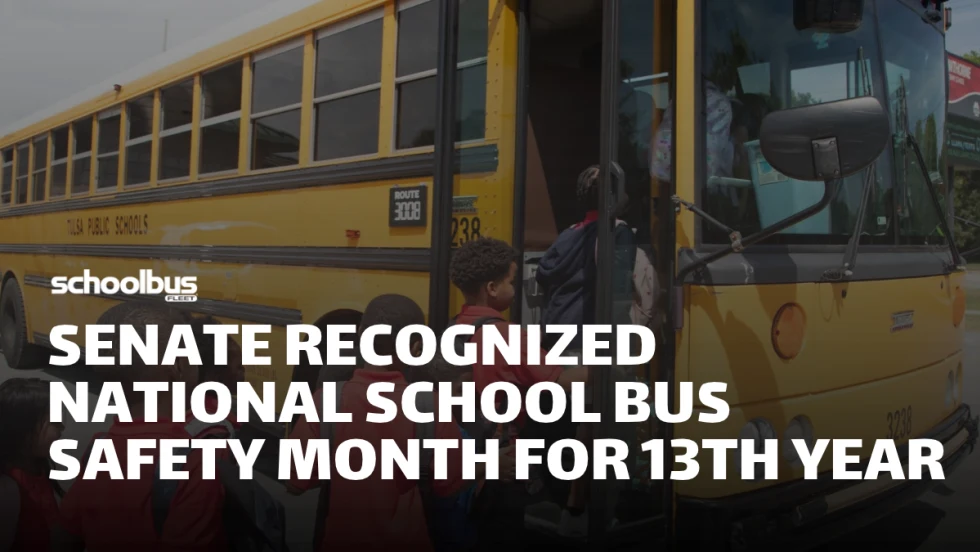
What the 2026 National School Bus Safety Month Resolution Means for Student Transportation
The bipartisan resolution highlights illegal school bus passing, student safety during loading and unloading, and the need for driver training and public education.
Read More →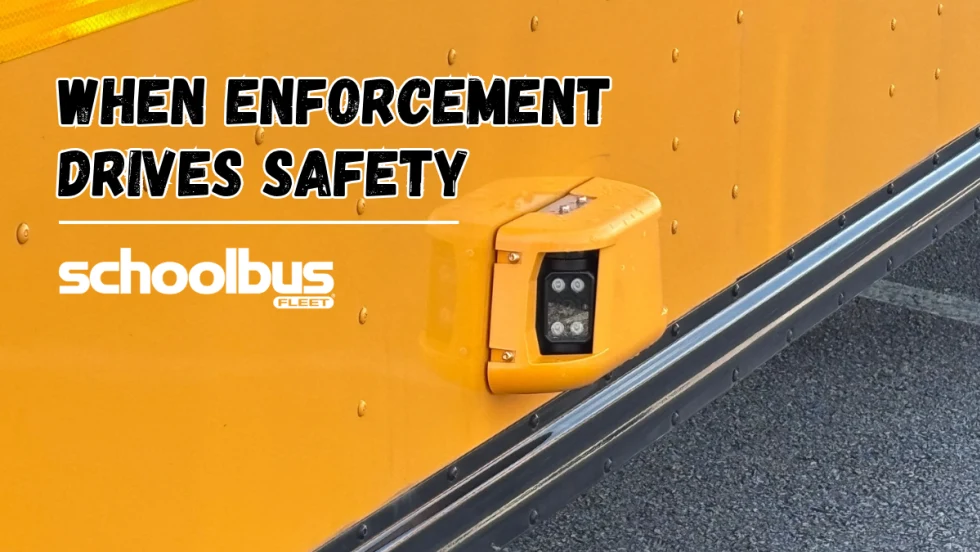
School Bus Stop-Arm Violations Decline 53% Across Verra Mobility Programs
Verra Mobility shares how school bus stop-arm cameras and school zone safety programs are changing driver behavior, reducing violations, and protecting students.
Read More →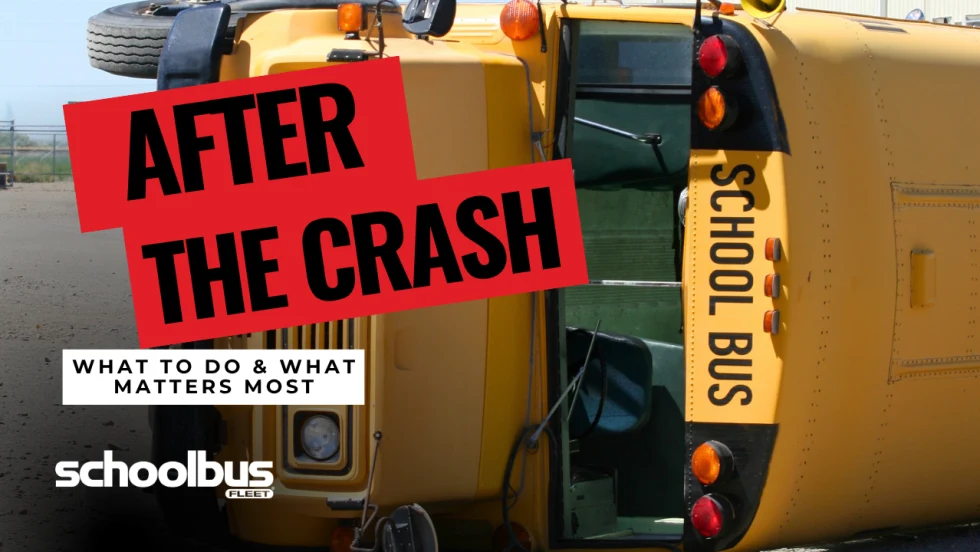
Most Bus Crashes Aren’t Your Fault. Here’s How to Prove It.
A guide for what to do in between a school bus crash and a claim: what to preserve, who to notify, and how to keep the facts available when they matter.
Read More →
National School Bus Safety Week 2026: Tips, Toolkits & Resources to Keep Students Safe
School bus safety takes more than awareness. Explore expert tips, enforcement strategies, and free resources to help protect students on every ride.
Read More →