




News from Washington is more than the campaign
Believe it or not, there are other things happening in the political world, although you wouldn’t know it from the network TV coverage. Surprisingly, some of them could affect the pupil transportation industry. More surprisingly, they could have a positive effect.
We’re bombarded daily by news coverage of the presidential campaign. Bush vs. McCain. Gore vs. Bradley. Negative ad campaigns. Debate gaffes. Whopping fibs. The wives. The families. Details you never wanted to know. It’s enough to make a grown man turn off the TV. Believe it or not, there are other things happening in the political world, although you wouldn’t know it from the network TV coverage. Surprisingly, some of them could affect the pupil transportation industry. More surprisingly, they could have a positive effect.
Help with driver retention?
Let’s start with President Clinton and the Republicans. They apparently agreed to push for changes in Social Security laws that would encourage millions of people 65 and older, including school transportation employees, to continue to work. The possible impact could be a dent in the bus driver shortage that has crippled school bus operations around the country. What Clinton and key congressional Republicans would like to do is eliminate the penalty on Social Security beneficiaries who earn more than $17,000 per year. Under existing laws, Americans 65 and older lose one dollar in Social Security benefits for every three dollars earned above $17,000. Obviously, this is a strong disincentive to continue working. The time is right to remove this earnings penalty. Let’s encourage as many older Americans as possible to stay on the job, especially if they’re school transportation professionals. In other developments, President Clinton signed H.R. 3419 earlier this year, the Motor Carrier Safety Improvement Act of 1999. This act creates a separate motor carrier administration within the U.S. Department of Transportation called the Federal Motor Carrier Safety Administration (FMCSA). Although the main thrust of this new agency will be to improve the safety of over-the-road trucks and motorcoaches, the school bus industry will undoubtedly be affected, especially since the FMCSA has been charged with improving the CDL licensing program. As part of the licensing effort, the FMCSA has been directed to issue a rulemaking for a special CDL endorsement for school bus drivers. This would not be a restrictive CDL, which would allow the licensee to drive only a school bus, but it would require the applicant to complete school bus-specific skills and knowledge tests to receive the endorsement.
Physician certification ahead?
What’s interesting is another idea being considered by the FMCSA — the certification of physicians who perform the driver physicals. As most of you probably know, the bus driver who was involved in the terrible motorcoach accident in New Orleans that killed 22 people should not have passed his physical. His doctor ignored a serious heart ailment that may have contributed to the catastrophic crash. FMSCA officials say they will consider revamping medical exam requirements to mandate that they be performed by certified physicians. As a precedent, airline pilots must pass physicals given by FAA-certified doctors. The next step would be to require that school bus drivers be medically certified by physicians who have undergone training in performing transportation exams. This could create additional barriers to recruitment of bus drivers, already a challenge in most parts of the country. If the nearest certified physician is located 100 miles from the bus terminal, how many driver applicants will make that trip? I’m not convinced that this industry needs to shore up its physical exam procedures. Although school bus driving is a strenuous enterprise, it’s not in the same league as long-haul trucking or interstate motorcoach driving. Let’s hope that the FMSCA looks long and hard at the merits of this certification program
More Safety
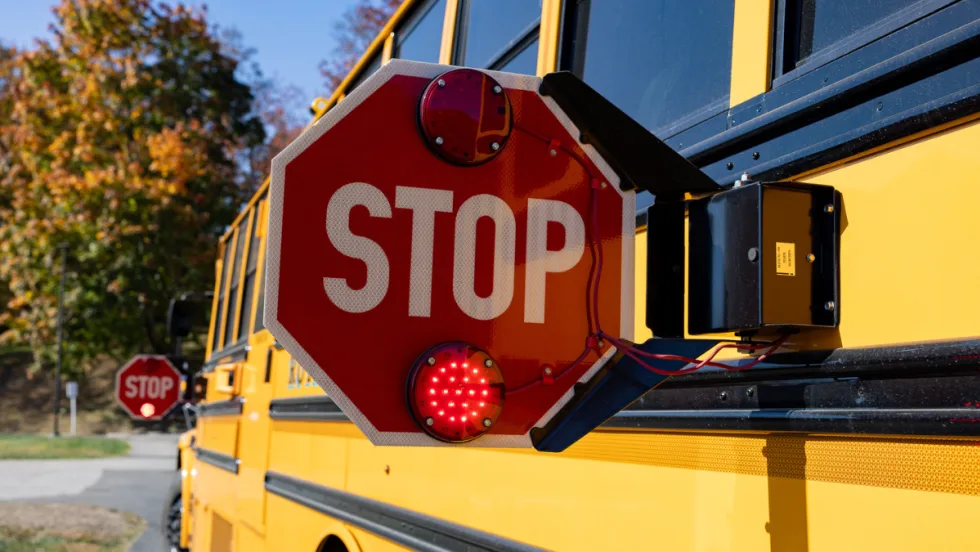
Illegal School Bus Passing Drops 24% in New York Districts
With fewer than 5% of citations involving repeat offenders, Westchester County officials said enforcement, education, and community partnerships are helping change driver behavior.
Read More →
School's Back. Here's What Happened to Traffic, Speeding & Distraction
What happens to traffic when school resumes? New data analysis examines changes in distracted driving, congestion, and speeding around schools.
Read More →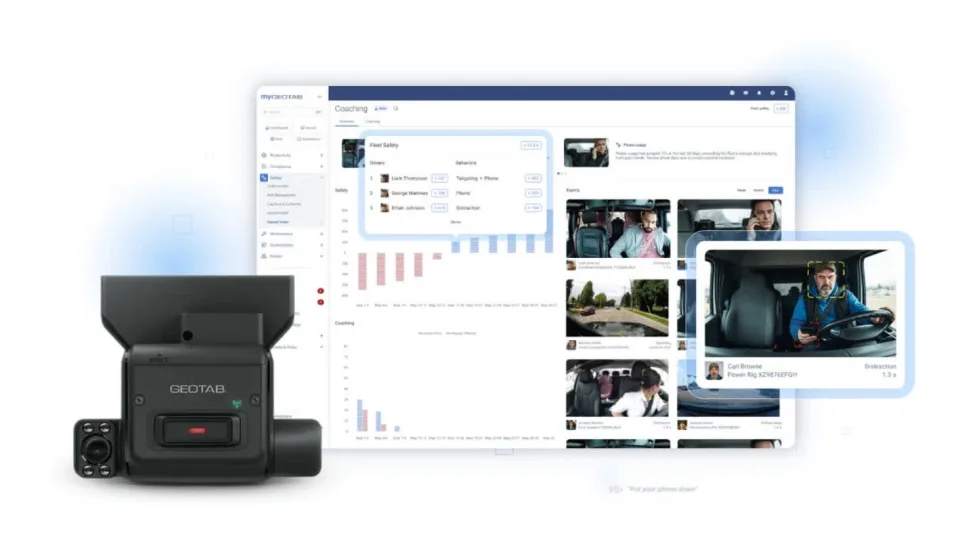
Geotab Expands Fleet Safety Tools With Video Coaching, Risk Insights
New safety and video capabilities aim to help fleet managers assess risk, support drivers, and take targeted action through video coaching, red-light violation detection, and more.
Read More →
How to Build a Better School Bus Driver Training Program
Is it time to strengthen your driver training? Here’s how to pick the right talent and improve recruitment, retention, and safety. This video is brought to you by IC Bus.
Read More →
Recent School Bus Accidents Leave 2 Dead, 2 Injured
Four school bus crashes in Florida, Illinois, and Georgia highlight risks in transportation lots, at bus stops, and during student loading and unloading.
Read More →
When Every Second Matters, Clarity Keeps Routes Moving
From routine delays to urgent incidents, strong communication practices help drivers, dispatchers, schools, and families respond with confidence.
Read More →
What Happens When a School Bus Catches Fire — and What Can Help
School bus fires are rare but can be devastating. Learn how advances in fire suppression and asset protection help fleets detect fires earlier, reduce damage, and improve safety.
Read More →
Geotab Launches Tool to Help Fleets Investigate Road Incidents
Geotab Investigations combines telematics data, video, documents, and other evidence to help fleets reconstruct incidents, resolve claims, and determine what happened.
Read More →
Texas Sixth Grader Wins 2026 National School Bus Safety Poster Contest
Sai Darshana Yekolu of Moseley Middle School in Prosper, Texas, was named the newest winner for her artwork, bringing the theme of “Safe Rides, Everyday Heroes” to life.
Read More →
Doing More With Less: How Transportation Directors Can Prioritize Safety Amid Budget Uncertainty
With diesel prices soaring and nearly one-third of transportation directors expecting budget cuts, maintaining student safety has never been more challenging. Download this guide to learn how leading districts are prioritizing risk, funding critical safety technology, and building stronger budget cases with data.
Read More →