




NAPT News & Views — We Didn't Start the Fire, But Let’s Do Something About It
Some in Congress are talking about cuts to Medicaid in the range of 25% to 35%, which would likely have a significant ripple effect on school budgets. And when school budgets are affected, school transportation will be affected.
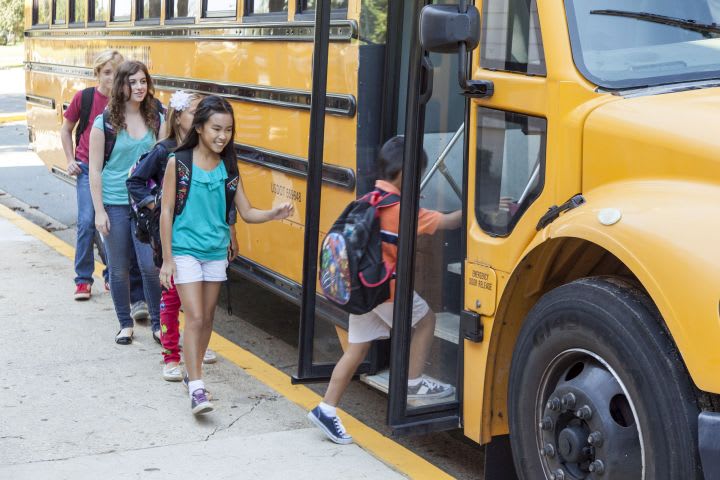
Photo courtesy NHTSA
Photo courtesy NHTSA
Billy Joel’s hit song “We Didn’t Start the Fire” cleverly strings together many historic names and events to highlight the calamities and uncertainties of the world. For those of you not familiar with the iconic lyrics, the chorus says:
“We didn’t start the fire/ It was always burning since the world’s been turning/We didn’t start the fire/ No, we didn’t light it, but we tried to fight it.”
The song came to mind when I sat down to write this column in early April. Protests, marches, and contentious “town hall” meetings seem to happen almost every day across the nation. It’s no wonder;
Washington, D.C., the heart of our government, remains a hotbed of disagreement and partisanship, gridlocked on a wide variety of public policy issues.
At this point, you may be saying, “Tell me something I don’t know.” I don’t like being the canary in the coal mine, but here goes.
Some in Congress are talking about cuts to Medicaid in the range of 25% to 35%, which would likely have a significant ripple effect on school budgets. And when school budgets are affected, school transportation will be affected.
Several issues are flying under the radar yet are worthy of your attention — not just as school transportation professionals, but also as concerned citizens. In my previous column, I flagged a big one: news reports about underfunded public pension plans that could impact the retirement plans of tens of thousands of employees in our industry.
Now consider another issue, from a March 30 report by the non-partisan Congressional Budget Office (CBO): “At 77 percent of gross domestic product (GDP), federal debt held by the public is now at its highest level since shortly after World War II. If current laws generally remained unchanged, the Congressional Budget Office projects, growing budget deficits would boost that debt sharply over the next 30 years; it would reach 150 percent of GDP in 2047. The prospect of such large and growing debt poses substantial risks for the nation and presents policymakers with significant challenges.”
According to the CBO, the increase in debt is being fueled by three major federal expenditures: Social Security, health care programs (like Medicare and Medicaid), and interest on the debt itself.
With an aging population and rising health costs, these programs will continue to expand and revenue will not keep up. Ultimately, it means a future where policymakers will have little flexibility to pay for existing priorities, much less unforeseen events.
I’m not just talking about this because I’m getting older. This affects you, your children, and your grandchildren, too. In fact, it affects anyone who cares about and is involved in educating kids.
For example, the American Association of School Administrators recently published a report and survey, “Cutting Medicaid: A Prescription to Hurt the Neediest Kids,” pointing out that Medicaid provides schools with reimbursements for certain medical services to eligible students under the Individuals
with Disabilities Education Act. In short, school districts rely on this revenue to pay for key personnel who provide services for students with disabilities and critical health services to students in poverty.

Mike Martin is executive director of NAPT.
Why does that matter? Because some in Congress are talking about cuts to Medicaid in the range of 25% to 35%, which would likely have a significant ripple effect on school budgets. And when school system budgets are affected, school transportation will be affected, too.
So now is the time for you to think bigger, to think “outside the box,” and to become more informed and more actively involved in shaping the future. And here’s a great way to start: visit www.schoolbusfacts.com.
My friend and colleague Ronna Weber, executive director of the National School Transportation Association, spearheaded a collaborative effort by the American School Bus Council and the National
Highway Traffic Safety Administration to create an amazing variety of downloadable resources to help you understand, explain, and show policymakers the importance of school transportation.
These resources have three primary objectives:
1. Explaining the benefits of school bus ridership.
2. Helping communities understand how to keep children safe in and around the school bus.
3. Letting others know about the ways they can support the school bus in their community.
The material is available for anyone to use and is free of copyright restrictions. I encourage you to visit this fantastic new website, read the information, and then help spread the word.
As you engage in discussions on these important topics, please strive to do so with civility and respect for differences in opinion. Reasonable, even-tempered debate is usually helpful, whereas belligerent,
confrontational interactions are typically counterproductive. It seems to me there is too much of the latter and not enough of the former going on in the world right now.
In closing, consider this paraphrase of the last chorus of Billy Joel’s song:
“We didn’t start the fire/ It was always burning since the world’s been turning/Yes, we didn’t start the fire/ But when we are gone/ Will it still burn on, and on, and on, and on?”
More Management

EverDriven Launches Route Consolidation Calculator to Estimate Diesel Savings
As diesel prices hit record highs, the largest alternative transportation provider says a 10% route consolidation could save a 120-route district more than $78,000 a year in fuel alone.
Read More →
Zum Secures Continued Financing Support for School Bus Expansion
Generate Private Credit has financed approximately $75 million in school bus deployments across three states, supporting more than 500 buses as Zum expands across the county.
Read More →
Beyond Discipline: A Different Approach to Student Behavior on the Bus
After implementing a dean of students program in Oregon, North Clackamas is seeing positive improvements. Here’s how it worked. The Route is brought to you by IC Bus.
Read More →
A Dean of Transportation's Different Approach to Student Behavior on the School Bus
After implementing a dean of students program in Oregon, North Clackamas is seeing positive improvements on the bus. Here’s how it worked.
Read More →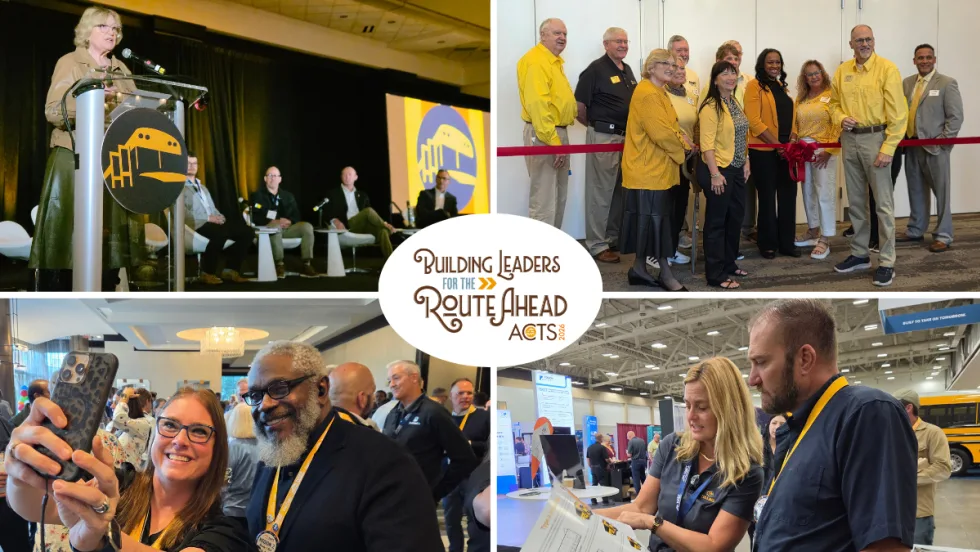
Inside NAPT ACTS 2026: Highlights from Louisville
From federal updates and student behavior strategies to new school bus technology and industry awards, see highlights from NAPT ACTS 2026 in Louisville.
Read More →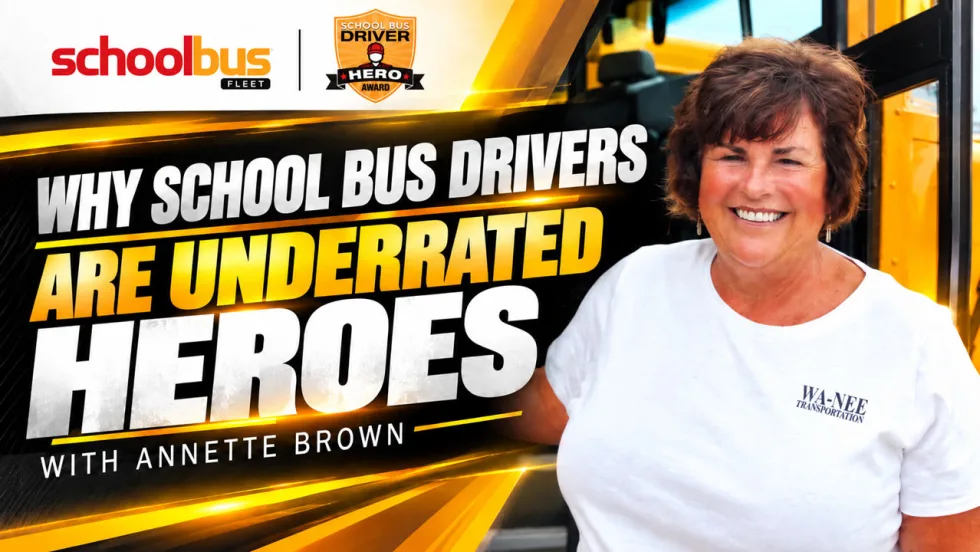
Meet the 2025 School Bus Driver Hero Winner: Annette Brown
We caught up with Wa-Nee Community Schools' Annette Brown on site at SBFX, where she was named the 2026 School Bus Driver Hero Award winner. Hear about her reaction, what she loves most about being a school bus driver, and more!
Read More →
Predictability Is Like Ketchup (According to 6-Year-Olds)
To students, a different school bus can feel like a full-blown crisis. One driver reflects on why familiar routines, showing up on time, and being reliably boring matter more than we think.
Read More →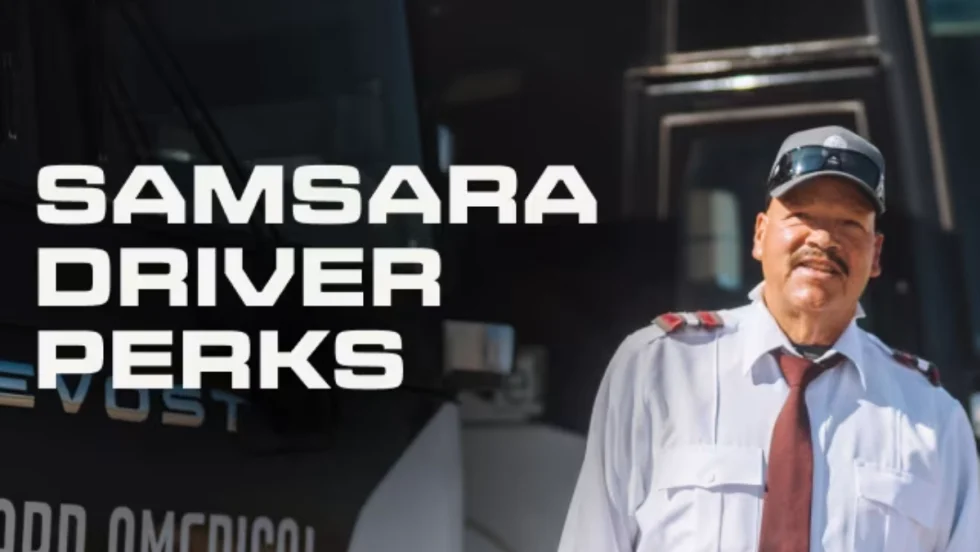
Samsara Launches Free Driver Rewards Program
The new Driver Perks program gives eligible professional drivers access to discounts and offers without adding a cost for participating fleets.
Read More →
How Tax-Exempt Municipal Leases Can Help Finance School Buses
Let’s explore school bus financing options, including municipal leases, vendor payable accounts, and balloon payments, and how they can help stretch fleet budgets.
Read More →
Nominate Rising School Transportation Pros Under 40!
We’re searching for the next generation of leaders making an impact across the K-12 student transportation industry to recognize as SBF’s 2027 Trailblazers. Nominations are open now!
Read More →