




NAPT News & Views — Through the Looking Glass at 2017
NAPT's executive director says the issue the association would like resolved decisively is seat belts in large school buses.
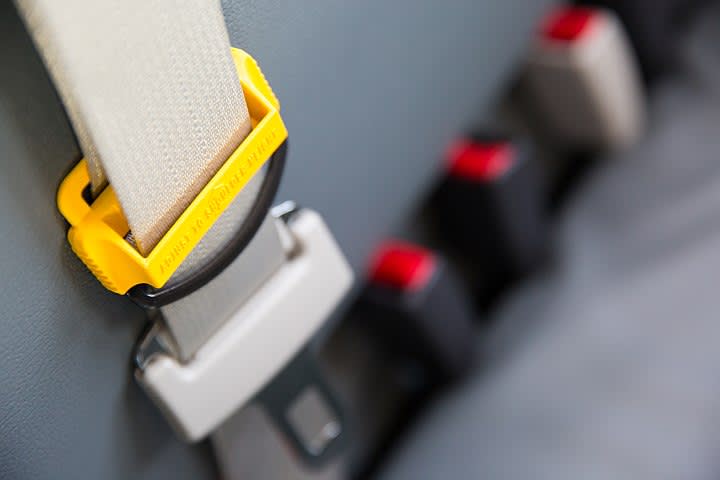
Photo courtesy Des Moines (Iowa) Public Schools
Photo courtesy Des Moines (Iowa) Public Schools
In the aftermath of a very unusual and contentious national election, it appears we may be in for more of the same in 2017 as the policy pieces come together.
One thing I think we can all agree on is that with the White House and both houses of Congress held by the same party, changes to the status quo are coming. As always in our system of government, there will be a lot of back and forth and agreement to disagree.
The same challenges and questions that we faced in 2016 and previous years will still be around. But longstanding federal budget prerogatives and philosophical approaches to policymaking will all be in play and subject to new direction from a president who makes no bones about not liking the established ways in Washington, D.C., and pledges decisive action.
The issue we would like resolved decisively is seat belts in large school buses. Yes, there have been recommendations and opinions calling for them, but absent a federal requirement for them, we feel the existing regulatory record dating back several years contains statements that send a conflicting message to local decision-makers who are trying to make good policy and resource decisions about how best to improve the safety of children in school buses.
So, in 2017 we will work to seek more clarity on this subject for states, school systems, and their product and service providers.
The issue we would like resolved decisively is seat belts in large school buses. … We feel the existing regulatory record dating back several years contains statements that send a conflicting message to local decision-makers.
We will also continue to advocate for more attention to the safety of children while getting on and off their school bus. For example, we’ll seek to improve enforcement and public information directed at what seems to be an epidemic of motorists illegally passing stopped school buses when prominent lights are flashing and stop arms are out. We’ll also redouble our ongoing efforts working with the Department of Homeland Security (DHS) to make sure school buses are as secure as humanly possible with the terrorism realities our country faces.
There is likely to be added impetus for our priorities. Following fatal school bus crashes in Baltimore, Maryland, and Chattanooga, Tennessee, that made national news, legislation was introduced in both the U.S. Senate and House to address belts on buses, illegal passing of stopped school buses, and driver history/background checks. We expect there will be congressional hearings to further map out federal action to address how such tragedies could be prevented.
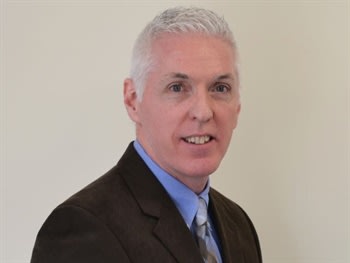
Mike Martin is executive director of NAPT.
While our overall safety record is the best in the transportation industry, continuously striving to do even more is our culture, and we look forward to participating in the discussion.
Soon after Inauguration Day, Jan. 20, it’s customary for new political appointees at federal agencies to schedule introduction meetings with stakeholder organizations. DHS, the National Highway Traffic Safety Administration, and the Federal Motor Carrier Safety Administration will be high on our list for such visits.
These brief meetings are not intended to be working sessions — just an overview so the new staff knows who we are and the biggest issues on our radar screen. We expect to briefly share our experience working with the agencies, pledge to work collegially, and encourage partnership to make what is already the safest form of transportation even safer.
In the meantime, even at this time of great change in the land, I’m confident that some things will never change. In every city and town, you will continue to set your alarm clocks to ring in the wee small hours, and you will go to work each day with the safety and security of our system foremost in mind. Thank you, all of you, for what you do.
Let’s all work to make 2017 a good one in terms of safety, professional development, driver recruitment, and innovation to make what we do even more successful.
More Management
EverDriven Launches Route Consolidation Calculator to Estimate Diesel Savings
As diesel prices hit record highs, the largest alternative transportation provider says a 10% route consolidation could save a 120-route district more than $78,000 a year in fuel alone.
Read More →
Zum Secures Continued Financing Support for School Bus Expansion
Generate Private Credit has financed approximately $75 million in school bus deployments across three states, supporting more than 500 buses as Zum expands across the county.
Read More →
Beyond Discipline: A Different Approach to Student Behavior on the Bus
After implementing a dean of students program in Oregon, North Clackamas is seeing positive improvements. Here’s how it worked. The Route is brought to you by IC Bus.
Read More →
A Dean of Transportation's Different Approach to Student Behavior on the School Bus
After implementing a dean of students program in Oregon, North Clackamas is seeing positive improvements on the bus. Here’s how it worked.
Read More →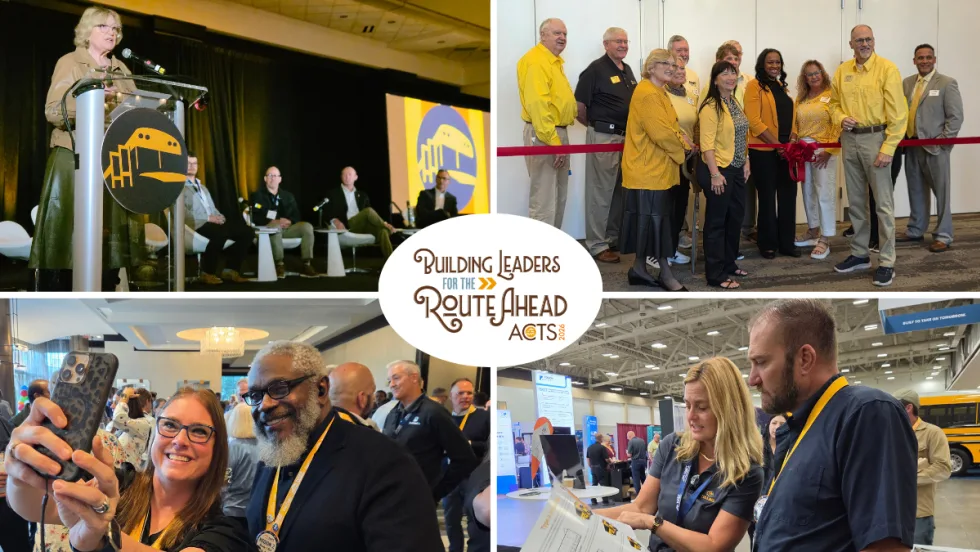
Inside NAPT ACTS 2026: Highlights from Louisville
From federal updates and student behavior strategies to new school bus technology and industry awards, see highlights from NAPT ACTS 2026 in Louisville.
Read More →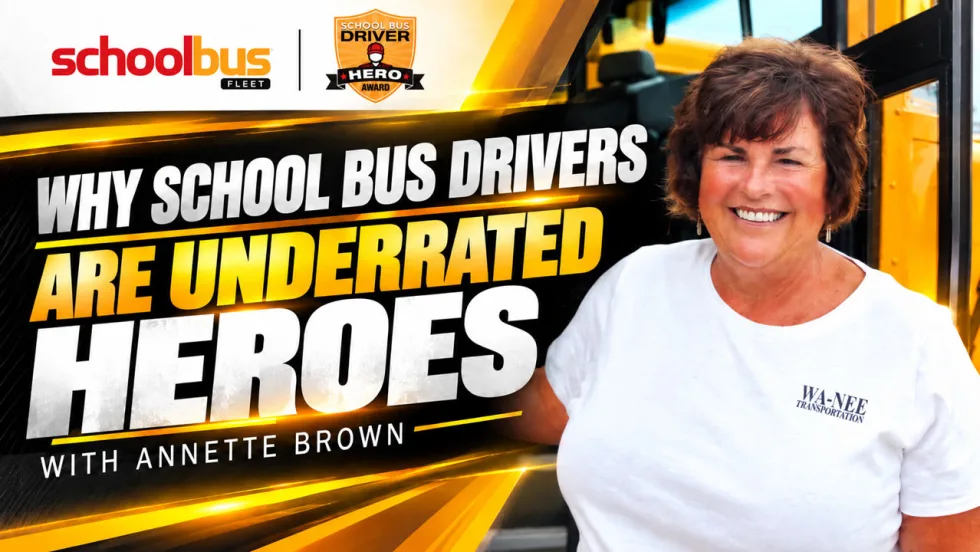
Meet the 2025 School Bus Driver Hero Winner: Annette Brown
We caught up with Wa-Nee Community Schools' Annette Brown on site at SBFX, where she was named the 2026 School Bus Driver Hero Award winner. Hear about her reaction, what she loves most about being a school bus driver, and more!
Read More →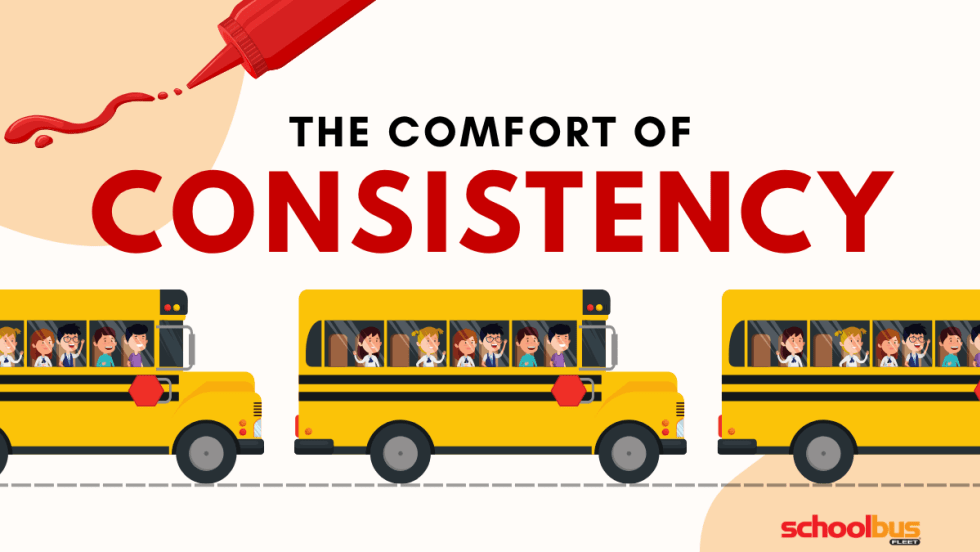
Predictability Is Like Ketchup (According to 6-Year-Olds)
To students, a different school bus can feel like a full-blown crisis. One driver reflects on why familiar routines, showing up on time, and being reliably boring matter more than we think.
Read More →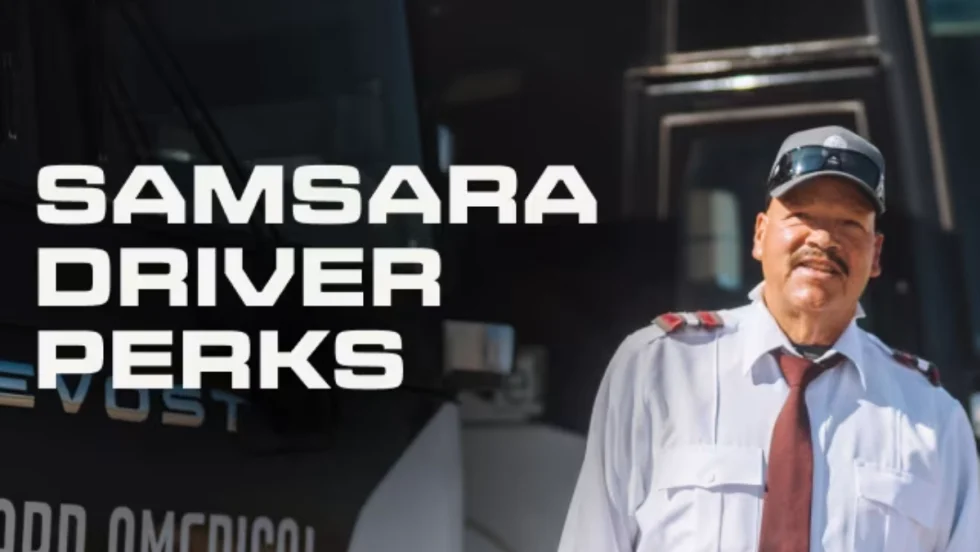
Samsara Launches Free Driver Rewards Program
The new Driver Perks program gives eligible professional drivers access to discounts and offers without adding a cost for participating fleets.
Read More →
How Tax-Exempt Municipal Leases Can Help Finance School Buses
Let’s explore school bus financing options, including municipal leases, vendor payable accounts, and balloon payments, and how they can help stretch fleet budgets.
Read More →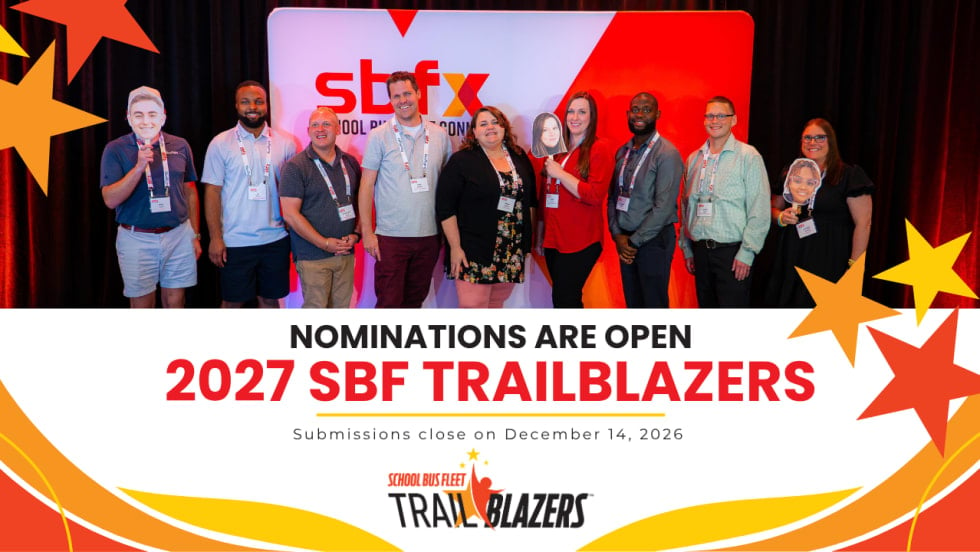
Nominate Rising School Transportation Pros Under 40!
We’re searching for the next generation of leaders making an impact across the K-12 student transportation industry to recognize as SBF’s 2027 Trailblazers. Nominations are open now!
Read More →