




NAPT News & Views — Market disruptors make waves to ride them
There is a need for our industry to be more cognizant of "market disruptors" — people or organizations that redefine the status quo and then use the entropy they create to profit from the change they bring to the marketplace.

Michael Martin is executive director of NAPT.
A house guest visiting recently said proudly that he “can’t start my day without a cup of joe.” He loves his morning coffee and admitted to being very ritualistic about the experience.
After a couple days using a new coffee machine, he said he “loved the taste and experience” but wasn’t convinced that it was enough to justify the cost of a new machine or to change his habit of using a different machine.
The familiarity of the status quo — life’s daily habits, practices and rituals — provides a sense of comfort, safety and predictability that many people crave. At a time of great change in the world, having a stable foundation for your personal and professional life is good and reassuring. But, it shouldn’t be so rigid that anything new is dismissed and changes are not contemplated. If we don’t anticipate change, others will, taking away our ability to shape the future.
NAPT recently completed professionally facilitated strategic planning training to bring the board and staff together for an honest discussion about changes in our industry, and how we can better serve those who look to NAPT for leadership and anticipate societal trends likely to impact pupil transportation in the years ahead.

Barry McCahill is president of McCahill Communications Inc. and NAPT public affairs consultant.
Our facilitator was a candid and plain-spoken outsider who pointed out that the school transportation industry, and most of the organizations and people in it, are not unlike other large industries that tend to become insular, talking mostly among themselves, reassuring each other that what they are doing is “right” and “important” and “what people need.” He encouraged us to disrespect the status quo, discuss sensitive topics and challenge each other with hard, sometimes uncomfortable questions. It was an enlightening experience, and we are a better organization because of it.
A very important take-away from our discussion is the need for our industry to be more cognizant of “market disruptors” — people or organizations that redefine the status quo and then use the entropy they create to profit from the change they bring to the marketplace.
For example, the taxi business got caught flat-footed by a market disruptor that has redefined the way to hail a cab. Traditional taxi service has been the status quo, seemingly forever. And, yes, taxi drivers have their expensive medallions that supposedly give them exclusive access to the market — and protection from the agencies that issue and regulate them. But put yourself in the shoes of a city council member torn between budget priorities, and along comes a company with a new idea that relieves some of the pressure. It is no wonder there is heated debate and life-or-death battles in that market space.
Now imagine that the city council member is a school board member and applies the same political calculus. Forget the obvious concerns we would have. These are tough times, and for elected officials trying to solve problems and save money, it’s the bottom line that often trumps other arguments. And remember that for at least a decade, Chicago and Detroit have been using taxis to provide transportation for students with special needs, so there is precedent.
Think it couldn’t happen in your state? What happened in Idaho recently is instructive. A company called Uber entered the taxi market in Boise and ignited a debate about local government prerogatives over taxis vs. the free market. At first, Uber was stopped from operating. But that changed.
The Idaho Statesman summed up the situation this way: “Gov. Butch Otter cleared Uber’s path to resume operations in Boise and, in fact, the rest of Idaho ... when he allowed a bill that governs companies that fit Uber’s description [emphasis added] to become law without signing it. The law, written by Uber, offers less strict regulations on so-called ‘transportation network companies’ than the City of Boise wanted to impose. It also prohibits cities from making their own laws to regulate this type of business.
“Those details presented a dilemma for the governor. On the one hand, he believes Uber is ‘operating in the best traditions of the free market — identifying a niche, developing a response to consumer demand, and making that service work at a profit within the confines of an often confusing patchwork of local regulatory limitations.’ …
“On the other hand, Otter said he had reservations about taking authority away from local governments and potentially picking a winner in the broader transportation-for-hire competition” [emphasis added].
Now, we want to state emphatically that this situation is currently a hypothetical regarding pupil transportation. But it’s instructive about the kind of strategizing we need to do now rather than muster our energies if/when a threat arrives.
We thank our friend, colleague and longtime NAPT member Ned Einstein for challenging us to write about this issue, and we urge our readers to participate in forward-looking discussions about how we operate. Market disruptors are everywhere, so we need to be wary — not just a chorus singing the status quo.
More Management

EverDriven Launches Route Consolidation Calculator to Estimate Diesel Savings
As diesel prices hit record highs, the largest alternative transportation provider says a 10% route consolidation could save a 120-route district more than $78,000 a year in fuel alone.
Read More →
Zum Secures Continued Financing Support for School Bus Expansion
Generate Private Credit has financed approximately $75 million in school bus deployments across three states, supporting more than 500 buses as Zum expands across the county.
Read More →
Beyond Discipline: A Different Approach to Student Behavior on the Bus
After implementing a dean of students program in Oregon, North Clackamas is seeing positive improvements. Here’s how it worked. The Route is brought to you by IC Bus.
Read More →
A Dean of Transportation's Different Approach to Student Behavior on the School Bus
After implementing a dean of students program in Oregon, North Clackamas is seeing positive improvements on the bus. Here’s how it worked.
Read More →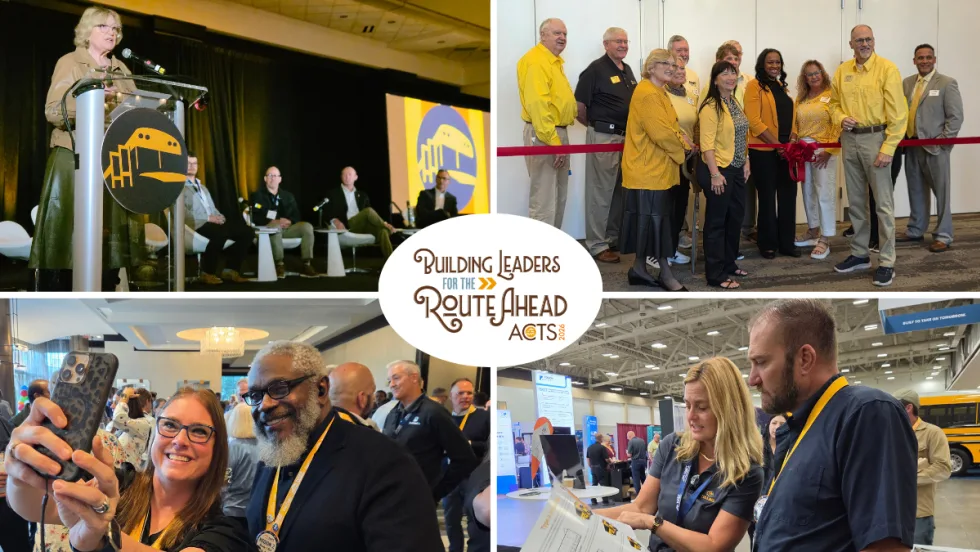
Inside NAPT ACTS 2026: Highlights from Louisville
From federal updates and student behavior strategies to new school bus technology and industry awards, see highlights from NAPT ACTS 2026 in Louisville.
Read More →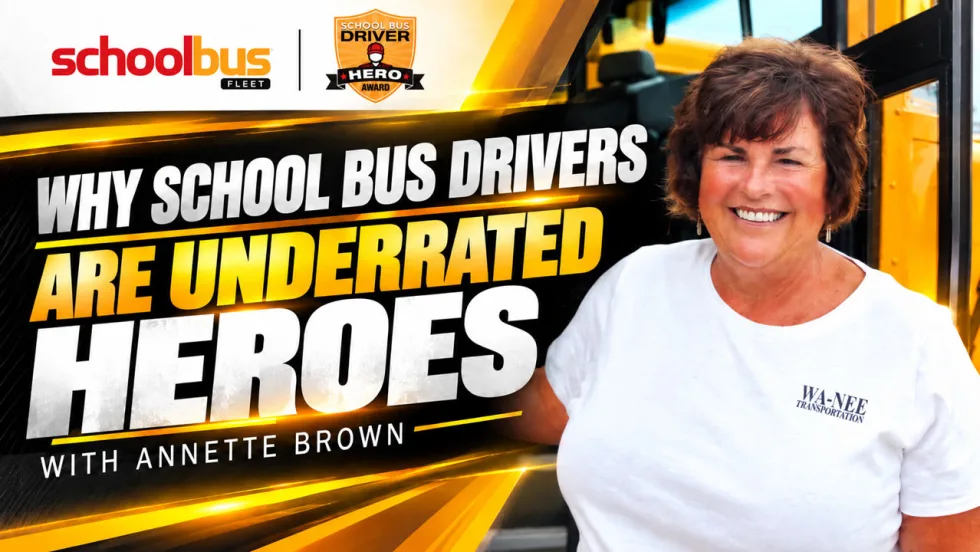
Meet the 2025 School Bus Driver Hero Winner: Annette Brown
We caught up with Wa-Nee Community Schools' Annette Brown on site at SBFX, where she was named the 2026 School Bus Driver Hero Award winner. Hear about her reaction, what she loves most about being a school bus driver, and more!
Read More →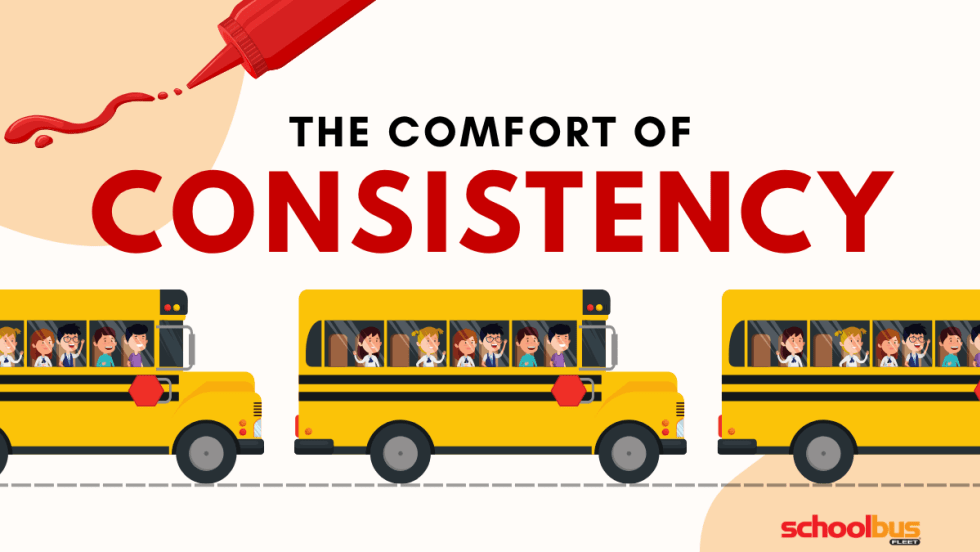
Predictability Is Like Ketchup (According to 6-Year-Olds)
To students, a different school bus can feel like a full-blown crisis. One driver reflects on why familiar routines, showing up on time, and being reliably boring matter more than we think.
Read More →
Samsara Launches Free Driver Rewards Program
The new Driver Perks program gives eligible professional drivers access to discounts and offers without adding a cost for participating fleets.
Read More →
How Tax-Exempt Municipal Leases Can Help Finance School Buses
Let’s explore school bus financing options, including municipal leases, vendor payable accounts, and balloon payments, and how they can help stretch fleet budgets.
Read More →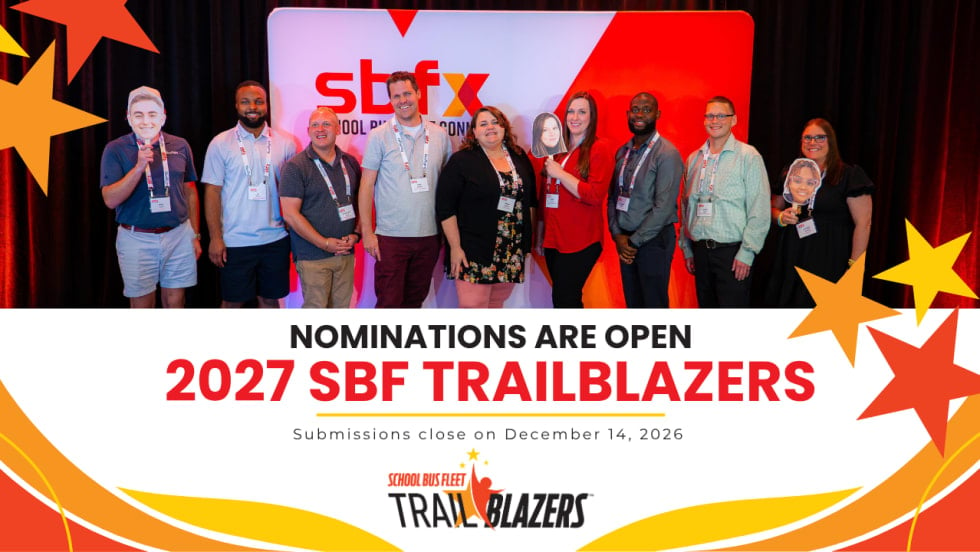
Nominate Rising School Transportation Pros Under 40!
We’re searching for the next generation of leaders making an impact across the K-12 student transportation industry to recognize as SBF’s 2027 Trailblazers. Nominations are open now!
Read More →