




NAPT News & Views — Complacency: the Enemy That Must Be Defeated
Tragic incidents cause us to rethink everything we do and double down on measures we believe will make the system even safer.
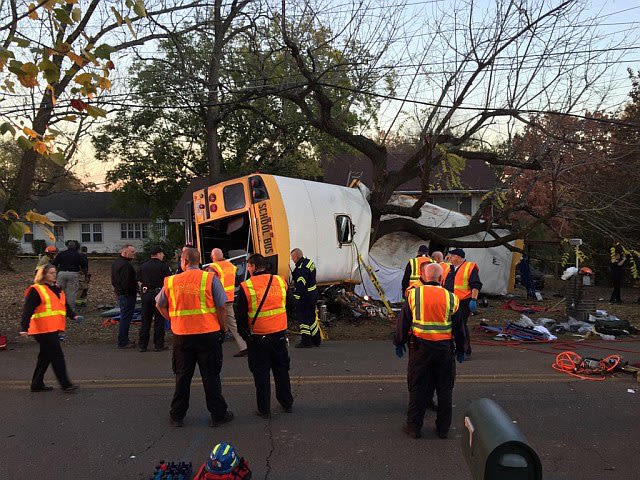
Photo courtesy Chattanooga Fire Department
Photo courtesy Chattanooga Fire Department
As the nation inaugurates a new president after one of — if not the — most contentious political seasons ever, significant shifts in personnel and ideas are in the making, which is always the case when a new administration takes over.
It’s too early to know how pupil transportation will be affected, beyond knowing for certain that it will be affected because politics affects every aspect of our society.
Pupil transportation, however, may be among the least vulnerable to big changes. Americans of all stripes value our education system, and the safety and performance of the yellow school bus is emblematic of a government service that provides solid value. Some 25 million children depend on yellow school buses twice every school day, as do their parents and educators who understand that learning is facilitated by transportation that makes the school day predictable for children and teachers alike.
Nonetheless, in the age of 24/7 news cycles and social media, even the best public perceptions can be harmed very quickly. After any significant tragedy, there is the invariable demand that elected officials “do something.”
Unfortunately, solutions crafted in the emotion of the moment don’t always result in the best policies. That’s one of the reasons I believe it’s far preferable to self-start — planning and training continuously to avoid as many incidents as humanly possible.
Complacency is an enemy that must always be defeated.
In the last two months of 2016, there were two tragic school bus crashes — in Baltimore, Maryland, and Chattanooga, Tennessee — that made national news. Both involved loss of life and serious charges about driver behavior. The Chattanooga crash claimed the lives of six children riding in the bus; this single, horrific event had more fatalities than the long-standing annual average for our industry.
Such tragedies, which fortunately are relatively rare events, reverberate powerfully not just in the media but also through school districts coast to coast. We are an industry run by parents and grandparents of children who also ride yellow buses, and any serious crash hits our professional community hard.

Mike Martin is executive director of NAPT.
Though human enterprise is never perfect, to paraphrase Ernest Hemingway in A Farewell to Arms, we’re stronger in the places that we’ve been broken. Tragic incidents cause us to rethink everything we do and double down on measures we believe will make the system even safer.
Driver qualifications and training are linchpins of our safety culture. Most school districts require extensive screening of drivers and continuous training, and these are recurrent topics at NAPT and other industry conferences.
The public expectation is that large rigs that share the road with the rest of us, including school buses, be driven by professionals who are screened carefully, trained continuously, and drive competently. All school districts must make this a fundamental commitment.
And to drive that point home, the federal government announced last month new requirements for all new commercial drivers. After years of discussion and fact-finding stemming from a 2012 congressional mandate, and too many serious crashes involving heavy vehicles, in December the Federal Motor Carrier Safety Administration issued a new rule for minimum training requirements for all entry-level commercial truck and bus drivers, including school bus drivers.
According to U.S. Transportation Secretary Anthony Foxx, “Ensuring that drivers are properly trained is a critical element in improving road safety for everyone. The entry-level training standards for large truck and bus operators put forth today exemplify a commitment to safety from a broad coalition of commercial vehicle stakeholders.”
The rule generally does not replace or otherwise supersede state-based entry-level driver requirements that exceed these new minimum federal standards when a driver obtains training in that state. This was something NAPT requested during the rulemaking process.
The compliance date is Feb. 7, 2020, which is three years after the effective date of the final rule. The three-year phase-in provides states with time to pass necessary implementing legislation, develop compliant training, and modify their information systems to record CDL applicant compliance with the new requirements.
As with all federal rules, there is more information than room to convey it here. Readers are encouraged to go to the FMCSA website for in-depth information about the new requirements.
As we begin a new year with a new political overlay for the nation, NAPT is resolved to continue its commitment to training and improving the safety performance of all aspects of school bus transportation. In partnership with our members, we will advocate for the very best practices to ensure we continue to deliver strong value to the children, families, and schools we serve.
More Management
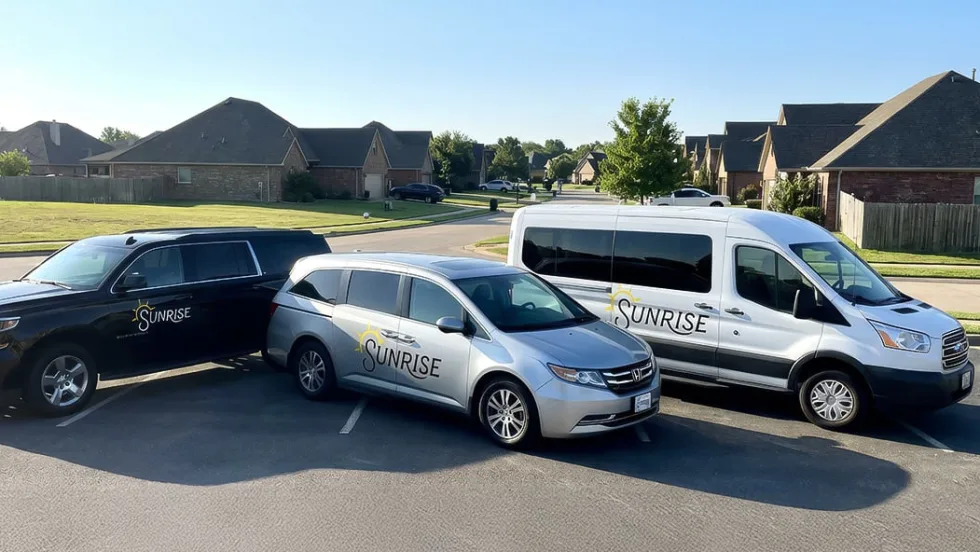
STA Acquires Sunrise Transportation
Student Transportation of America expands in Illinois and Connecticut through Sunrise's fleet of nearly 1,000 vehicles.
Read More →
EPA Opens $180M DERA Funding Round for Diesel Upgrades
The 2026 Diesel Emissions Reduction Act program seeks applications from eligible organizations to accelerate the retirement of legacy diesel vehicles.
Read More →
HopSkipDrive’s CareEngine Targets the ‘Exceptions’ in Student Transportation
The new platform works alongside districts’ existing transportation management systems to coordinate specialized rides, automate last-minute changes, and turn ride data into operational improvements.
Read More →


The Right Ride for Every Student: Navigating the New Student Transportation Ecosystem
How should districts blend school buses with small-vehicle transportation and other options? EverDriven CEO Mitch Bowling discusses safety, costs, partnerships, and strategy.
Read More →
Annette Brown Always Takes the Extra Time: Meet Our 2026 School Bus Driver Hero
For more than 30 years, the Wa-Nee Community Schools driver has treated students like family, combining safety, compassion, and servant leadership to make a lasting difference on and beyond the school bus.
Read More →
How to Build a Better Driver Training Program
Ready to boost up your school bus instructor training? Here’s how to pick the right talent and improve recruitment, retention, and safety.
Read More →
CALSTART and Forth Combine to Form Catalyst Mobility
The new name represents a renewed vision for the nonprofit focused on advancing clean, equitable, and affordable transportation solutions that move people and goods.
Read More →
What Makes a Great School Bus Driver Trainer?
Choosing the right school bus driver trainer takes more than experience. Learn six keys to selecting and developing trainers and evaluating program effectiveness.
Read More →
School Bus Contractors Expand Through New Deals, Acquisitions & Partnerships
STA's Canadian division acquires Ontario-based G&L Stevenson Transport; Durham School Services adds a new district in California; First Student expands in New Jersey; and Minnesota Coaches rebrands and acquires Halo Transportation.
Read More →
Logan Bus Company Rolls Out AI Phone System for NYC School Bus Families
A summer pilot found that AI agents could handle most routine calls, freeing up time for customer service staff to focus on emergencies and complex family concerns.
Read More →