




NAPT News & Views
Much work is being done to promote the benefits of yellow school buses since U.S. Transportation Secretary Ray LaHood approved the establishment of a public education campaign. Among the efforts is a partnership between NHTSA, the U.S. Department of Education, the American School Bus Council and NAPT to work on developing educational materials.
Public campaign taking shape
We were pleased to report last month that the National Highway Traffic Safety Administration (NHTSA) — the federal agency responsible for school bus safety — at long last agreed to help promote the benefits of yellow school buses.
To refresh the story, Transportation Secretary Ray LaHood responded to congressional letters prompted by the American School Bus Council (ASBC), and another from NAPT, urging that the safety, environmental, congestion mitigation and educational benefits of school buses is a story worth telling.
The gist of our argument to the secretary is that pupil transportation tends to be taken for granted. Parents and local policymakers alike need to hear from on high at the U.S. Department of Transportation (DOT) that it's a service that contributes much to our education and transportation systems.
LaHood granted our request and directed NHTSA to take the lead. So again this month, a big hooray from all in our industry!
NHTSA Administrator David Strickland promptly followed up with a June 28 letter to NAPT saying, "We at NHTSA recognize the importance that school buses make in providing safe transportation for our nation's schoolchildren.
In fact, we are planning to develop educational materials highlighting the benefits of school buses and promoting their use. We are currently working to determine the most effective methods for relaying this message and anticipate beginning development of educational materials in the next few months."
Moreover, Strickland didn't let any grass grow. A meeting between NHTSA, the U.S. Department of Education, ASBC and NAPT occurred in early July, at which all parties agreed to work collaboratively on developing materials that will be effective.
NHTSA wants a campaign with "grassroots appeal" and indicated that budget is available for the effort. The agency will develop a matrix of audiences, messages and potential communication channels, and work on a survey of potential target groups. At the school bus industry's request, they will also consider raising the idea of a blog item by Secretary LaHood, as well as a possible back-to-school event with the secretary.
Secretary LaHood is a powerful communicator, and we would welcome his personal involvement!
A couple of other NHTSA notes of interest: Remember the crash dummies, Vince and Larry, using their funny antics to remind you to use a seat belt? It was deemed by advertising professionals as one of the most effective public service campaigns in U.S. history. From 1985 to 1998, the crash dummies helped turn the U.S. into a nation where the majority buckle up — increasing usage from just 11 percent to 83 percent today.
But after more than a decade of the comical, voluntary approach, NHTSA decided to shift emphasis to strong enforcement of state belt laws ("Click It or Ticket"), encouraging police to write tickets for seat belt scofflaws.
They may be gone from the airwaves, but not forgotten. On July 1, the "dynamic duo" became permanent additions to the Smithsonian Institution's National Museum of American History in Washington, D.C. At a ceremony, DOT donated Vince and Larry costumes and related auto safety items that may eventually be on display.
According to LaHood, "We learned a lot from Vince and Larry about the importance of buckling up. They are a part of American culture and became household names while educating the public on seat belt use. Their message still holds true today."
Meanwhile, back at the NHTSA ranch, there's a buzz about "incomplete" record keeping involving $900 million in research projects. According to a New York Times story by reporter Christopher Jensen, the Department of Transportation's Inspector General (IG), the DOT's internal watchdog, was intent on auditing how NHTSA spent fiscal 2005-08 research funds in contracts or grants to "states, universities, commercial entities, and nonprofit organizations for their behavioral and vehicle safety research."
Some $230 million was spent in each of those years. The IG was looking into whether the agency had a system in place to "prevent fraud, waste and abuse ... based on their likelihood to reduce the number and severity of crashes" and whether NHTSA "evaluated and disseminated project results to improve safety."
In a June 17 letter to NHTSA, Joseph Comé, assistant inspector general for highway and transit audits, said the audit was stopping for two reasons:
• "... that financial and acquisitions management data on research projects was incomplete and not supported by a system of records."
• Congressional requests for IG investigations of other parts of NHTSA "required us to redeploy our resources." According to the Times story, these involve the agency's handling of the Toyota sudden acceleration case and the "Cash for Clunkers" program.
Incomplete and not supported by a system of records. Hmm. This is not good news for NHTSA. Look for congressional overseers to ask lots of questions going forward as the agency's budget and operations are reviewed, and especially in light of continuing scrutiny of its handling of the Toyota matter.
Mike Martin is executive director of NAPT. Barry McCahill is communications consultant.
More Management
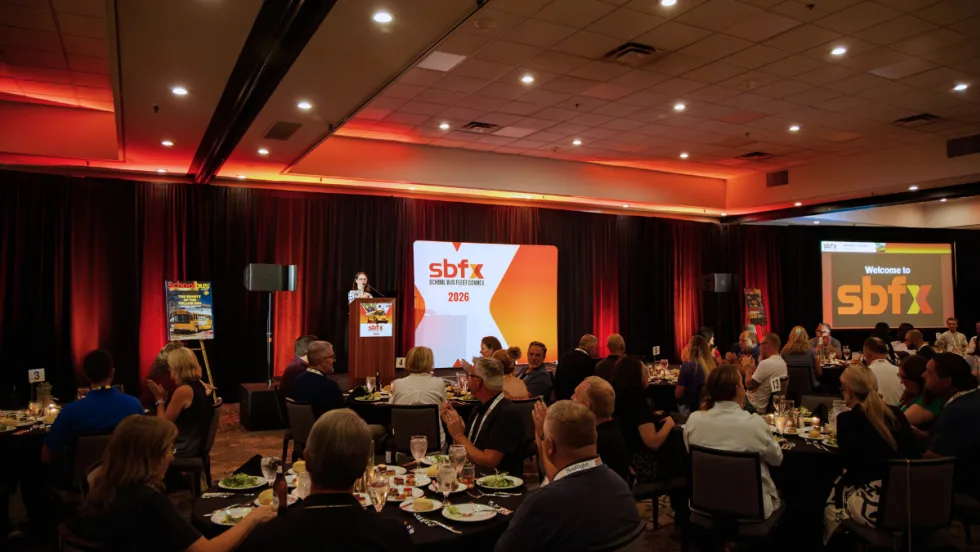
School Transportation’s Biggest Pressures and Opportunities: SBFX Attendees Weigh In
School bus operators point to rising costs, staffing, and vehicle prices as immediate pressures while identifying technology, training, and routing as opportunities for growth.
Read More →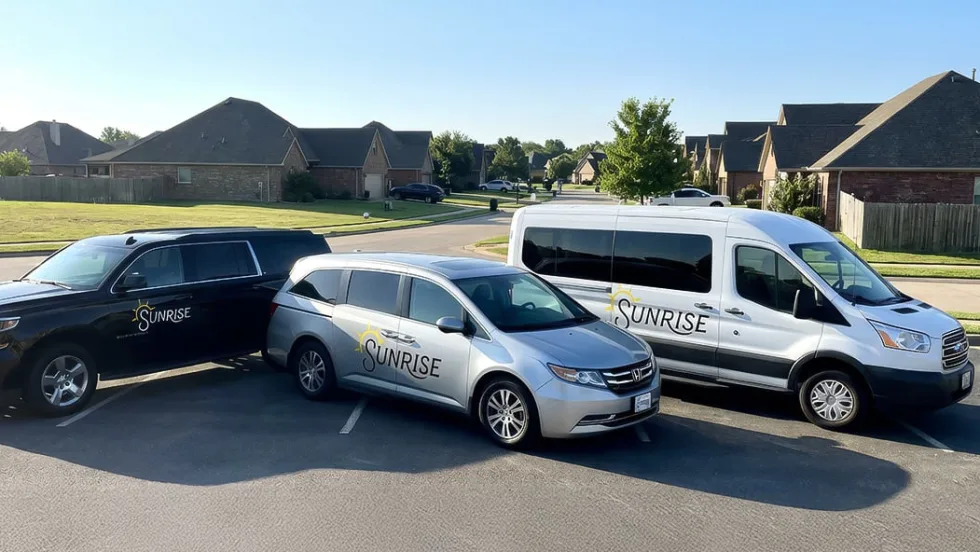
STA Acquires Sunrise Transportation
Student Transportation of America expands in Illinois and Connecticut through Sunrise's fleet of nearly 1,000 vehicles.
Read More →
EPA Opens $180M DERA Funding Round for Diesel Upgrades
The 2026 Diesel Emissions Reduction Act program seeks applications from eligible organizations to accelerate the retirement of legacy diesel vehicles.
Read More →

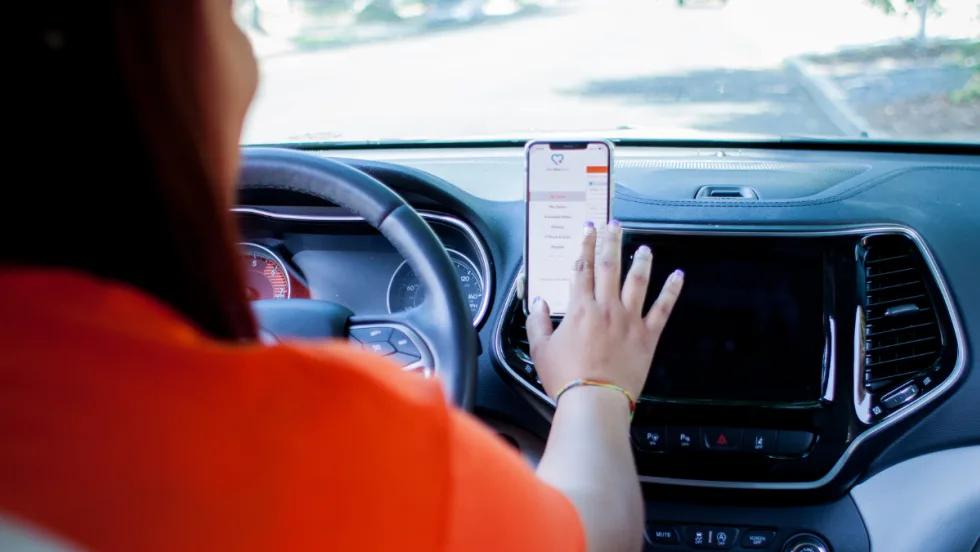
HopSkipDrive’s CareEngine Targets the ‘Exceptions’ in Student Transportation
The new platform works alongside districts’ existing transportation management systems to coordinate specialized rides, automate last-minute changes, and turn ride data into operational improvements.
Read More →
The Right Ride for Every Student: Navigating the New Student Transportation Ecosystem
How should districts blend school buses with small-vehicle transportation and other options? EverDriven CEO Mitch Bowling discusses safety, costs, partnerships, and strategy.
Read More →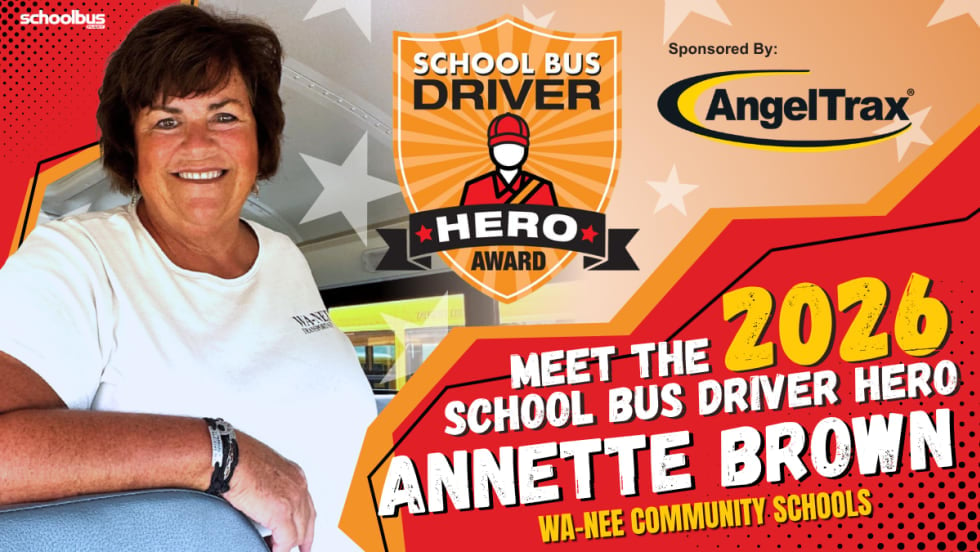
Annette Brown Always Takes the Extra Time: Meet Our 2026 School Bus Driver Hero
For more than 30 years, the Wa-Nee Community Schools driver has treated students like family, combining safety, compassion, and servant leadership to make a lasting difference on and beyond the school bus.
Read More →
How to Build a Better Driver Training Program
Ready to boost up your school bus instructor training? Here’s how to pick the right talent and improve recruitment, retention, and safety.
Read More →
CALSTART and Forth Combine to Form Catalyst Mobility
The new name represents a renewed vision for the nonprofit focused on advancing clean, equitable, and affordable transportation solutions that move people and goods.
Read More →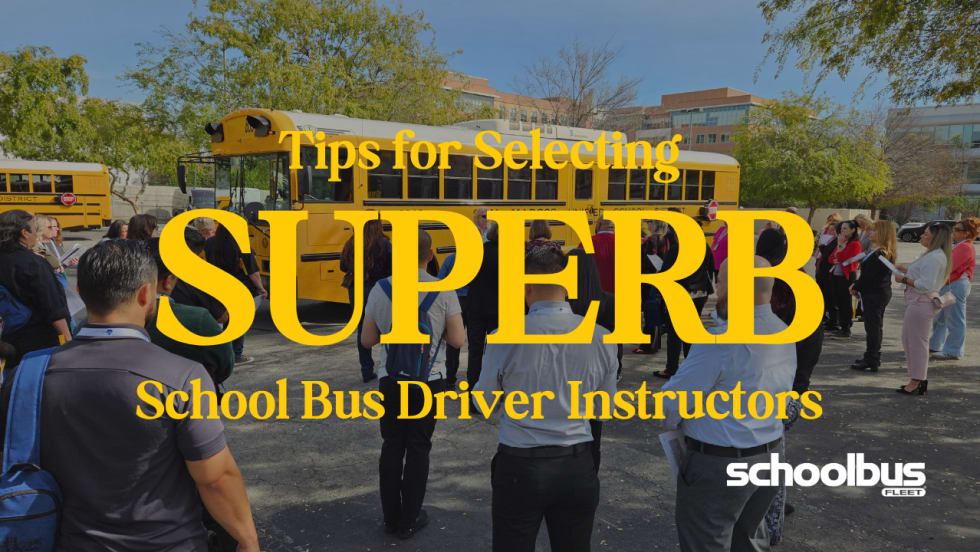
What Makes a Great School Bus Driver Trainer?
Choosing the right school bus driver trainer takes more than experience. Learn six keys to selecting and developing trainers and evaluating program effectiveness.
Read More →
School Bus Contractors Expand Through New Deals, Acquisitions & Partnerships
STA's Canadian division acquires Ontario-based G&L Stevenson Transport; Durham School Services adds a new district in California; First Student expands in New Jersey; and Minnesota Coaches rebrands and acquires Halo Transportation.
Read More →