




Motorcoach charters require closer scrutiny
Motorcoach buses are among the safest vehicles on the road. Like yellow school buses, they are bigger, heavier and more visible than almost all other ...
Motorcoach buses are among the safest vehicles on the road. Like yellow school buses, they are bigger, heavier and more visible than almost all other passenger vehicles. And, like school buses, they are piloted by drivers with CDLs and specialized training. Yet troubling concerns about their use for school-chartered transportation have surfaced in the wake of two recent accidents. On April 6, a chartered motorcoach transporting a group of Cumberland County, N.C., high school students to a band competition in Florida overturned on I-95 near the Georgia-Florida border, injuring more than two dozen passengers, some seriously. Three weeks later, on April 27, another motorcoach, this time transporting Newton, Mass., middle-school students to a music festival in Halifax, Nova Scotia, failed to negotiate a hairpin turn on a transition road in Sussex, New Brunswick and crashed, killing four children and injuring more than two dozen others.
A closer look is needed
Although motorcoach accidents involving school charters are rare, they should not be ignored by the pupil transportation community. The use of chartered motorcoach buses for school-related trips is a common practice. Especially on long trips, motorcoach buses have several advantages over school buses. First of all, they’re more inviting. The seats are built for comfort, and the ride is softer and quieter. Common options include air conditioning, reading lights and restrooms. The windows are larger, affording passengers a better view along the way. In addition, motorcoaches offer greater storage capacity. Thus, it’s understandable that many teachers and principals would opt for a motorcoach. After all, what’s the point of making a long journey if the students are too tired or cranky to enjoy their excursion? But there are disadvantages as well. School buses are built to more demanding safety standards than motorcoaches. One major difference is window size. As I mentioned earlier, motorcoaches have larger windows than school buses. Larger windows provide more space for a passenger to be ejected in a side impact or rollover crash. Even more importantly, schools that charter motorcoach buses are gambling that the vehicle is well maintained and that the driver is well rested and adequately prepared for the trip. Of course, the same could be said of a chartered school bus. But it’s unlikely that a school would not be aware of any glaring deficiencies in a district- or contractor-operated bus program.
Are procedures in place?
Derek Graham, North Carolina’s state pupil transportation director, said an informal e-mail survey of his state’s school districts found that only four of the 63 respondents maintain a central list of approved motorcoach operators. The other 59 counties apparently leave it up to individual schools to compile their own lists. Although familiar with classroom settings, few teachers and principals have enough transportation experience to evaluate a motorcoach operation’s equipment, maintenance practices and driver training programs. This is why we need to look more carefully at local and state policies and procedures for hiring contract operators for activity trips. In North Carolina, a multi-agency task force is formulating guidelines to help schools make good decisions about charter service. In our August issue, Derek Graham will provide an update on the task force's recommendations. There’s no doubt — motorcoaches are the proper choice on many trips, but selecting the right operator for the job is a critical step that cannot be underestimated.
More Management

The Right Ride for Every Student: Navigating the New Student Transportation Ecosystem
How should districts blend school buses with small-vehicle transportation and other options? EverDriven CEO Mitch Bowling discusses safety, costs, partnerships, and strategy.
Read More →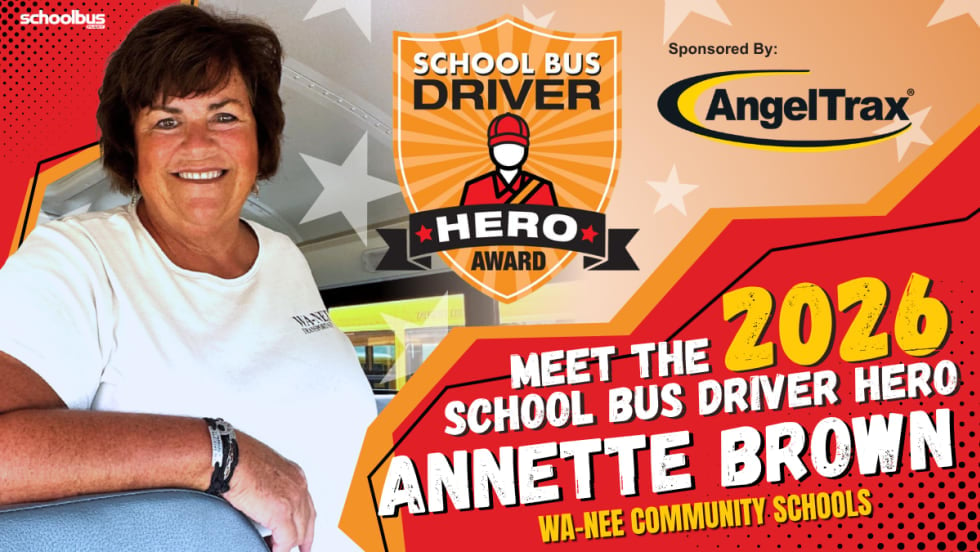
Annette Brown Always Takes the Extra Time: Meet Our 2026 School Bus Driver Hero
For more than 30 years, the Wa-Nee Community Schools driver has treated students like family, combining safety, compassion, and servant leadership to make a lasting difference on and beyond the school bus.
Read More →
How to Build a Better Driver Training Program
Ready to boost up your school bus instructor training? Here’s how to pick the right talent and improve recruitment, retention, and safety.
Read More →


CALSTART and Forth Combine to Form Catalyst Mobility
The new name represents a renewed vision for the nonprofit focused on advancing clean, equitable, and affordable transportation solutions that move people and goods.
Read More →
What Makes a Great School Bus Driver Trainer?
Choosing the right school bus driver trainer takes more than experience. Learn six keys to selecting and developing trainers and evaluating program effectiveness.
Read More →
School Bus Contractors Expand Through New Deals, Acquisitions & Partnerships
STA's Canadian division acquires Ontario-based G&L Stevenson Transport; Durham School Services adds a new district in California; First Student expands in New Jersey; and Minnesota Coaches rebrands and acquires Halo Transportation.
Read More →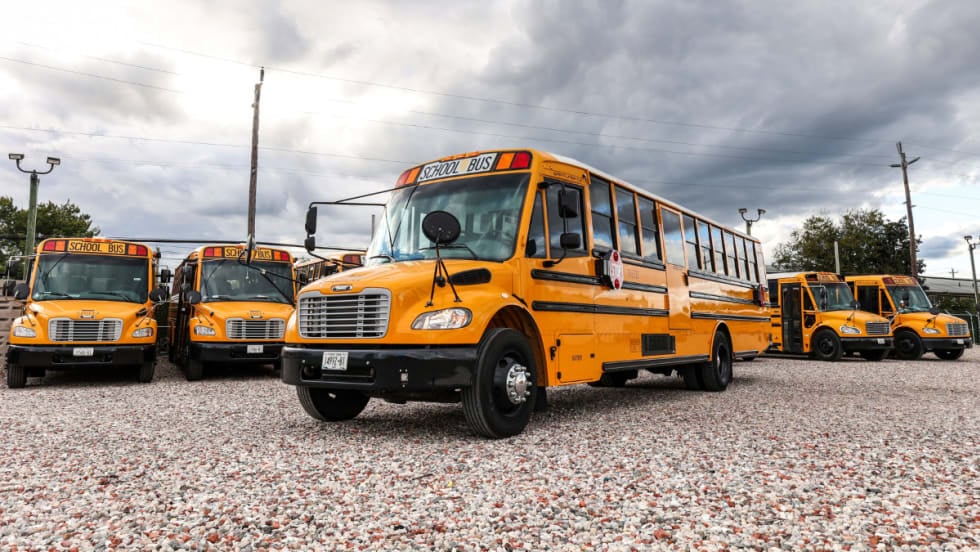
Logan Bus Company Rolls Out AI Phone System for NYC School Bus Families
A summer pilot found that AI agents could handle most routine calls, freeing up time for customer service staff to focus on emergencies and complex family concerns.
Read More →
From Intent to Impact: What I Learned About Leadership from TAPT
A Texas transportation supervisor shares lessons on self-awareness, accountability, managing stress and building trust — and why investing in leadership development matters at every stage of your career.
Read More →
NAPT Names 2026 Award Recipients, Hall of Fame Inductee
Who earned national recognition for their work in student transportation? This year, NAPT named five recipients of its 2026 awards for service, safety, and leadership, plus its newest Hall of Famer.
Read More →
2026 State of Student Transportation Report
Driver shortages. Rising costs. Growing safety expectations. More data, but not enough time to act on it. The 2026 State of Student Transportation Report reveals what transportation leaders say is putting the most pressure on their operations—and where they’re investing next. See how your priorities compare.
Read More →