




Learning from tragedy
In my previous column, I wrote about how we at SCHOOL BUS FLEET had recently come across an abundance of articles covering “good” news rela...

In my previous column, I wrote about how we at SCHOOL BUS FLEET had recently come across an abundance of articles covering “good” news related to pupil transportation. Not much later, we were stunned upon hearing of the crash near Cottonwood, Minn., that took the lives of four students on a school bus.
As I’m sure you know, it’s very rare for a child to be killed inside a school bus. So when it does happen, it’s all the more shocking.
Going over the details of a tragedy like this can be unnerving. But if there can be some positive morsel to be gleaned from such a negative event, it may be that it can provoke critical thinking and teach us something that will help in bolstering safety in the future.
Revisiting Huntsville
The last U.S. school bus accident of this magnitude was the November 2006 crash in Huntsville, Ala., which also took the lives of four students.
In that accident, authorities said that a Toyota Celica driven by a high school student struck the bus, causing it to fl ip over a concrete retaining wall and drop about 30 feet from an overpass.
The bus driver was found critically injured on the overpass. Investigators said he was likely not wearing his seat belt and was ejected through the loading door before the bus plunged.
The Huntsville tragedy sent ripples throughout the industry and led to the development of a pilot program to study lapshoulder belts on buses.
Whether school bus passengers should be belted is the source of much debate, but no one would argue that school bus drivers don’t need to buckle up.
The Huntsville crash raises at least a few critical questions: If the bus driver was indeed not wearing his seat belt, how did that affect the outcome of the accident? Could he have kept the bus from veering off of the overpass if he hadn’t been thrown out of his seat?
The National Transportation Safety Board has yet to issue a report on the Huntsville crash, but when it does, hopefully it will answer those questions.
What is clear, in any case, is that it’s hard for a driver to drive when he isn’t in his seat, and a buckled belt is the best way to keep him there. Perhaps some drivers need to be reminded of that.
Spotlight on Cottonwood
The Cottonwood crash is still under investigation, but based on what the authorities have determined so far, it appears that there was nothing that could have been done on the school bus driver’s end to prevent the collision.
According to witnesses, a minivan sped through a stop sign and onto a highway, where it struck the bus just in front of the rear wheels. The bus driver, Dennis Devereaux, said he saw the van coming but didn’t have time to brake or speed up.
After the accident, Devereaux was praised for his actions at the scene, where he pulled students from the overturned bus and handed them to motorists who stopped to assist.
The minivan driver, Olga Franco, told investigators that she was on her way to work. I don’t know whether she was running late, but if she did indeed speed through that stop sign, she was clearly in a hurry.
While I make it a point to come to a complete stop at stop signs, I have been guilty of driving in a hurried mindset. And hurrying can be a catalyst for bad decisions and lapses in judgment.
I’ll have that on my mind the next time I drive.
More Safety
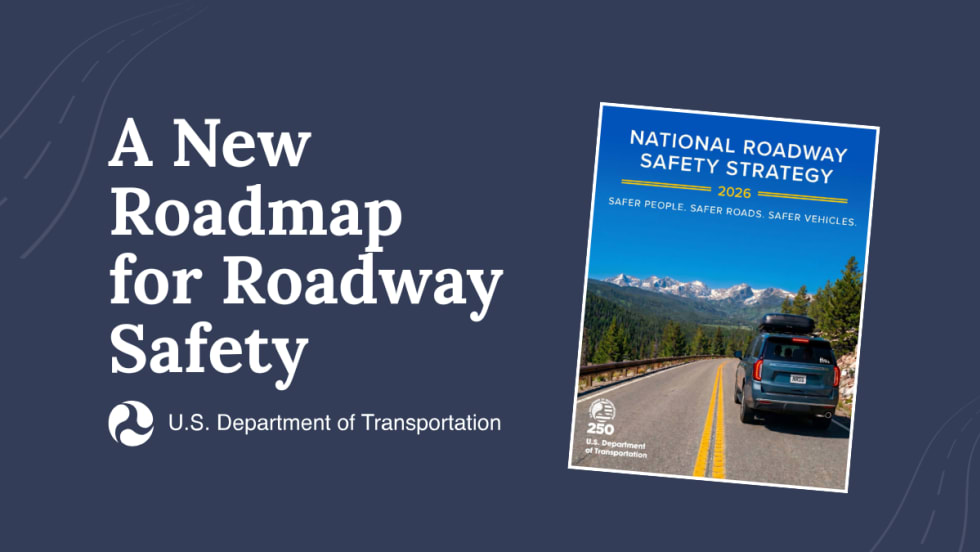
What Changed in DOT’s New National Roadway Safety Strategy?
The federal agency's new plan shifts its focus to safer people, roads and vehicles, with a new three-pronged approach instead of five. One outlined action even addresses a key industry concern around illegal school bus passing.
Read More →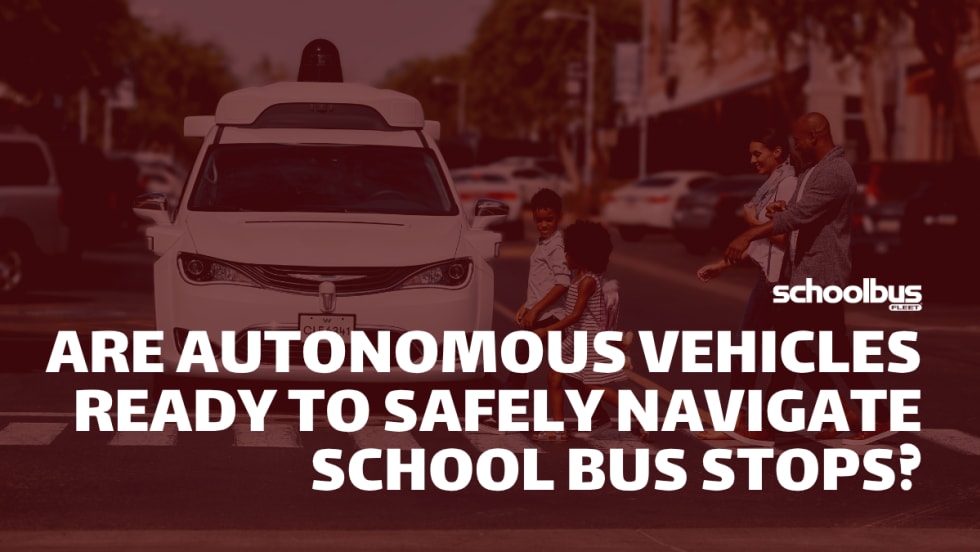
Are Autonomous Vehicles Ready to Safely Navigate School Bus Stops?
NHTSA is accelerating autonomous vehicle deployment through new safety standards and commercial approvals. See why school transportation leaders are watching.
Read More →
NFL Star Lomas Brown Kicks Off New Illegal School Bus Passing PSA
Just in time for the back-to-school season, the former Detroit Lions offensive tackle took time to record a video encouraging motorists to slow down around school buses.
Read More →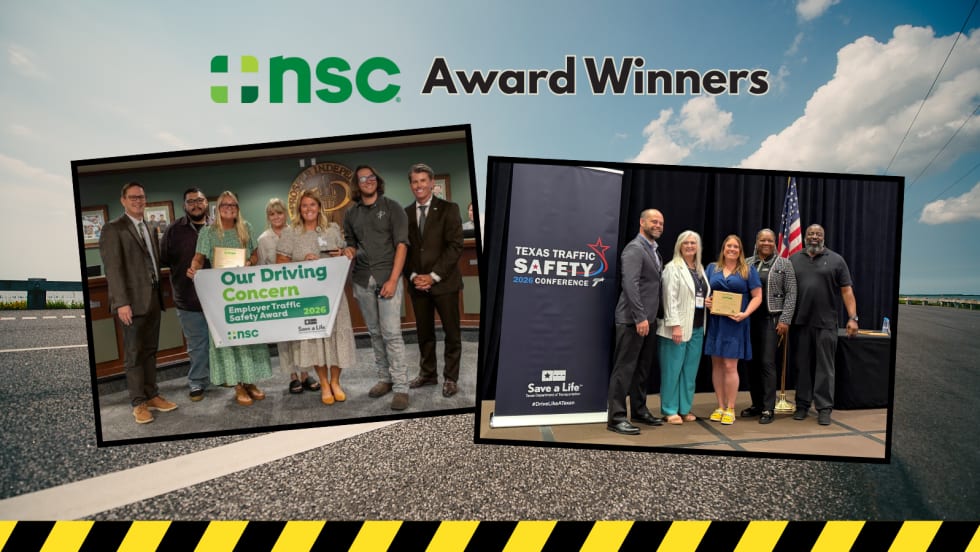
How Two Texas Districts Built Award-Winning Safety Programs
Learn how Prosper ISD and Rockwall ISD earned National Safety Council honors through hands-on training, safety culture, and strategies that reduced transportation incidents.
Read More →
NHTSA Releases 10-Year Review of Fatal School Bus Crashes
The latest federal analysis reinforces the safety of school buses while identifying where school-age pedestrians and other motorists remain most at risk.
Read More →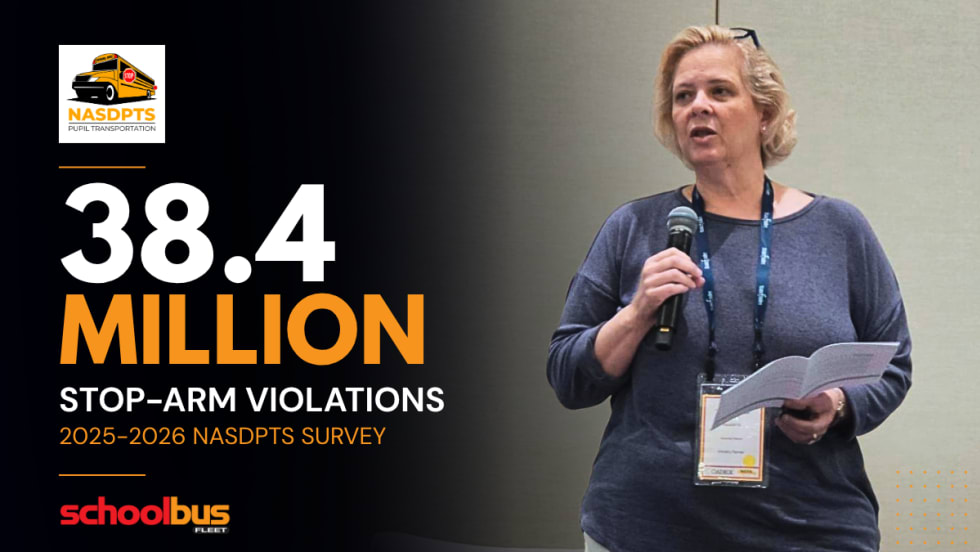
2026 NASDPTS Survey: Data Shows Further Reduction of Illegal Passing
New data is in! School bus stop-arm passings are down to 38.4 million violations per year, about a 2.3% decrease from last school year — but passings on the right side of the bus are higher than ever.
Read More →
Another School Bus Fatality Reported in Monsey, New York
A 7-year-old girl died after being struck by a school bus in Rockland County, New York while crossing the street. Here's what we know.
Read More →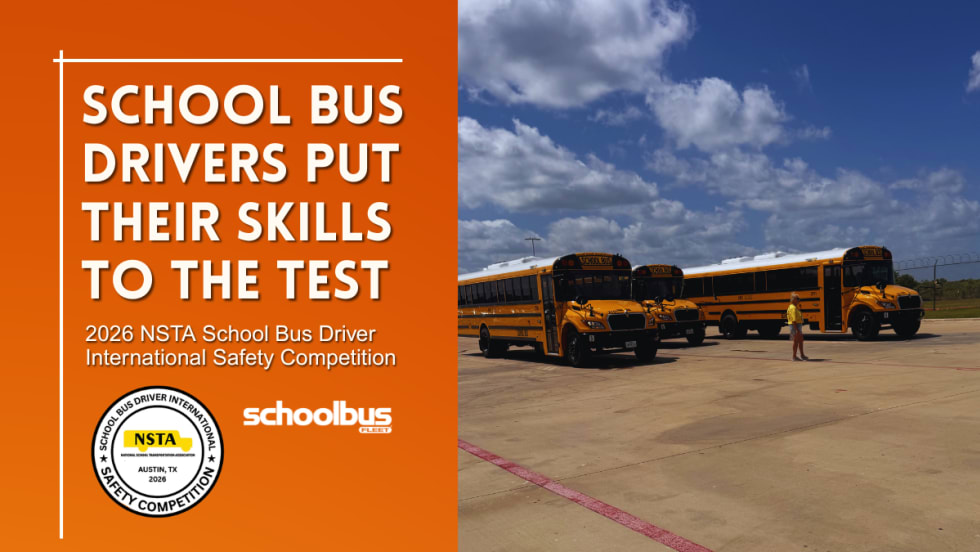
NSTA Announces 2026 School Bus Driver International Safety Competition Winners
Drivers from across the U.S. and Canada showcased their safety and driving skills, with two defending champions successfully retaining their titles.
Read More →
The Driver Shortage Playbook
Driver shortages are still a major challenge for student transportation fleets, but the real issue has shifted. It’s no longer just about filling seats quickly. It’s about finding safe, reliable drivers who meet performance expectations and want to stay. The Driver Shortage Playbook covers why traditional recruitment tactics are falling short and how school fleets are adapting with smarter hiring, stronger retention strategies and a greater focus on driver quality.
Read More →
Pro-Vision Launches AI-Powered 360° Camera System
The new Birdseye camera delivers real-time AI-based pedestrian and vehicle detections, full visibility around the bus, and telematics integrations.
Read More →