




Keeping NSTA on Track
Donald Fowler brings his decades of experience in school bus contracting to the national stage as he becomes president of NSTA. He sees challenges for the industry but is committed to taking them on.

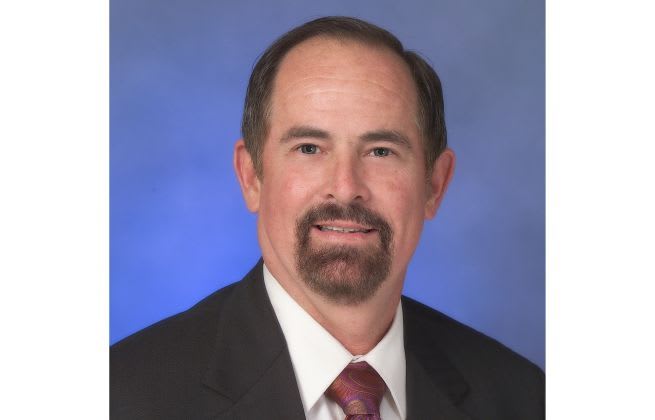
It was a twist of fate that brought Donald Fowler into the school bus contracting business.
His father had an International Harvester truck and tractor dealership, and back in 1975, they ended up with some school buses on their lot that they didn’t sell.
“So I bid on a contract and won,” Fowler says. “We sold that dealership in ’78, and in 1982, I bought the school bus company operating in my hometown, and I’ve been running yellow buses ever since.”
In addition to running Fowler Bus Co., based in Richmond, Mo., Fowler also operates a packaged ice company.
At the National School Transportation Association’s (NSTA) annual gathering in July, Fowler will take on another role: a two-year term as president of the association, taking the reins from Barry Stock of National Express Corp.
SBF Executive Editor Thomas McMahon spoke to Fowler about the 2010 EPA standards, seat belts, the new administration in Washington, and other topics — including packaged ice.
SBF: What are some things that you want to accomplish as president of NSTA?
DONALD FOWLER: Well, I’ve been part of the Safety Competition for probably 20 years, so I want to see that grow and be a bigger and better competition. We’ve got so much going on at NSTA; most bus contractors don’t realize what all is happening in our industry. And everything’s on a fast track — I just have to make sure I can keep up! The truth is, NSTA is running great, thanks to my highly competent and very successful predecessors. I want to continue their work and keep us moving ahead.
What are some of the top issues right now for school bus contractors?
I’d say probably one of the most important ones would be retaining our federal fuel tax exemption. Congress is looking at all fuel tax exemptions as they try to rebuild the Highway Trust Fund, and if we lose this benefit, there will be a significant increase in costs for all school bus operators. The second item would be the “card check” bill that changes some of the procedures on how union votes can take place. Congress will probably pass some form of this bill, and we will be watching it closely. Right behind that is maintaining necessary protections against unfair competition from federally-subsidized transit agencies. All of these issues are very important to contractors.
What are some top issues in your state specifically?
The biggest thing hurting us here in the state of Missouri is finance. Most of the schools are tightening their belts. It’s getting to be very challenging with the price of new buses and all of our repair parts, tires, and fuel costs on the rise.
Our “Go Yellow, Go Green” campaign has been a big hit. I applied for one of the EPA grants and got particulate traps and air filters, which we’re installing right now to try to do our part.
We did have a seat belt bill introduced, but it didn’t go anywhere. We have to watch that every year and try to get language in the bill to include the new style of seats. I’m very active with the Missouri School Bus Contractors Association. I’m chairman of the legislative committee and chairman of the educational committee.
What are your thoughts on the seat belt issue?
I was a compartmentalization person back in ’77 when it came out; compartmentalization was all I thought. I definitely do not like lap belts. Do I think the three-point harnesses are good? They are very good in cars and trucks. If someone would give them to us in the state of Missouri, I would say we’d jump on it, but there’s no way to fund it here. We’re very concerned about non-funded mandates. Do I think they would help? I really think they would help in several different ways — not only safety, but also with discipline problems and keeping little kids in their seats.
I was on a plane yesterday coming home from the ASBC [American School Bus Council] meeting, and the lady sitting next to me asked me what I did. When I said I operate school buses, she asked, “Why don’t they have seat belts?” And I had to explain all the way from Chicago to Kansas City why seat belts aren’t on school buses. I should have said that I run a packaged ice company, but I didn’t think quick enough on that one!
People probably don’t have as many questions about the packaged ice company.
Oh, yes they do. You get a whole different set: “Is your water safe?” “Is it purified?” Yes, it is. We don’t touch the ice. These are the kinds of issues. I know we’re not talking about the ice business, but you go to some convenience stores that make their own — they bag it by hand, using a scoop! Who knows whether they went to the restroom just before they started and didn’t wash their hands. But we don’t touch any of the ice; it’s all packaged by a machine. It’s something to think about. Next time you buy a bag of ice, look to see if it has an ice company’s name on the bag. If it does, it’s safe. But if it doesn’t have a company’s name on the bag, go somewhere else.
How long have you been doing the packaged ice company?
I lost a bus contract in 1986, and I decided I wasn’t going to have all my eggs in one basket, so I started the packaged ice company. And it has been very good for us, but it is very competitive. Actually, it’s probably tougher than the school bus business in competitiveness.
So you’re involved with the ASBC now?
Yes, I’ve attended my second meeting now. It’s another one of the hats that the president of NSTA wears. As the new kid on the block, I haven’t learned all about ASBC yet, but I’m looking forward to working with the group. Increased ridership and awareness of the yellow bus are a couple of the things we’re working on.
With the new administration in Washington, do you see any changes happening or on the horizon that would affect the school bus industry?
Yes, there are. The administration is pro public transit. We’re really trying to educate everybody on school transportation — it is the largest mass transportation system in the U.S., and we want to make sure the administration knows all the benefits of school buses. We want to approach it in a positive way by talking about safety and policy and other issues. We look forward to working with this administration; they’ve started a lot of good projects. NSTA has applied for and received several grants, for example, and hopes for more.
Any thoughts on the 2010 EPA standards and what kind of impact they’ll have?
I’m going to try to stay positive. It’s going to be a challenge, with all the new regs. Each engine manufacturer claims its engine is going to be the best. I guess we’ll be the ones to find out. We need to do everything we can to improve our air. Here in Richmond, Mo., I don’t have any buses that smoke. You want to see smoke, go watch a farm tractor cross a field, or watch one of the farmer’s 18-wheelers haul crops to the elevators, or watch the trash trucks. My buses are clean by comparison, yet we’re putting these particulate traps on. And then supposedly my exhaust will be cleaner going out than it was coming in. It’s going to be interesting.
What do you like most about the school bus industry?
It’s a challenging job. I used to think that I’d seen just about everything, but then something new happens and I see how much I don’t know. I used to like the weather challenge a whole lot more than I do now; as I get older, the snow isn’t nearly as much fun as it used to be. There’s never a day goes by, though, that there’s not a challenge with a driver, a bus or a student, and solving those problems is what keeps me engaged and gives me satisfaction.
Anything else you want to mention?
I am very proud to represent NSTA for the next two years. I do not foresee any big changes. I am not a proponent of change unless it is needed. I have an excellent executive board and staff to help me through the next two years. It will be a challenge, as I’m a small contractor. My 22-year-old son covers for me on my day job when I’m gone, and I’ve been gone quite a bit lately. He is still in college, so he has to juggle his time around, too. But all the sacrifices are well worth the benefits that NSTA will provide to our industry, and I’m glad to be a part of it.
More Management

How to Build a Better Driver Training Program
Ready to boost up your school bus instructor training? Here’s how to pick the right talent and improve recruitment, retention, and safety.
Read More →
CALSTART and Forth Combine to Form Catalyst Mobility
The new name represents a renewed vision for the nonprofit focused on advancing clean, equitable, and affordable transportation solutions that move people and goods.
Read More →
What Makes a Great School Bus Driver Trainer?
Choosing the right school bus driver trainer takes more than experience. Learn six keys to selecting and developing trainers and evaluating program effectiveness.
Read More →

School Bus Contractors Expand Through New Deals, Acquisitions & Partnerships
STA's Canadian division acquires Ontario-based G&L Stevenson Transport while Durham School Services adds a new district contract in California, First Student adds a New Jersey contract, and Minnesota Coaches acquires Halo Transportation.
Read More →
Logan Bus Company Rolls Out AI Phone System for NYC School Bus Families
A summer pilot found that AI agents could handle most routine calls, freeing up time for customer service staff to focus on emergencies and complex family concerns.
Read More →
From Intent to Impact: What I Learned About Leadership from TAPT
A Texas transportation supervisor shares lessons on self-awareness, accountability, managing stress and building trust — and why investing in leadership development matters at every stage of your career.
Read More →
NAPT Names 2026 Award Recipients, Hall of Fame Inductee
Who earned national recognition for their work in student transportation? This year, NAPT named five recipients of its 2026 awards for service, safety, and leadership, plus its newest Hall of Famer.
Read More →
2026 State of Student Transportation Report
Driver shortages. Rising costs. Growing safety expectations. More data, but not enough time to act on it. The 2026 State of Student Transportation Report reveals what transportation leaders say is putting the most pressure on their operations—and where they’re investing next. See how your priorities compare.
Read More →
How to De-Escalate an Angry Person: 5 Steps for Handling Workplace Conflict
What makes emotions run high, and how should you handle an angry colleague or parent? Follow these steps for staying calm, listening, showing empathy, and resolving conflict.
Read More →
What Readiness Looks Like This School Year
Learn about the challenges shaping the 2026–2027 school year, from persistent driver shortages and budget pressure to technology and readiness gaps. See how school districts are responding and adapting in Zonar’s 2026 Back-to-School Readiness Report.
Read More →