




Keeping a close watch
School bus drivers are often called the “eyes and ears” of their communities. That was certainly true in the case of 13-year-old Alexis “Lexie” Gl...

School bus drivers are often called the “eyes and ears” of their communities. That was certainly true in the case of 13-year-old Alexis “Lexie” Glover. The efforts of a few observant and caring pupil transporters could have led authorities to save Lexie’s life.
Two separate school bus driver-attendant teams spotted signs that the Manassas, Va.-area girl was being abused by her adoptive mother.
As reported by The Washington Post, Lexie’s bus driver and attendant once noticed that the girl’s wrists had marks as if she had been tied up. Lexie told them that her mother had bound her and made her lie on the car floor during an out-of-state trip.
On another occasion, the bus staff noticed a large welt on Lexie’s head. She told them that her mother would — while videotaping — force her to hit herself. The bus staff notified Lexie’s school and the Prince William County Department of Social Services.
Later, when Lexie came to the bus in her underwear, the bus staff bundled her up and called their dispatcher, which led to a call to the police.
A driver-attendant team on a different bus twice spotted Lexie’s mother drive away from a daycare center with her daughter in the trunk. They notified their dispatcher and then gave written statements of what they had seen to police.
Despite these pupil transporters’ best efforts, for which they deserve commendation, police said that the mother denied the incidents and that Lexie kept quiet. Other alarming incidents were reported by neighbors.
On Jan. 9, Lexie’s body was found in a shallow creek. Her death was ruled a homicide, and her mother was later charged with the crime.
On the lookout
Although this case ended in
tragedy, it shows another important
facet of school bus personnel:
They look after kids on and off their bus.
It’s not just a matter of driving safely.
But how do pupil transporters know when to report a suspicion of abuse? In Lexie’s case, the signs were unmistakable, but it may not always be so clear.
On its Website, www.childabuse.org, the Tennyson Center for Children lists possible indicators of abuse, including unexplained bruises, rope burns, behavioral extremes and wariness of physical contact.
Many people are hesitant to report possible abuse, but “without aware adults, some children might never receive help,” the organization says. “Remember, you are reporting suspicion of child abuse. Even if you aren’t sure, it’s better to let authorities check it out. You might save a child’s life!”
Unfortunately, the authorities did not save Lexie. After her death, a state investigation began of the response of the county Department of Social Services. Virginia requires this type of review in any case of child abuse that results in death, but county officials in this case prompted the state to accelerate the process.
They can’t bring Lexie back, but hopefully they can shed some light on why the system failed and keep it from happening again. Vigilant school bus drivers and attendants can only do so much.
More Special Needs Transportation
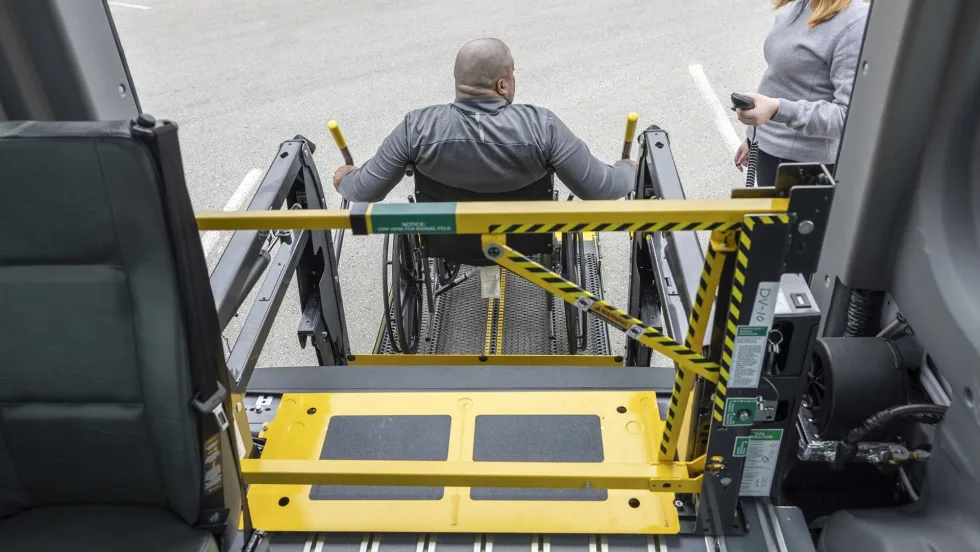
BraunAbility Introduces New Safety Barrier for Wheelchair Lifts
LiftSentinel is designed to add another layer of protection during wheelchair loading and unloading and can be retrofitted to many existing commercial lift installations.
Read More →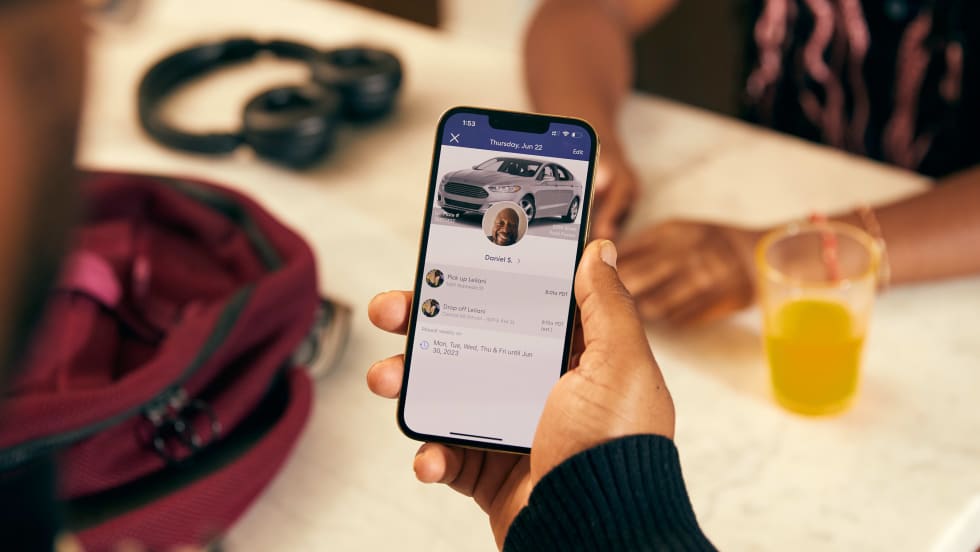
HopSkipDrive Launches New Safety, Driver Consistency Features for 2026-27 School Year
The company’s free ride recording, live ride tracking, and consistent driver assignments aim to improve safety and continuity for diverse student transportation needs.
Read More →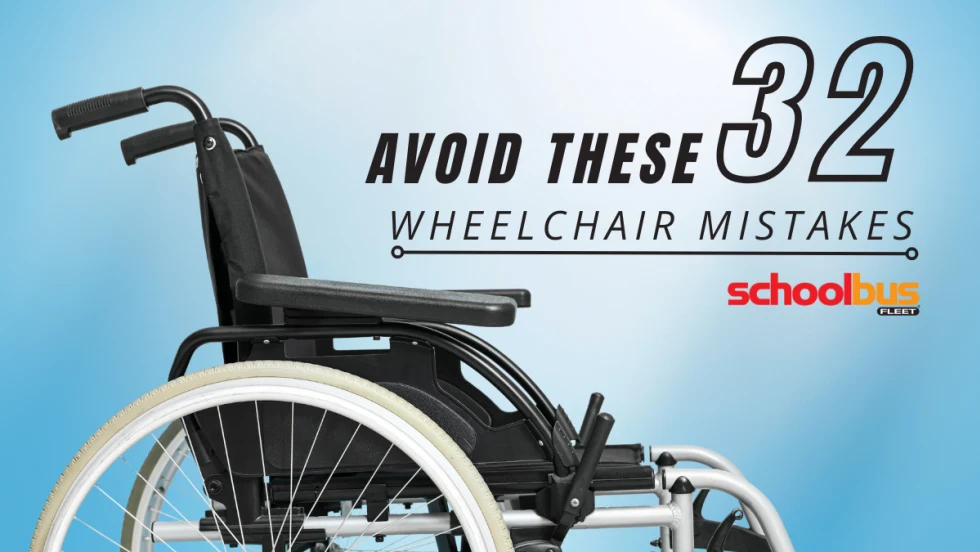
The Most Common Wheelchair Securement Mistakes on School Buses (and How to Fix Them)
Small missteps in wheelchair securement can have serious consequences. Here are 32 tips from experts to reduce risk and increase student safety on the bus.
Read More →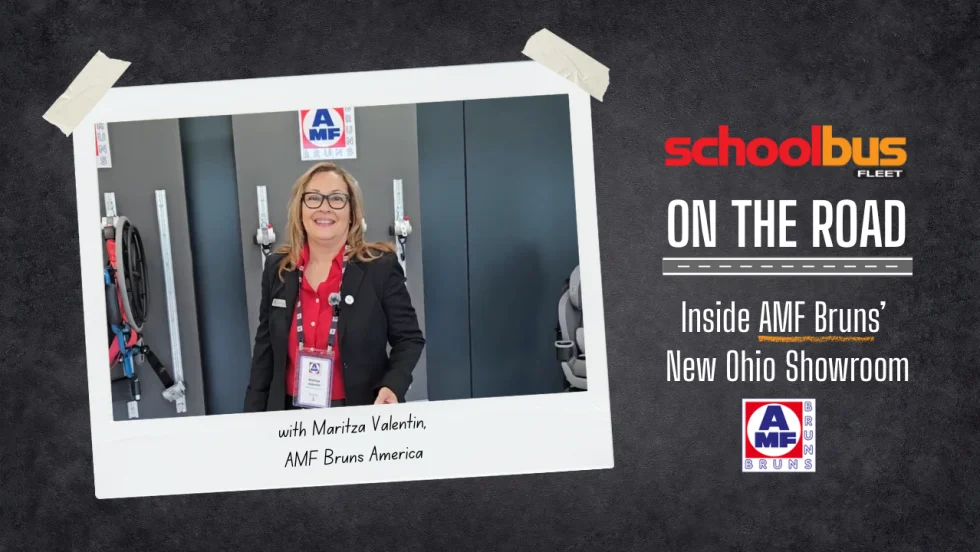
Inside AMF Bruns’ New Showroom: School Bus Securement Solutions Explained
Go inside AMF Bruns America’s new Ohio showroom with Maritza Valentin to see its FutureSafe technology, driver training tools, securement systems, and seating innovations.
Read More →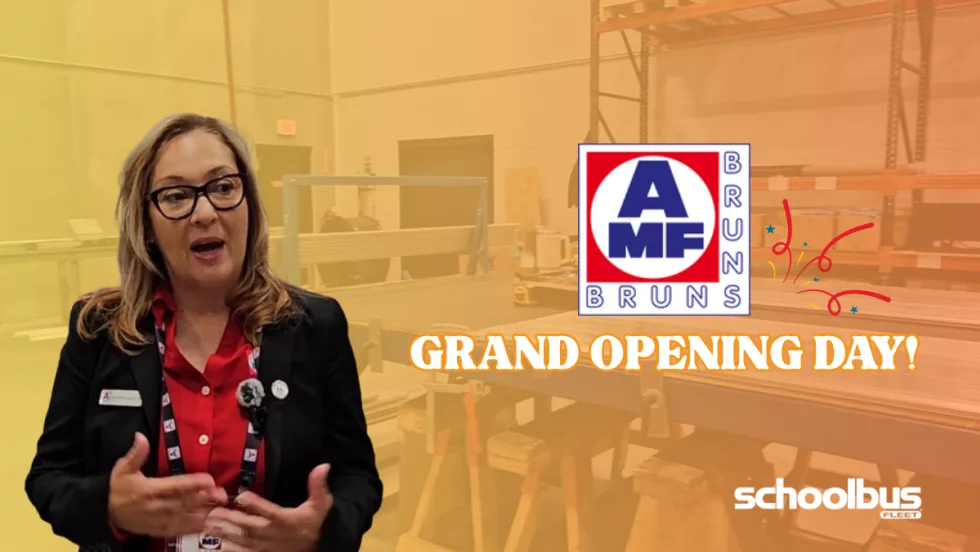
What AMF Bruns’ New Facility Means for Customers [Video]
Inside AMF Bruns’ new Stow, Ohio, operations: See how expanded space and innovation will enhance customer support and operations.
Read More →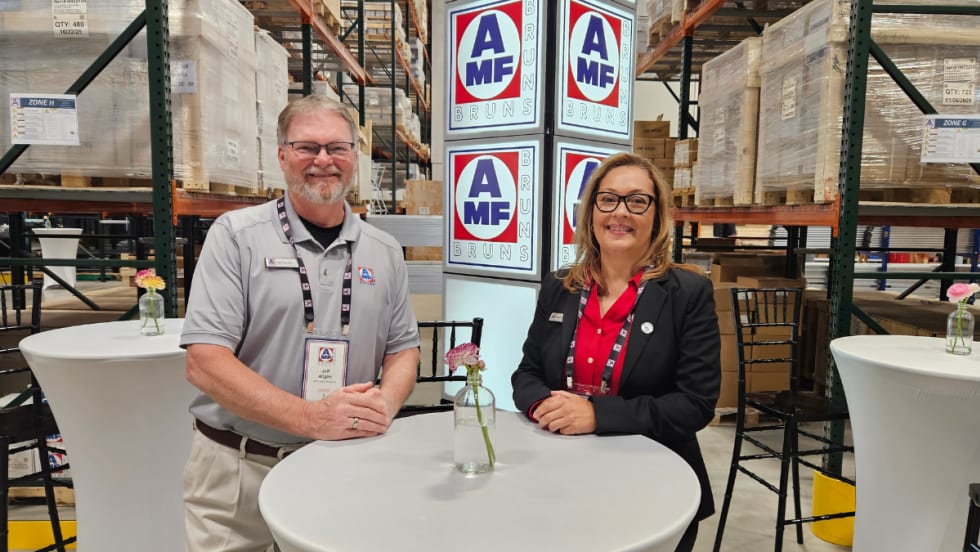
AMF Bruns Expands in Ohio, Investing in Growth and Community
With expanded production space, local investment, and a growing workforce, AMF Bruns is scaling its U.S. presence. Here’s an exclusive first look inside the new Stow, Ohio, HQ.
Read More →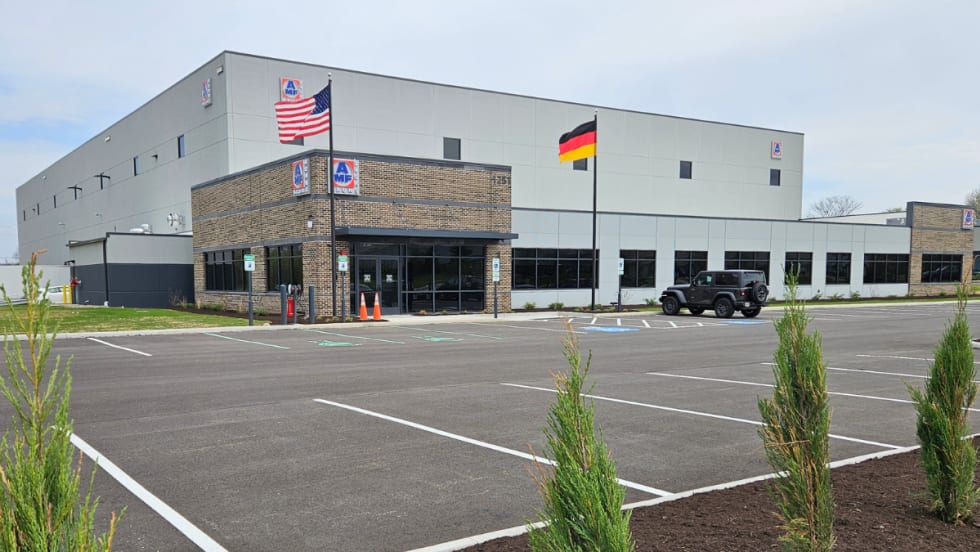
Inside AMF Bruns of America’s New Ohio Manufacturing Facility [Photos]
Take a behind-the-scenes look at AMF Bruns of America’s new 41,000-square-foot Stow, Ohio, headquarters, featuring advanced manufacturing, expanded space, and future-ready mobility solutions.
Read More →
First Student Boosts Student Support in Wichita & Texas
First Student and Wichita Public Schools are using behavioral support strategies to improve student ride experiences, while a separate initiative expands access to after-school programs through a bus donation.
Read More →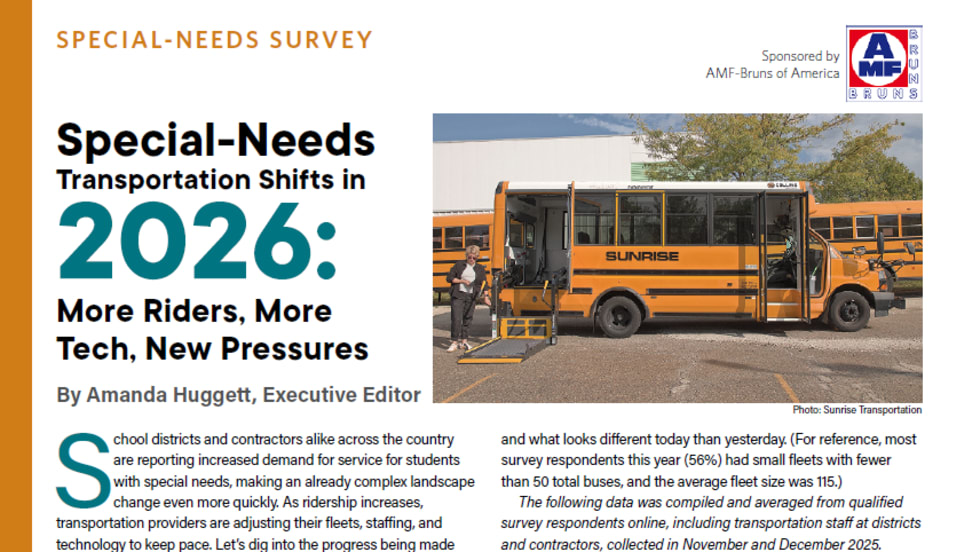
2026 Special-Needs Transportation Survey
What’s changing in special-needs transportation? This year, student transportation operators report a rising need, easing driver shortages, growing tech adoption, and evolving challenges. Sponsored by AMF Bruns of America.
Read More →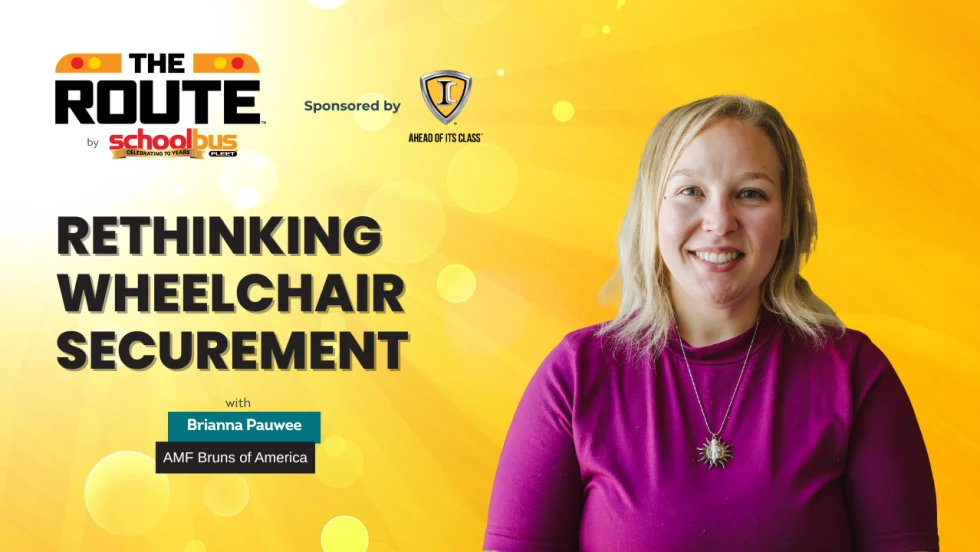
The Lived-Experience Gap in Mobility Tech: An Expert Take on Safe Student Transportation
Brianna Pauwee, a product application specialist at AMF Bruns of America and a wheelchair user, drops in to The Route to share practical securement and training insights, plus the story behind the new “Beyond Mobility” podcast. The Route is sponsored by IC Bus.
Read More →