



How School Choice Affects Pupil Transportation
One of the hot topics this election year is whether to let families use tax dollars to send their children to alternative schools.
One of the hot topics this election year is whether to let families use tax dollars to send their children to alternative schools. Whatever name it goes by — school choice, charter schools, vouchers, opportunity scholarships or tuition tax credits — it’s been a controversial issue for several years now.
And as much as I like to avoid controversy, school choice is a topic that I feel student transportation professionals need to get involved in. A family’s ability to choose its children’s school directly affects our ability to provide a safe ride for those children.
So wherever you may stand on the subject, it’s one you need to know more about. That way, if someone starts talking about changes in how and where children receive their schooling, you can be a source of information — not about the appropriateness of their proposal, but about the impact on young people and the true costs of adapting the transportation program.
School Programs Vary Widely
The National School Transportation Association has done research and found that some kinds of choice — magnet schools, for instance, or schools-within-schools or inter-district transfers — are permitted in all 50 states. In two-thirds of the states, the Legislature has gone further, perhaps by authorizing charter schools or permitting tax dollars that normally would go to the public schools to go to a private school instead. It seems certain that the number of states involved and the variety of programs will continue to grow.
I firmly believe that our best move is to be aware of the political and legal issues but to remain above the fray.
We need to be ready to step into the discussion and use our expertise to look out for children’s safety on the way to and from school — regardless of who may be running the school that’s at the end of the route. While several states have incorporated transportation into school-choice legislation, I was surprised by how many seem to have ignored it.
Legislatures have considered whether nonpublic schools may participate in interscholastic athletics, but not how young people will be transported to away games or who will pay for the ride.
One key element of most school choice programs is that funding follows the student. In some states, though, the young person’s former district continues to be responsible for transportation. In other locales, families are responsible for their own transportation, which has put thousands of children on public transit. Another appeal of charter schools is their exemption from certain regulations.
In Florida, the Legislature specifically said they still must adhere to rules affecting the safety of student transportation, while other states have left the issue open — which sends chills up and down my spine.
Transportation Gets Left Out
I want to emphasize that the problem isn’t with charter schools or vouchers. It’s with implementation — especially if that implementation doesn’t provide for safe, adequate transportation. What’s worse, the divisive, emotional, politically charged nature of the debate over choice often makes it difficult to even raise legitimate issues.
A rational question like, “How are these transfer students going to get to and from school?” could easily be interpreted as an attack on the idea of school choice. If questions come up that you feel need to be considered, I’d recommend two courses of action.
First, don’t take sides: Monitor the debate closely, but avoid potentially divisive public comments. Second, work behind the scenes to make sure school administrators understand the transportation issues, and be proactive, making your point before school choice is on the front burner and has begun to polarize school officials, parents and other interest groups.
About the Author: Terry Thomas is president of Community Bus Service in Youngstown, Ohio, and is also president of the National School Transportation Association, the professional association of school bus contractors.
More Management
The Back-to-School Checklist Every Director Should Complete Before the First Bell
Help your transportation team start the school year strong with these tips for contingency planning, communication, fleet visibility, technology, and trip management.
Read More →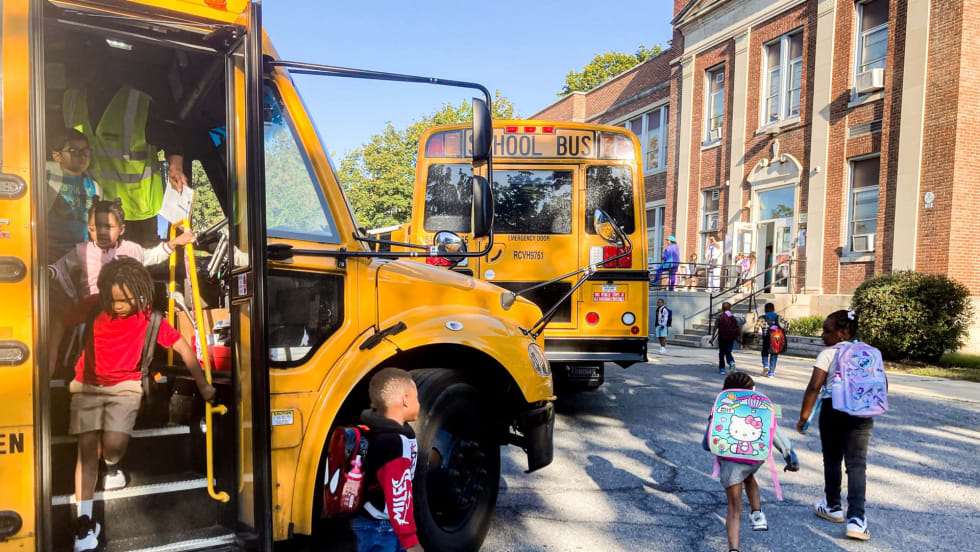
How a New York District Cut Nearly $1M in Transportation Costs While Expanding Bus Access
A data-driven overhaul with BusRight reduced Poughkeepsie City School District's planned routes from 26 to 17 while extending school bus service to about 1,200 additional students.
Read More →
Budgets Down, Enrollment Shifting: What the Data Says Districts Should Watch
School transportation departments face two converging challenges this year: tightening budgets and shifting enrollment. Most districts still address these issues separately, but the assumption that either trend will simplify operations is proving incorrect.
Read More →
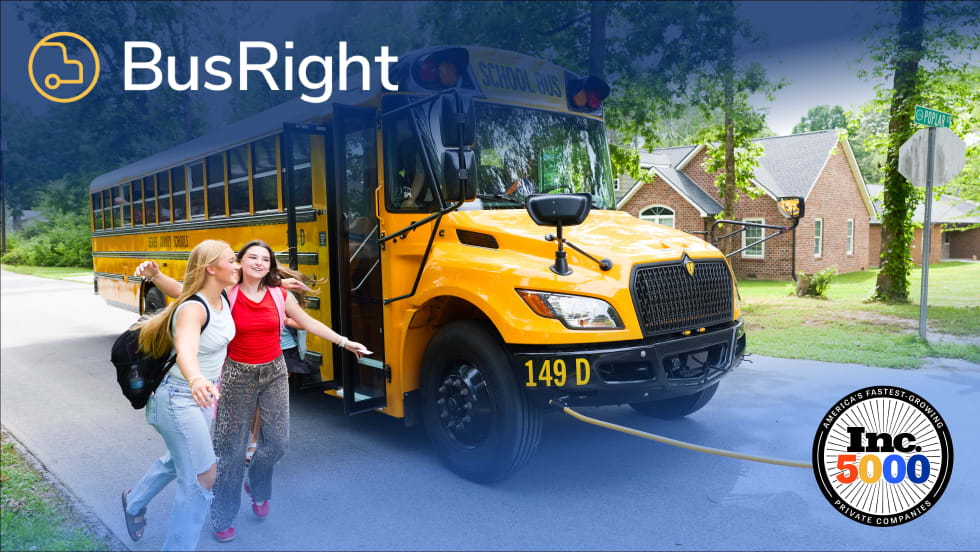
These 8 School Transportation Companies Made the 2026 Inc. 5000 List
Find out which school transportation contractors, technology providers, and suppliers ranked among America’s fastest-growing private companies.
Read More →
The Link Between Emotional Intelligence and School Bus Safety
How can emotional intelligence help transportation pros navigate stress, manage change, and build stronger relationships? Listen to find out.
Read More →
What Emotional Intelligence Has to Do With School Bus Safety
In this video, discover how emotional intelligence can help transportation leaders and drivers navigate stress, manage change, and build stronger relationships. The Route is sponsored by IC Bus.
Read More →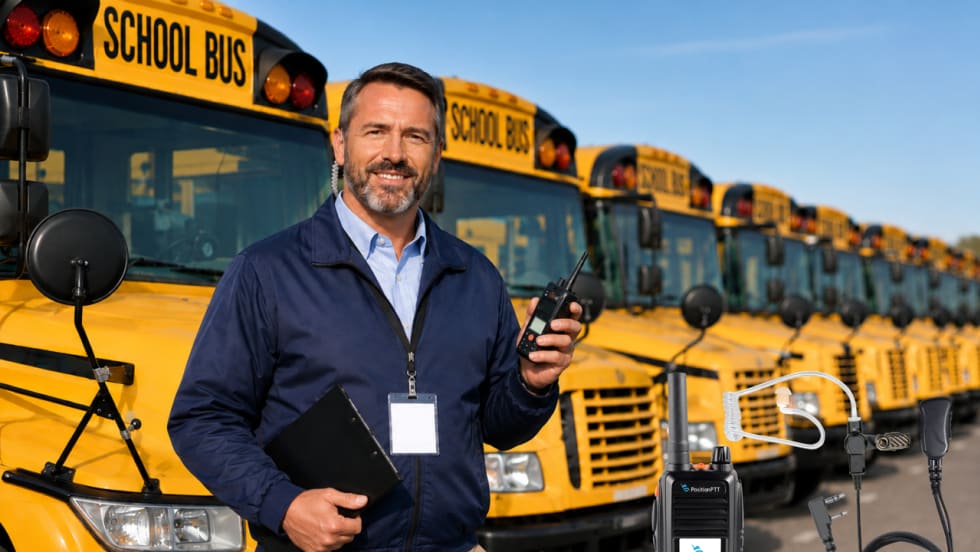
Beyond Two-Way Radios: School Bus Communications Evolve With Push-to-Talk Over Cellular
PRYME Radio and PositionPTT join forces to advance hands-free radio use and reduce distracted driving. See how PoC compares with traditional radios on range, cost, safety, and connectivity.
Read More →
Have School Districts Adapted to Bus Driver Shortages or Simply Accepted Less Service?
According to a recent report from HopSkipDrive, many districts appear to have recalibrated what "normal" transportation service looks like.
Read More →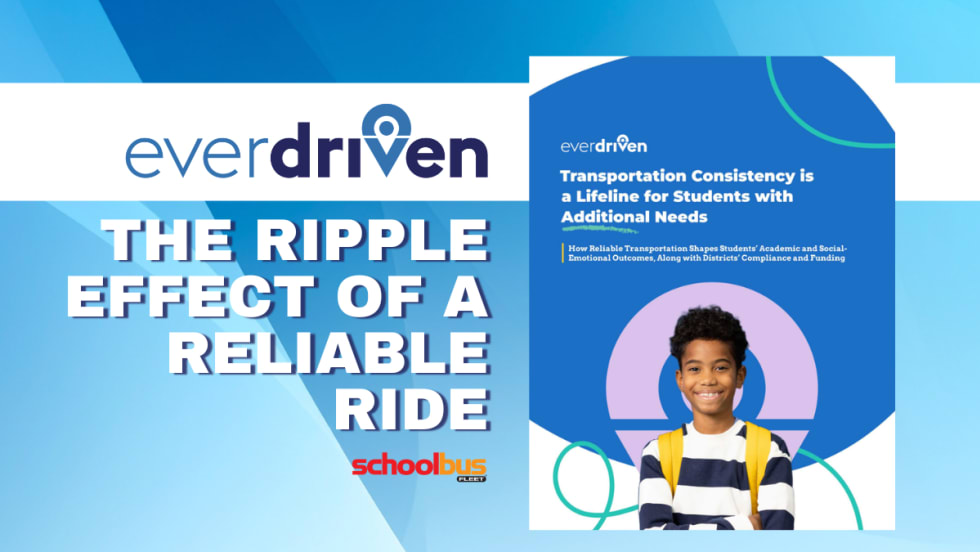
Reliable Transportation Linked to Better Student Outcomes, New EverDriven Study Finds
See why new research suggests transportation consistency improves student outcomes while influencing attendance, funding, IEP compliance, and family trust.
Read More →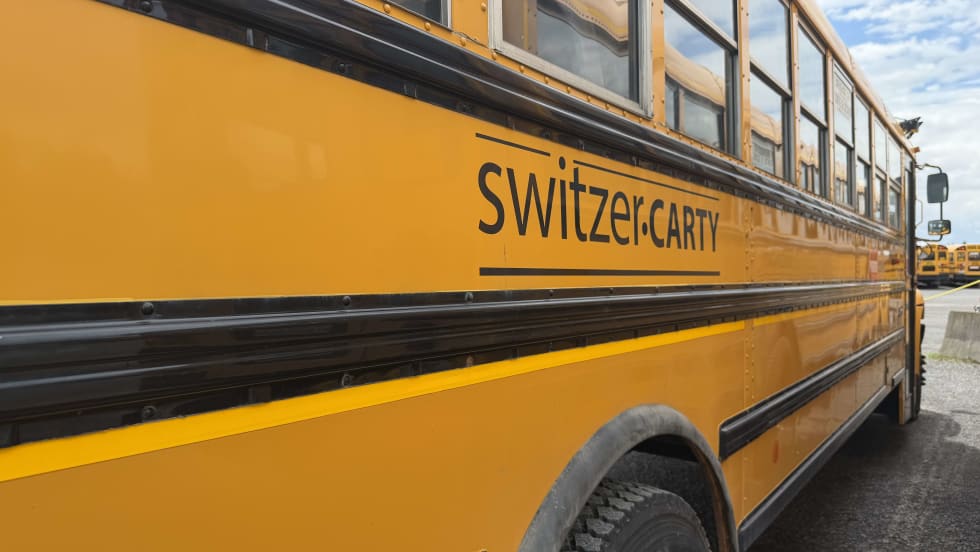
Switzer-CARTY Enters the U.S. with New Acquisition
The Canadian contractor’s acquisition of Minnesota-based Agnes Corporation marks its first cross-border expansion into the United States and adds 350 vehicles.
Read More →