




Driven by technology
Twelve years ago, I used e-mail for the first time. It was a difficult transition for me, especially since I’m not a good typist. But I’ve come a long way since then.
Twelve years ago, I used e-mail for the first time. It was a difficult transition for me, especially since I’m not a good typist. But I’ve come a long way since then. Now, not only am I adept at e-mail on my office computer, but I also use a Treo personal digital assistant so I can keep up with my e-mail while I’m on the road.
It’s not by choice that I’ve embraced the world of electronic communication. As many of you know, I like to keep things simple. But I knew that I could not operate efficiently as a magazine publisher unless I joined the Internet age. So here I am.
The trials of technology
Many of you in the pupil transportation community have a similar challenge on your hands. But I’m not talking about e-mail here.
You’ve got school bus technicians who need to learn how to manage a laptop computer so they can diagnose problems with computerized engines and transmissions. Some of them don’t have strong skills in the English language, which could only add to the difficulty of getting them up to speed.
Older technicians can be a problem too. They’re used to doing things the old-fashioned way. Electronic equipment they can handle, but when you ask them to boot up the computer, confusion ensues.
Building their skill and comfort levels is a key concern. Training is a must. If I was forced to learn how to use an e-mail system without someone explaining the fundamentals, it would have taken me much longer than it did.
Let’s make sure that we don’t abandon technology-challenged mechanics. Encourage them to enroll in computer classes so they can learn the basics. Then help them adapt their skills to the diagnostic equipment in the shop.
Remember, too, that you should take full advantage of the training offered by the industry’s bus and component manufacturers. This upfront investment of time will pay dividends later on.
But it’s not just the guys in the shop who are being challenged by technology. These days, transportation managers are being asked to upgrade their understanding of technological advances.
For example, I know many of you have been asked to consider the integration of GPS-based vehicle tracking into your programs. This requires an understanding of how GPS works and how it can be integrated with wireless communication systems to track vehicle locations. On the back end, it’s also necessary to integrate software into the communication package to organize, analyze and display the tracking information.
Staying ahead of the curve
In addition, suppliers to the bus industry now offer systems that can do much more than just track the location of the vehicles. They can monitor the vehicle’s speed, braking, door openings and even the temperature of the engine. It’s all great stuff, but it adds to our burden of understanding. Fortunately, sales reps for companies that offer this technology are skilled at explaining how it works in layman’s terms. But, the more you understand about this technology, the more informed your decision will be on whether to implement it.
Not surprisingly, many shop managers cited “keeping up with advances in technology” as one of their toughest challenges in this year’s maintenance survey, “Technician Wages Edge Higher in Past Year.” Unfortunately for those folks, the advance of technology is going to speed up in the coming years. We all need to be ready.
More Management

The Right Ride for Every Student: Navigating the New Student Transportation Ecosystem
How should districts blend school buses with small-vehicle transportation and other options? EverDriven CEO Mitch Bowling discusses safety, costs, partnerships, and strategy.
Read More →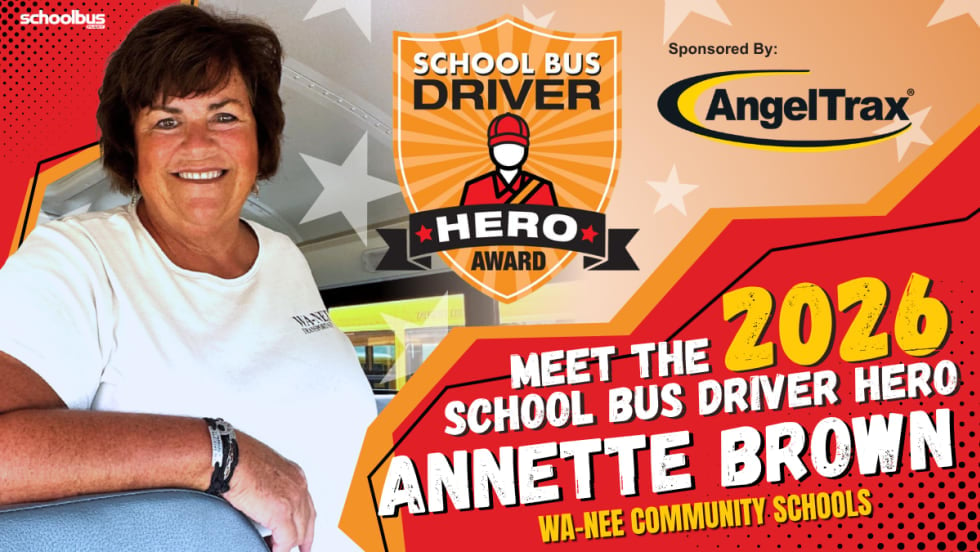
Annette Brown Always Takes the Extra Time: Meet Our 2026 School Bus Driver Hero
For more than 30 years, the Wa-Nee Community Schools driver has treated students like family, combining safety, compassion, and servant leadership to make a lasting difference on and beyond the school bus.
Read More →
How to Build a Better Driver Training Program
Ready to boost up your school bus instructor training? Here’s how to pick the right talent and improve recruitment, retention, and safety.
Read More →


CALSTART and Forth Combine to Form Catalyst Mobility
The new name represents a renewed vision for the nonprofit focused on advancing clean, equitable, and affordable transportation solutions that move people and goods.
Read More →
What Makes a Great School Bus Driver Trainer?
Choosing the right school bus driver trainer takes more than experience. Learn six keys to selecting and developing trainers and evaluating program effectiveness.
Read More →
School Bus Contractors Expand Through New Deals, Acquisitions & Partnerships
STA's Canadian division acquires Ontario-based G&L Stevenson Transport; Durham School Services adds a new district in California; First Student expands in New Jersey; and Minnesota Coaches rebrands and acquires Halo Transportation.
Read More →
Logan Bus Company Rolls Out AI Phone System for NYC School Bus Families
A summer pilot found that AI agents could handle most routine calls, freeing up time for customer service staff to focus on emergencies and complex family concerns.
Read More →
From Intent to Impact: What I Learned About Leadership from TAPT
A Texas transportation supervisor shares lessons on self-awareness, accountability, managing stress and building trust — and why investing in leadership development matters at every stage of your career.
Read More →
NAPT Names 2026 Award Recipients, Hall of Fame Inductee
Who earned national recognition for their work in student transportation? This year, NAPT named five recipients of its 2026 awards for service, safety, and leadership, plus its newest Hall of Famer.
Read More →
2026 State of Student Transportation Report
Driver shortages. Rising costs. Growing safety expectations. More data, but not enough time to act on it. The 2026 State of Student Transportation Report reveals what transportation leaders say is putting the most pressure on their operations—and where they’re investing next. See how your priorities compare.
Read More →