




Drilling Down on Fleet Maintenance: Part 1 of 3
Maintaining a fleet of vehicles is much more involved than twisting wrenches and changing fluids. Operating a reliable and safe fleet of vehicles dem...
Maintaining a fleet of vehicles is much more involved than twisting wrenches and changing fluids. Operating a reliable and safe fleet of vehicles demands attention to some very important factors. Although the list of factors is quite long, there are three that I feel are the most important. You must have:
1. Qualified/trained personnel
2. Guidelines, a PM program, specifications, policies and rules to operate by
3. Regimented documentation and data recording
Other factors include having a garage, office area, work shop, parts storage area, clean work area and adequate tools and equipment for personnel to use in order to perform their respective jobs.
This article will concentrate on my No. 3 factor, with minor references to the other two.
Documentation is key
The degree of reliability and safety of any given fleet of vehicles is directly related to the effort put into the factors listed above. Vehicle reliability and safety also have a direct correlation to the quantity of scheduled maintenance inspections being performed. Obviously, a vehicle that does not make routine visits to the garage for preventive maintenance is going to be in worse shape and less reliable than one that does. Frequent and expensive repairs due to failed components are sure signs that something is amiss in the fleet maintenance program.
Most fleet maintenance shops will compile some sort of documentation that gives reference to the work that needs to be performed and the work that has been performed. After the work has been performed, documented and filed, how you use these documents can make a significant difference in your overall operation.
For the most part, this documentation provides reference to work already performed. It also gives substance to our efforts in the case of a legal claim. But there is more that these records can be used for if one takes the time to analyze the recorded data. However, accurate analysis cannot take place unless accurate information is recorded from the beginning.
You should include space somewhere in your reporting format for the method or source from which jobs come into your shop. The source, which describes how the problem came to your attention or how the work was generated, becomes a strong indicator of how your PM program is working.
Know your sources
I utilize 10 repair sources in my documentation, and I recommend that you use at least some variation of these in your fleet. My repair sources are:
1. Accident
2. Department
3. Drive-in
4. Inspection
5. PM schedule
6. Rebuild
7. Road call
8. Scheduled
9. Vehicle condition report
10. Warranty
I formally started using these repair sources in 1995 when I purchased my first electronic maintenance program. Your operation — whether large or small, whether using an electronic maintenance program or handwritten documentation — should include a similar labeling system for all work performed.
Labeling repairs lets you categorize the work being performed and allows you a means by which to gauge your operation. I will further describe these 10 sources in Part 2, but first I need to explain what I term “undesirable operational costs” and where they come from.
The undesirables
On-the-road breakdowns, major component failures and routine part failures (of the same types of parts) are counterproductive to the maintenance operation. If you are finding repeat problems with any number of vehicles, a thorough investigation is in order. The investigation should cover the maintenance process, driver habits, geographical and physical demands on the vehicle, and design of parts and bus specifications.
You may be experiencing a mass component failure due to a manufactured defect that affects several of the buses in your fleet. Or you may have experienced routine component failure due to the physical operating conditions that your buses run in. Any way these failures occur will require labor hours that may be better spent elsewhere. More parts than necessary will be used, and the combination of these parts and labor is counterproductive to your operation.
High numbers of reported accidents or damage caused by drivers are also counterproductive and hard on the pocket book. If this problem is apparent at your operation, your driver training program and behind-the-wheel critiquing need serious evaluation.
Performing a high number of rebuilds is not necessarily counterproductive, but it can be if unnecessary rebuilds are taking place. This is an area that needs to be scrutinized very closely.
Certain types of rebuilds consume large amounts of labor and cause unnecessary use of parts. This labor may be used more beneficially in other areas. Many times, parts end up being robbed from the rebuilt component before they are used, and the rebuilt component may become obsolete before it is needed. Also adding to the cost are the specialized tools and specialized technical training that can be needed to properly perform certain rebuilds. This can be an inefficient use of parts, labor and funds.
Also, certain types of rebuild repairs may give you false impressions. You may see that a technician is always tied up performing rebuilds, thus causing you to be shorthanded performing routine maintenance. This may cause routine maintenance times to be extended beyond the norm, especially if a technician has to stop his work to rebuild a part needed for the bus he is working on.
The false impression is that this may indicate that a new technician needs to be hired to fill the gap. Perhaps you really do not need that extra technician if you adjust how and where your labor is used. An examination may indicate that more work can be completed with existing personnel if time is managed differently.
The point is that there are many distractions from routine work that cause you to operate counterproductively. You may encounter slowdowns and wonder what is causing them. Accurate documentation, reporting and analysis can give you answers to improve your overall operation.
In the next part of this series, I will illustrate how to figure labor costs, compare desirable and undesirable work sources, and delve into the essentials of data gathering.
Brad Barker is shop manager at Park City (Utah) School District and a member of SBF’s editorial advisory board.
More Maintenance
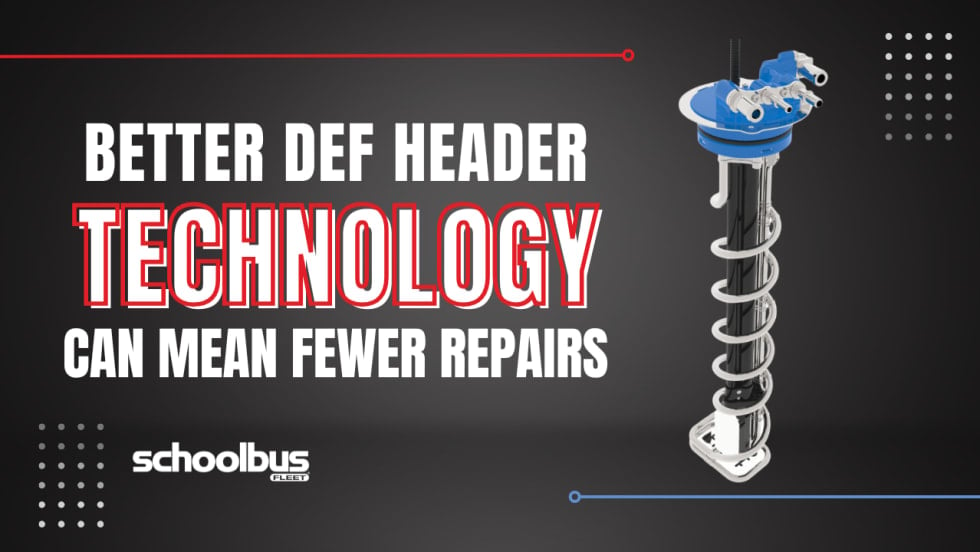
The Evolution of DEF Header Technology: What School Bus Operations Should Know at Replacement Time
See what school bus fleets should consider when replacing DEF headers to improve reliability, reduce repeat repairs, and control maintenance costs.
Read More →
The Essential Guide to School Bus Maintenance and Student Safety
Your district's buses carry students to school every day. This guide shows how predictive maintenance powered by fleet data helps keep buses reliable, drivers accountable and students safer from the first bell to the last stop.
Read More →
Kerry Brothers Grows Michigan School Bus Repair Network
The acquisition of Downriver Truck and Bus expands Kerry Brothers’ school bus maintenance footprint across southeast Michigan, adding repair capacity, diagnostic resources, and state inspection support.
Read More →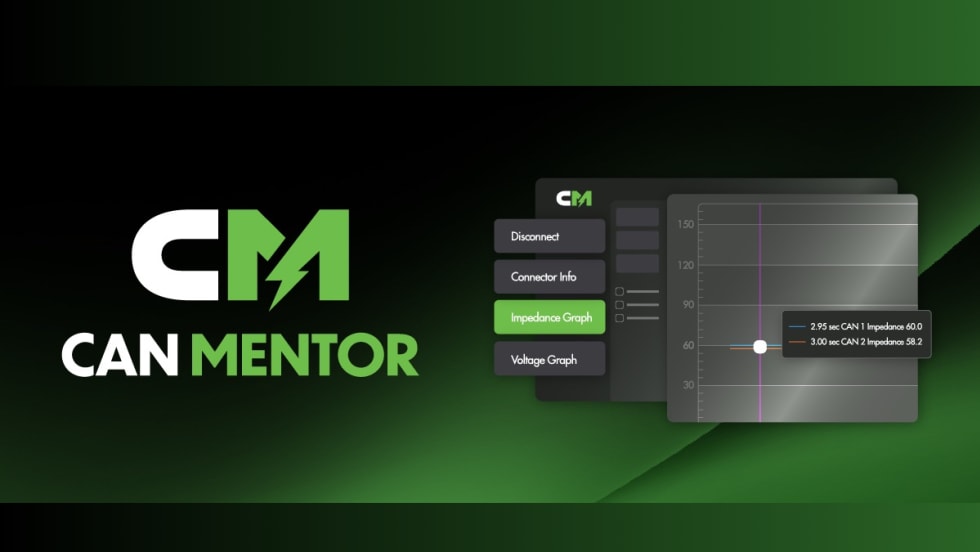
Noregon Introduces CAN Bus Diagnostic Tool, Expands JPRO Features
CAN Mentor and the latest JPRO update aim to simplify vehicle network diagnostics and improve repair efficiency for technicians of all experience levels.
Read More →
Cummins on Smarter, Simpler Engine Innovation
Cummins discusses its first-ever gasoline engine for school buses, EPA 2027, and why bus fleets still want durable, simpler internal combustion options.
Read More →
Report: 72% of Diesel School Buses Now Use Advanced Low-Emission Engines
New data shows advanced low-emission diesel technology continues expanding across school bus fleets, even as electric bus adoption gains momentum.
Read More →
Vampire Tools' CAIMAN 7.5-Inch Multi-Purpose Screw Extractor Long-Nose Pliers with Crimper
Vampire Tools introduced the VAMPLIERS Caiman 7.5-inch multi-purpose pliers, combining screw extraction, cutting, crimping, and gripping functions into a single tool designed for fleet maintenance professionals.
Read More →
How Advanced Diagnostics Helps Bus Fleets Stay Ahead of Repairs
Chat with Noregon’s Kevin Smallhorn at ACT Expo about bus diagnostic tools, telematics integration, CNG maintenance support, and strategies to help reduce downtime and improve uptime.
Read More →
How School Bus Fleets are Getting Ahead of Breakdowns
Don’t let bus downtime wear you down. Here’s how bus operators are shifting from manual processes to AI-powered, data-driven maintenance systems for improved reliability and safety.
Read More →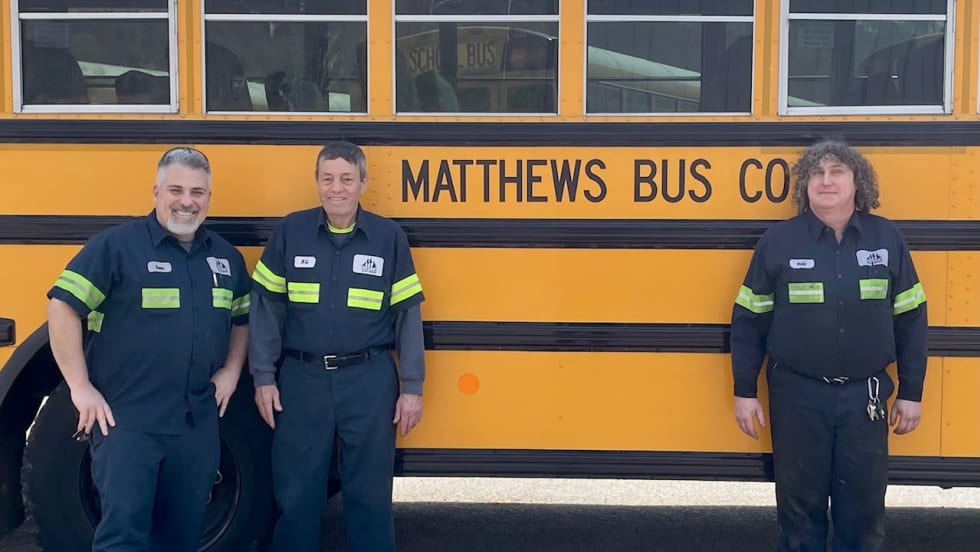
Pennsylvania School Bus Maintenance Team Praised for Dedication to Safety
Matthews Bus Company’s West Jefferson received a letter of commendation from the Pennsylvania State Police for their fleet inspections.
Read More →