




Breaking news in pupil transportation
School charter accidents spur FMCSA to offer assistance WASHINGTON, D.C. — Two recent school charter accidents involving motorcoach co...

School charter accidents spur FMCSA to offer assistance
WASHINGTON, D.C. — Two recent school charter accidents involving motorcoach companies have prompted the Federal Motor Carrier Safety Administration (FMCSA) to offer its assistance to school districts. In a statement to a House appropriations subcommittee on May 9, Julie Anna Cirillo, acting deputy administrator of the FMCSA, said the administration will initiate a program to help school districts and parent-teacher organizations select bus companies with good safety records. “We will provide access to our data systems so they can identify which bus operators have the best safety records,” she said. Concern about school charter safety has been spurred by two recent crashes. On April 6, a motorcoach bus transporting a group of North Carolina high school students to a music competition in Florida crashed near Kingsland, Ga. Twenty-two students were injured in the crash, some seriously. Following the accident, FMCSA officials investigated the tour company that provided the bus — AMA Tours Unlimited in Fayetteville, N.C. — and found several violations involving drug and alcohol testing, hours of service and vehicle inspection and maintenance. The FMCSA fined the tour company $35,500. Three weeks after the crash near Kingsland, Ga., a motorcoach bus transporting Newton, Mass., middle-school students to a music festival in Nova Scotia crashed near Sussex, New Brunswick, killing four students and injuring dozens of others. The bus was carrying 42 members of a middle school band when it failed to negotiate a hairpin turn and crashed along the Trans-Canada Highway. According to published reports, the driver, Hin Chi Kan, spoke little English and needed the help of a chaperone to translate road signs. He apparently could have avoided the hairpin turn where the crash occurred if he had not missed the proper turnoff minutes earlier.
Blue Bird unveils new conventional bus
FORT VALLEY, Ga. — Blue Bird Corp. has introduced a new conventional school bus built on a Ford-based chassis with a Cummins ISB engine. The 2002 model features a low-profile hood to improve front-view driver visibility and a “Safety View” vision panel that is positioned at the lower right front loading/unloading zone. This trademark innovation improves the driver’s direct-sight visibility in this critical area. The new conventional also features a new driver cockpit and front dash area with easy-to-read gauges and a standard tilt steering column. A Bostrom driver seat helps to reduce fatigue. Options include air brakes, engines from 190 to 245 hp, Allison automatic transmission and a perforated acoustical ceiling to reduce interior noise levels. Incremental wheelbases of 156 to 275 inches allow passenger capacities ranging from 36 to 77. The standard wheelbase is 254 inches, with a 66-passenger capacity. Headroom is 74 inches. For more information about this new product, contact a Blue Bird distributor in your area. To locate your nearest distributor, call (800) 486-7122 or visit Blue Bird’s Website at www.blue-bird.com.
More Safety
How a Texas District Built an Award-Winning Safety Culture
Rockwall ISD's Jennifer Gardella joins The Route to share lessons learned on accident prevention, driver training, coaching, technology, and team culture.
Read More →
How Rockwall ISD Built an Award-Winning Safety Culture
How did one Texas transportation team strengthen bus and traffic safety? Jennifer Gardella shares lessons on driver training, coaching, technology, and team culture. The Route is brought to you by IC Bus.
Read More →
North Carolina Student Killed While Boarding School Bus, Two Die in Utah Bus Crash
A Southern Nash High School student died after being struck by a pickup truck while approaching her school bus. In a separate incident, two people were killed after crashing into a school bus in Utah.
Read More →
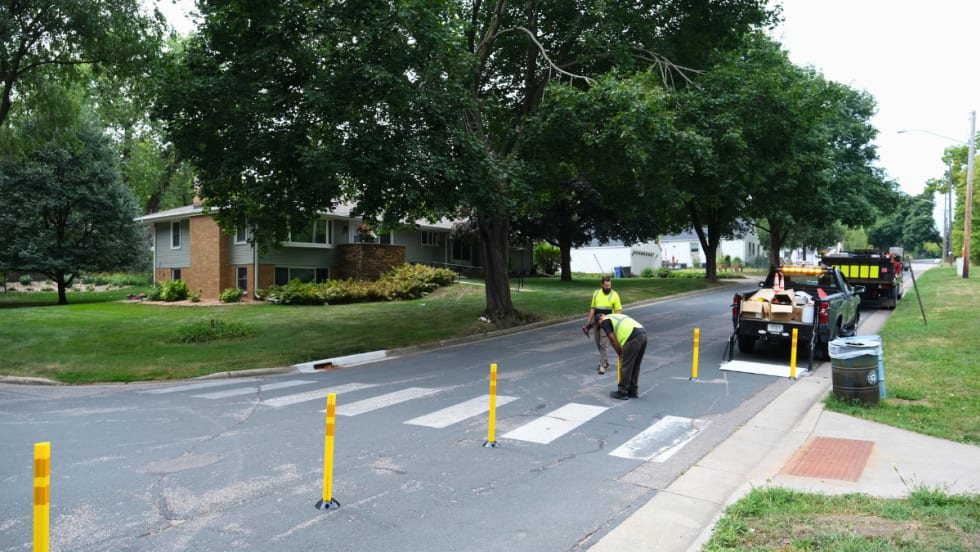
Minneapolis School Zone Pilot Cuts Speeding 41% with Low-Cost Street Design Changes
In a pilot project in Minnesota, two school-area intersections had low-cost, temporary road and traffic flow improvements made to measure the impact on roadway and student safety. Here's what they found.
Read More →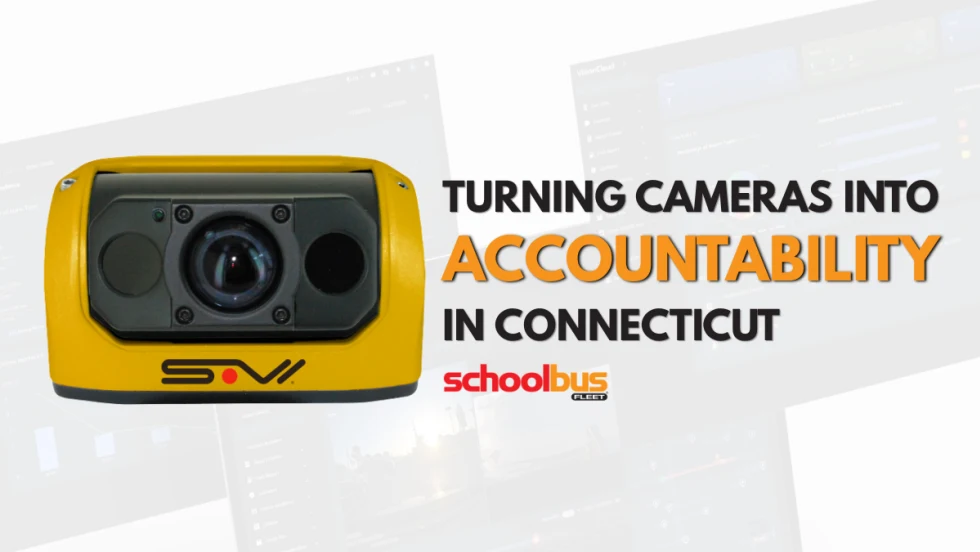
Sitestream, Safety Vision Partner with Connecticut City to Launch School Bus Stop-Arm Camera Program
The new enforcement initiative combines camera technology and violation management software to document illegal school bus passing, encourage driver compliance, and enhance student safety.
Read More →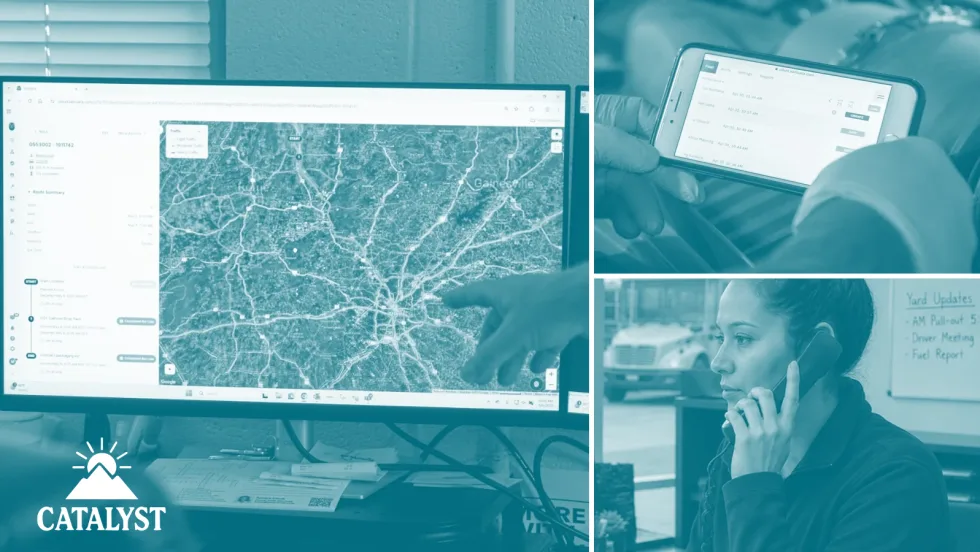
From Reactive to Proactive: Making Every Ride Visible
Smart technology only delivers its full value when it works together. See how Catalyst connects proven industry platforms to move student transportation from reactive to proactive.
Read More →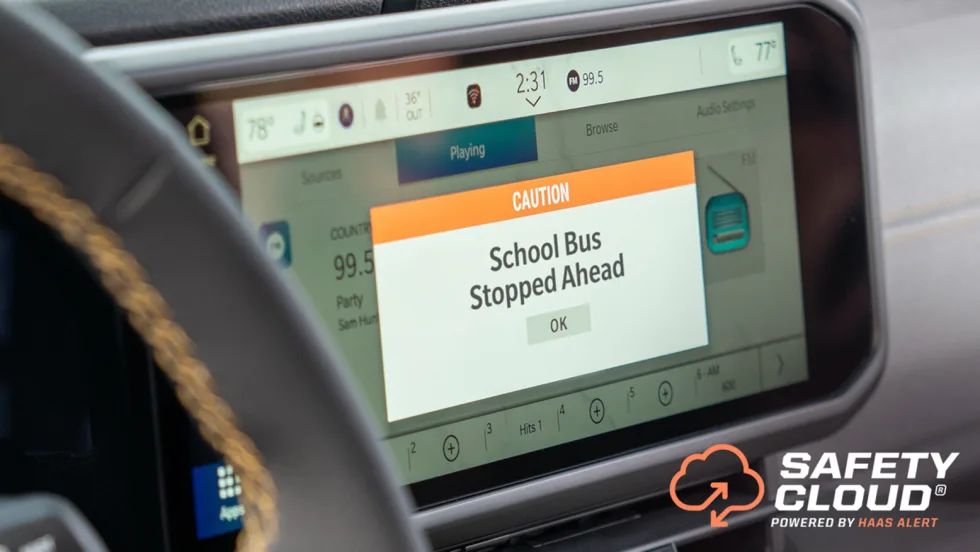
HAAS Alert’s Safety Cloud Warns Motorists of Stopped School Buses
Through a transponder or Samsara connection, the product lets school bus fleets send advance warnings to approaching drivers through in-vehicle alerts.
Read More →
HopSkipDrive Reports Progress on Safety Advisory Council
More than a year after forming the council, independent safety experts have helped shape new rider-safety features and policy progress, with a new goal to address rider behavior.
Read More →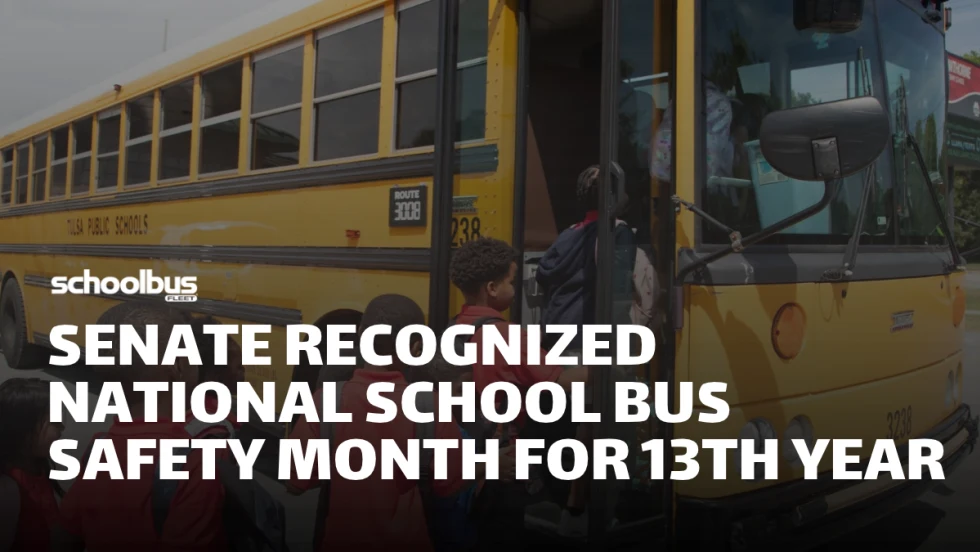
What the 2026 National School Bus Safety Month Resolution Means for Student Transportation
The bipartisan resolution highlights illegal school bus passing, student safety during loading and unloading, and the need for driver training and public education.
Read More →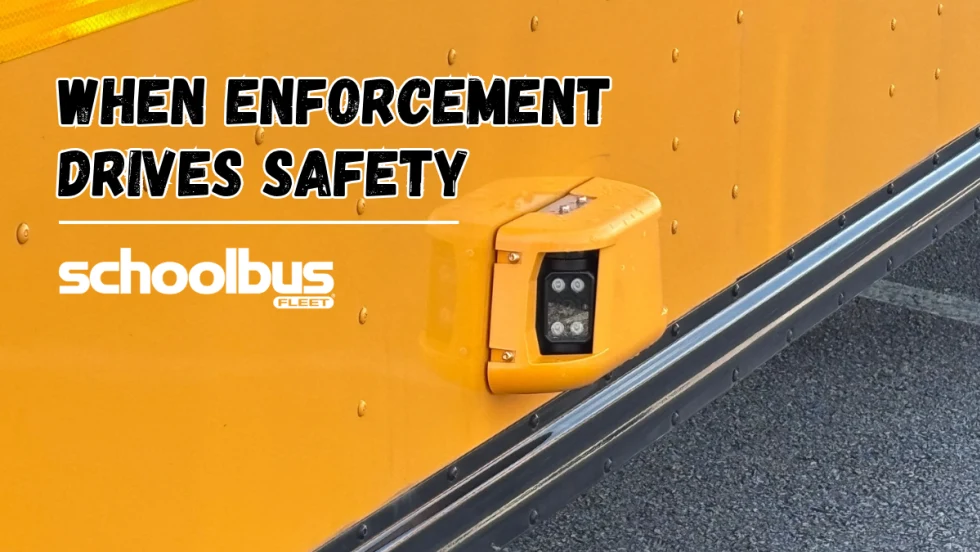
School Bus Stop-Arm Violations Decline 53% Across Verra Mobility Programs
Verra Mobility shares how school bus stop-arm cameras and school zone safety programs are changing driver behavior, reducing violations, and protecting students.
Read More →