




Best Practices for the Use of Child Restraint Systems
The growing population of infants, toddlers and preschoolers on school buses presents a wide range of challenges to the transportation provider. Many ...
The growing population of infants, toddlers and preschoolers on school buses presents a wide range of challenges to the transportation provider. Many of these challenges test the operator's knowledge and experience. I know this because I field calls every day from conscientious, compassionate school bus professionals who are desperate for information on how to safely transport these youngsters. A good starting point for school bus operators is to ensure that their equipment - including child safety seats, seat belts and seat frame anchorages - conform to federal motor vehicle safety standards (FMVSS). Using proper restraint
Although many child restraints are available, there is no single safety seat that is best or safest. The important thing is that the child restraint meets the performance requirements of FMVSS 213. This information should be listed on a label attached to the child safety seat. The type of child restraint that you choose will depend on each child's needs. For example, a safety seat with a shield should not be used with a child who wears glasses, which could injure the youngster if he or she is pitched forward during a sudden stop. If possible, test a variety of child restraint systems before buying one. You might even want to drive the school bus to the vendor's shop for on-the-spot testing. Another important aspect of using a child restraint system on a school bus is making sure that it is secured with seat belts that meet FMVSS 208 (occupant crash protection) and 209 (seat belt assemblies). Be especially careful to ensure that aftermarket seat belts meet these standards. There are seat belts designed for positioning purposes only, and they should not be used to secure a child restraint. Once you've confirmed that the child restraint and the seat belts meet federal safety standards, you have one more piece of equipment that you must check - the seat belt assembly anchorage. These seat frames must meet FMVSS 210, which ensures that anchorages for seat belt assemblies provide effective occupant restraint. All school buses with a gross vehicle weight rating (GVWR) below 10,000 pounds are required to comply with standards that apply to occupant protection. Thus, they must have federally approved seat belts and anchorages. Meanwhile, manufacturers of school buses with a GVWR of 10,000 pounds and over voluntarily comply with these standards. If belts are installed at the point of manufacture, they will meet the federal standards. If a school district intends to add seat belts to an existing bus, it is crucial that the manufacturer of the vehicle is contacted to see if retrofitting is possible. Anchoring seat belts to a bus seat frame that does not meet federal specifications could jeopardize the securement of the child restraint. Keys to securement
Once you've ascertained that all of the equipment meets federal standards, the next step is to properly secure the safety seat. Before using the child restraint, it's important to read the manufacturer's instructions on proper installation and usage. If you no longer have the instructions, the manufacturer can provide them if you know the model number and date of manufacture. As a rule of thumb, infants should ride facing the rear of the vehicle until they're one year old or 20 pounds. A child weighing 20 to 40 pounds should face forward. Manufacturers' guidelines may vary slightly. In the case of a child that has outgrown a child restraint - and yet would not benefit from compartmentalization - we recommend that the bus operator use a vest restraint. Each child safety seat has a designated path to route the seat belt, depending on how it is used. The seat belt should be pulled tightly while putting weight into the child restraint. After you've secured the child restraint system to the bus seat, you need to secure the infant or toddler in the safety seat. This involves placing the harness straps over the child's shoulders so they're snug, allowing only one finger between the strap and the child's body. Some child restraints have a retainer clip that keeps the harness on the child's shoulders. The retainer clip should be positioned at armpit level. A quick way to determine if a child has outgrown a child restraint is to see if his or her ears are above the top of the restraint. If so, the child is too tall for the restraint. If you are unsure about a child restraint, or you are having problems with it, contact the manufacturer. To see if it has been recalled, call the National Highway Traffic Safety Administration's Auto Safety Hotline at 800/424-9393. Kentin Gearhart is project manager of the Mobile School Bus Project at Riley Hospital for Children in Indianapolis.
More Safety

How to Build a Better School Bus Driver Training Program
Is it time to strengthen your driver training? Here’s how to pick the right talent and improve recruitment, retention, and safety. This video is brought to you by IC Bus.
Read More →
Recent School Bus Accidents Leave 2 Dead, 2 Injured
Four school bus crashes in Florida, Illinois, and Georgia highlight risks in transportation lots, at bus stops, and during student loading and unloading.
Read More →
When Every Second Matters, Clarity Keeps Routes Moving
From routine delays to urgent incidents, strong communication practices help drivers, dispatchers, schools, and families respond with confidence.
Read More →

What Happens When a School Bus Catches Fire — and What Can Help
School bus fires are rare but can be devastating. Learn how advances in fire suppression and asset protection help fleets detect fires earlier, reduce damage, and improve safety.
Read More →
Geotab Launches Tool to Help Fleets Investigate Road Incidents
Geotab Investigations combines telematics data, video, documents, and other evidence to help fleets reconstruct incidents, resolve claims, and determine what happened.
Read More →
Texas Sixth Grader Wins 2026 National School Bus Safety Poster Contest
Sai Darshana Yekolu of Moseley Middle School in Prosper, Texas, was named the newest winner for her artwork, bringing the theme of “Safe Rides, Everyday Heroes” to life.
Read More →
Doing More With Less: How Transportation Directors Can Prioritize Safety Amid Budget Uncertainty
With diesel prices soaring and nearly one-third of transportation directors expecting budget cuts, maintaining student safety has never been more challenging. Download this guide to learn how leading districts are prioritizing risk, funding critical safety technology, and building stronger budget cases with data.
Read More →
Walton County Schools Adds Gatekeeper Stop-Arm Enforcement System
The Florida district will deploy Gatekeeper’s updated Student Protector technology, which now incorporates AI to improve video evidence.
Read More →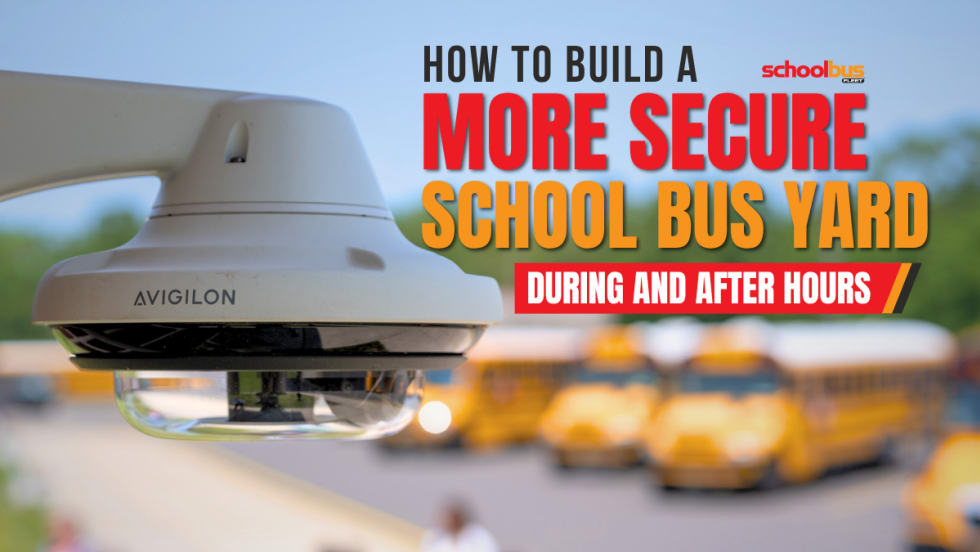
How To Build a More Secure School Bus Yard During and After Hours
As thefts and overnight security threats continue, school transportation leaders are combining stronger operational practices with AI-enabled surveillance to better protect buses, facilities, and staff.
Read More →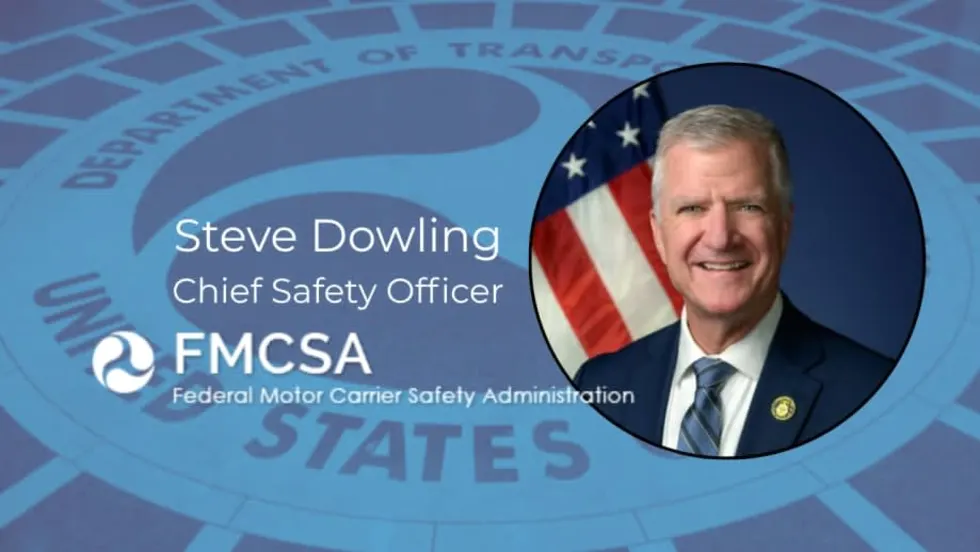
FMCSA Names New Chief Safety Officer: What School Bus Operators Should Know
Steve Dowling is set to lead the federal agency's efforts to advance commercial motor vehicle safety and reduce crashes, fatalities, and injuries on the nation's roadways.
Read More →