





Dig Deeper: A Push for Propane: Schools Report Alt-Fuel Successes
Alt-Fuel for Non-Electrifiers: 3 Reasons to Consider Propane
When high acquisition and infrastructure costs make electrification unrealistic, propane is an easy and cost-effective alternative to reduce tailpipe emissions. Learn the three reasons Blue Bird's Steve Whaley says propane is a winning formula for school bus fleets.
September 18, 2024
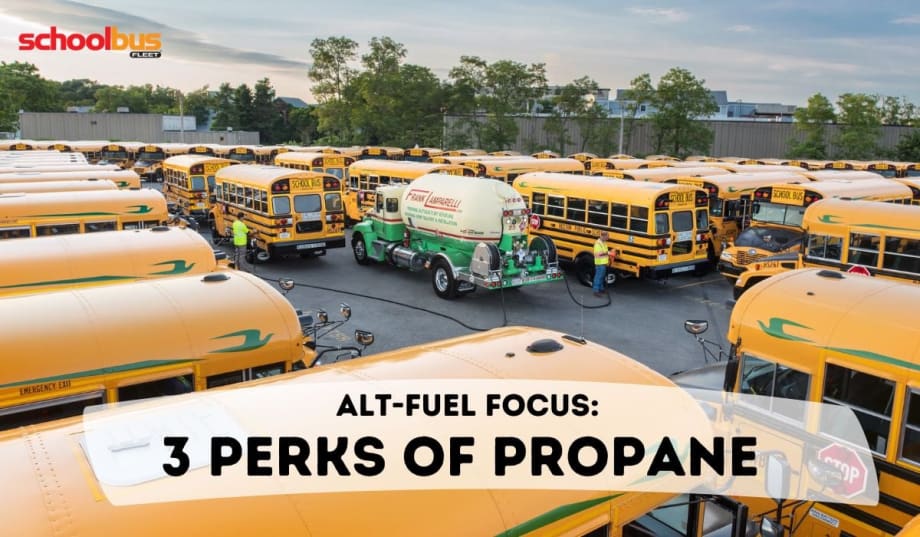
Going electric isn’t for everyone. While it may be the quickest way to reduce emissions, costs and infrastructure needs can be problematic for some districts.
Photo: Blue Bird/Canva
5 min to read
Today’s school bus fleets have four energy options: diesel, gas, electric, and propane (also referred to as LPG — liquefied petroleum gas — or propane autogas).
While diesel-powered school buses have long been the industry standard, comprising roughly 90% of the nearly 500,000 buses in operation today, environmental concerns are teeing up a shift to alternative fuel options.
“Increased standards on emissions in transportation have made it extremely difficult for diesel to comply and interest in alternatives to diesel has been on nearly every school district’s agenda,” explained Steve Whaley, alternative fuels manager for bus manufacturer Blue Bird Corporation.
Electric school buses are the most effective way to slash emissions, but higher acquisition costs — which are about three times the cost of a diesel bus — and infrastructure requirements are often prohibitive for school districts.
So, what do you do if you want to pivot away from diesel but electrification isn’t an option for your entire fleet?
Whaley offers three reasons to consider propane.
Why Propane?
Propane-powered school buses allow school bus fleets to reduce emissions while also lowering operating costs. The following benefits of propane explain why.
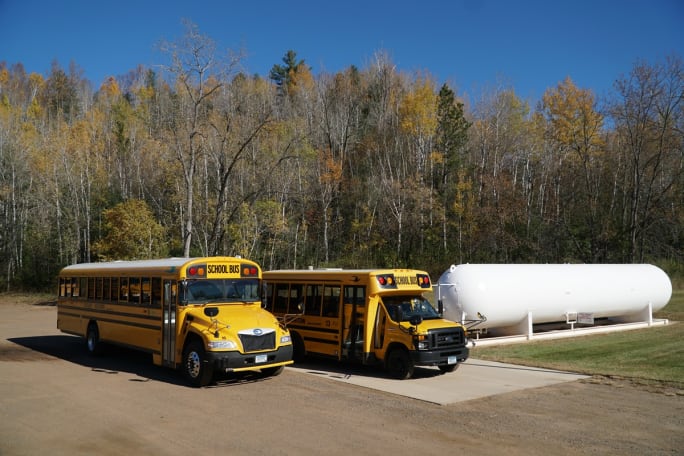
It can be about 10% more in acquisition costs to switch to propane buses from a diesel, but the lower fuel costs quickly take care of the investment.
Photo: Blue Bird
1. Emissions
School buses that run on propane help school bus fleets dramatically reduce emissions compared to their diesel counterparts.
When comparing diesel and propane buses, the Propane Education & Research Council (PERC) found propane-powered buses:
- Emit virtually zero particulate matter (also known as particle pollution)
- Reduce nitrogen oxide (NOx) emissions by 96%
- Have engines that run 90% cleaner than mandated EPA standards
A West Virginia University study that compared a 2015 LPG-powered Blue Bird school bus with a 2014 ultra-low sulfur diesel Blue Bird school bus also found the same results.
“Using propane reduces harmful emissions, like NOx, by more than 90% compared to diesel, making it very easy to reach sustainability goals,” Whaley said.
With propane, emission reductions add up quickly. In 2018, 20 Pennsylvania school districts deployed approximately 1,000 propane school buses. The shift from diesel to propane has eliminated 5,000 tons of carbon dioxide per year across the districts.
2. Easy Transition
Unlike electrification, which typically requires a significant infrastructure investment, specialized technician training, and pristine maintenance conditions, using propane is very similar to using gasoline.
“The adoption of propane buses is much simpler than most imagine,” Whaley said. “It is exactly the same engine as the gasoline-powered bus but with a different fuel tank and injectors. There are several fuel tank capacity options, with the largest providing over 400 miles of range regardless of climate. It’s also an easy step for mechanics to transition to servicing a propane fueling system.”
Although propane isn’t as widely accessible as gasoline, school bus fleets don’t necessarily have to purchase LPG fueling equipment (tank, dispenser, and fuel management system) on site. Oftentimes, the fuel supplier will provide the necessary fueling infrastructure. Beyond installing scalable fueling infrastructure on site, other options include mobile fueling or temporary/portable systems.
“The most significant aspect of the propane alternative is the ease of obtaining fueling infrastructure,” Whaley said. “Propane suppliers acquainted with transportation fueling will provide the equipment needed to fuel any fleet size at no capital expense. A one- to three-year agreement with a locked-in fuel cost will secure this equipment, which dispenses 10 gallons per minute and can be easily scaled up or moved to another location.”
3. Total Cost of Ownership
Whaley said propane buses can cost up to 10% more than a diesel bus, but when looking at the total cost of ownership, school districts will still spend less to operate propane buses versus diesel.
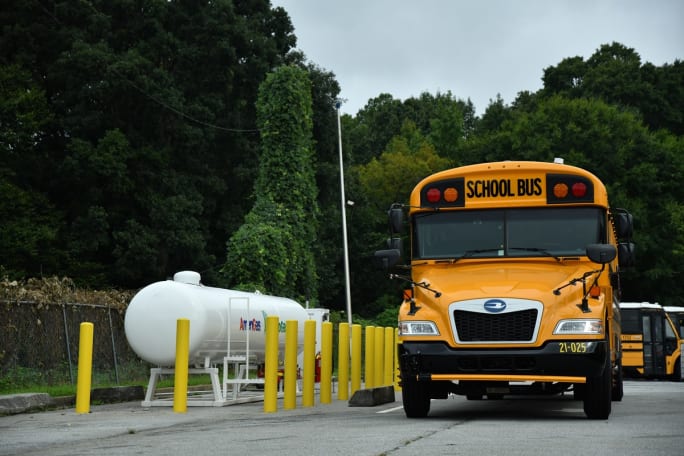
Switching to propane can cut emissions by up to 90% compared to diesel, according to Blue Bird Corporation.
Photo: Blue Bird
Part of the reason is that propane costs less than diesel, and propane buses don’t require diesel exhaust treatments, like DEF and particulate matter filters.
“The less than 10% acquisition cost over a diesel bus is quickly offset by lower fuel costs, which are about 50% less than diesel,” Whaley said. “On average, school bus fleets operating propane buses have reported a $3,500 per bus per year savings over their diesel buses.”
Per Blue Bird’s findings, propane also wins on cost per mile. Without factoring in grants or incentives, here’s how the four fuel options compare:
- Propane @ $1.20/gallon — $1.01
- Diesel @ $3.50/gallon — $1.21 per mile
- Gas @ $3.25/gallon — $1.26 per mile
- Electric @.12/kWh — $2.25 per mile
For the 20 school districts in Pennsylvania, the total cost of ownership for their propane buses turned out to be around $143,000 less than diesel school buses.
What About Gasoline?
Gasoline is an option that comes with its own benefits, but gas-powered buses have a higher cost per mile and don’t yield the environmental advantages that come with operating propane school buses.
“Gas is the easiest step away from diesel. Everyone is familiar with gasoline and its ubiquitous infrastructure for fueling and even wider base of service technicians than diesel. It can provide the same range and operational duty cycle demands as diesel,” Whaley said. “It doesn’t address the need to aggressively pursue much lower emissions, but it is a step in the right direction to reduce maintenance costs compared to diesel.”
How to Choose the Right Option for Your School Bus Fleet
Although Whaley sees the advantages of propane over gasoline, diesel, and electric power, he said school districts need to weigh their options based on their individual circumstances.
“We can make the exact same bus with all four energy options. All of the alternatives to diesel can be a good fit if applied to the most appropriate operational duty cycle,” he said. “Considering the factors involved in selecting the right mix of alternative energy options for your fleet is key.”
When choosing an alternative fuel, factors to consider include:
- Capital expenditure
- Available energy to dispense into vehicles
- Fuel/energy costs and availability
- Range needed
- The local climate
Whaley recommends working with bus manufacturers, who can be a tremendous help in finding and transitioning to the right fueling option for your school bus fleet.
“Your bus dealer representatives have a tremendous amount of informational resources and experiences with other fleets near you that have adopted alternative-fueled buses,” he said. “They can help you identify funding opportunities in your area, energy and infrastructure providers with successful track records, and put you in contact with peers that you can benefit from their experiences.”
Subscribe to Our Newsletter
More Alternative Fuels

CALSTART and Forth Combine to Form Catalyst Mobility
The new name represents a renewed vision for the nonprofit focused on advancing clean, equitable, and affordable transportation solutions that move people and goods.
Read More →
Alt-Fuel Moves: New Buses, Charging Hubs & Real-World EV Testing
Propane and electric school bus deployments continue to grow as districts add new vehicles, expand charging infrastructure, and gather more real-world operating data.
Read More →
Fewer Electric School Bus Models Reshape the U.S. Market
WRI’s latest buyer’s guide points to a consolidating electric school bus market, but fewer options may reflect a maturing industry rather than fewer meaningful choices for school bus operators.
Read More →
The Fuel Budget You Can Actually Predict: How Propane Autogas Keeps Money in the Classroom
Learn how propane autogas helps school districts manage fuel costs with predictable pricing, lower maintenance, and reduced emissions from former transportation director Joel Stutheit.
Read More →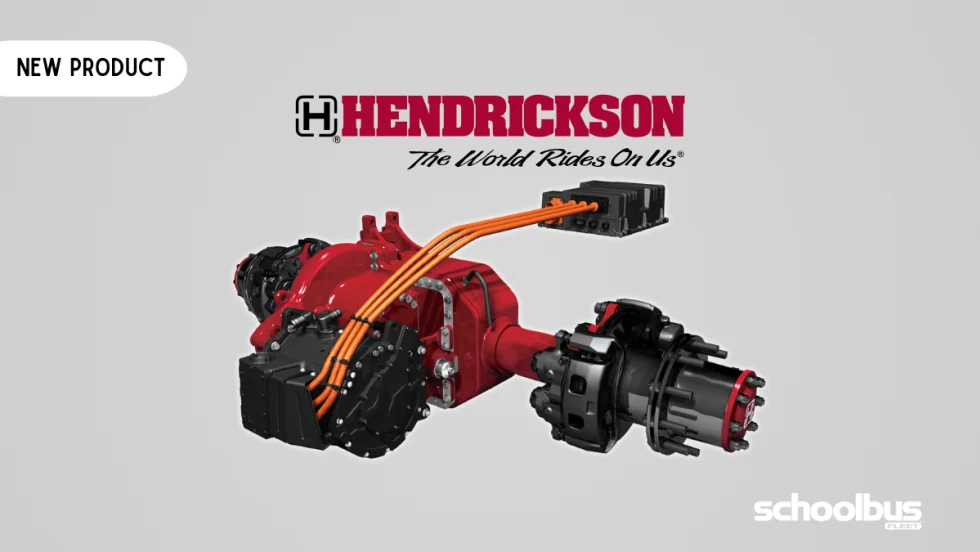
Hendrickson, Driventic Introduce New Electric Powertrain for School Buses
ELECTRAAX, the electrified, lightweight drive axle offers integrated ePowertrain efficiency and modular flexibility for Class 6–7 school bus use.
Read More →
The Mobility House Joins PowerFlex in Fleet Electrification Deal
The acquisition combines intelligent charging software, bidirectional charging expertise, and fleet electrification services to support the growing adoption of electric school buses across North America.
Read More →
Alt-Fuel Moves: Electric School Bus Investments Hit the Road
See which districts across the U.S. are putting electric school buses into service, expanding charging infrastructure, and planning the next phase of fleet electrification.
Read More →
With Fuel Volatility Ahead, School Districts Turn to Propane
While diesel prices peaked above $5 this spring, districts with propane autogas-powered fleets paid under $2 per gallon, according to PERC.
Read More →
EPA Unveils Proposed Changes to 2027 Heavy-Duty Engine Rules
The federal agency has proposed changes to next year’s targets that would eliminate DEF derates, ease warranty requirements, and retain current NOx emissions standards.
Read More →
Alt-Fuel Moves: EV Charging & Infrastructure Projects Gain Momentum
The latest developments include new funding, charging infrastructure, utility investments, and fleet technologies designed to support the transition to electric school buses nationwide.
Read More →