




A mistake that can be fatal
The tragedy took place just blocks from our home. An 86-year-old man in a Buick Le Sabre struck a stopped car, continued through an intersection a...

The tragedy took place just blocks from our home.
An 86-year-old man in a Buick Le Sabre struck a stopped car, continued through an intersection and drove through our local farmers market, striking pedestrians and vendors’ displays before coming to a stop.
The accident, on a summer afternoon in 2003 in Santa Monica, Calif., took the lives of 10 people and injured 63 others. Fortunately, none of my family members or friends was at the scene, but the sting of emotions — shock, anger, fear — infiltrated the community.
I mention this horrendous accident because it was brought up by the National Transportation Safety Board (NTSB) as it discussed some recent school bus crashes. The common thread is “pedal misapplication,” which is when a driver mistakenly hits the accelerator instead of, or in addition to, the brake pedal.
Accidental acceleration
After investigating the Santa Monica accident, the NTSB found that the probable cause was pedal misapplication on the part of the Buick driver.
As we detail here, the NTSB has produced a special investigative report on pedal misapplication that focuses on a few school bus crashes from the past several years.
One was the 2005 accident in Liberty, Mo., in which the driver lost control of her bus and hit two vehicles, killing two motorists and injuring at least 23 students. The driver reportedly told officials that she could not stop the bus.
Another accident covered in the report (a synopsis of which was available at press time) was at a Falls Township, Pa., high school in 2007. A school bus suddenly accelerated, struck several students and then crashed into a retaining wall. Twenty students were injured.
The NTSB determined that pedal misapplication by the school bus drivers was the probable cause of both of those accidents.
NTSB has now recommended that the National Association of State Directors of Pupil Transportation Services (NASDPTS) and the National Association for Pupil Transportation (NAPT) advise their members of the dangers of pedal misapplication and to consider driver refresher training and suggested mitigation strategies.
After the NTSB announced its recommendations, NAPT said that it would include a new workshop on pedal misapplication in its upcoming conference in Louisville, Ky. The association also noted that it held a workshop covering the topic a few years ago.
At the NASDPTS conference, also to be held in Louisville, NTSB staff member Dennis Collins is scheduled to present the agency’s findings and recommendations.
Clearly, this is a subject that deserves the extra attention.
A lasting effect
We don’t live in Santa Monica anymore, but when we visited that farmers market in the years after the crash, it was hard to keep the images of its aftermath, which we had seen in the news, out of our heads.
But there was also a sense of security. Where there had been wooden and plastic barricades at the ends of the market area, there were now city fleet cars positioned sideways across the street.
It’s unfortunate that it often takes a tragedy to prompt sufficient safety measures.
More Safety

How to Build a Better School Bus Driver Training Program
Is it time to strengthen your driver training? Here’s how to pick the right talent and improve recruitment, retention, and safety. This video is brought to you by IC Bus.
Read More →
Recent School Bus Accidents Leave 2 Dead, 2 Injured
Four school bus crashes in Florida, Illinois, and Georgia highlight risks in transportation lots, at bus stops, and during student loading and unloading.
Read More →
When Every Second Matters, Clarity Keeps Routes Moving
From routine delays to urgent incidents, strong communication practices help drivers, dispatchers, schools, and families respond with confidence.
Read More →

What Happens When a School Bus Catches Fire — and What Can Help
School bus fires are rare but can be devastating. Learn how advances in fire suppression and asset protection help fleets detect fires earlier, reduce damage, and improve safety.
Read More →
Geotab Launches Tool to Help Fleets Investigate Road Incidents
Geotab Investigations combines telematics data, video, documents, and other evidence to help fleets reconstruct incidents, resolve claims, and determine what happened.
Read More →
Texas Sixth Grader Wins 2026 National School Bus Safety Poster Contest
Sai Darshana Yekolu of Moseley Middle School in Prosper, Texas, was named the newest winner for her artwork, bringing the theme of “Safe Rides, Everyday Heroes” to life.
Read More →
Doing More With Less: How Transportation Directors Can Prioritize Safety Amid Budget Uncertainty
With diesel prices soaring and nearly one-third of transportation directors expecting budget cuts, maintaining student safety has never been more challenging. Download this guide to learn how leading districts are prioritizing risk, funding critical safety technology, and building stronger budget cases with data.
Read More →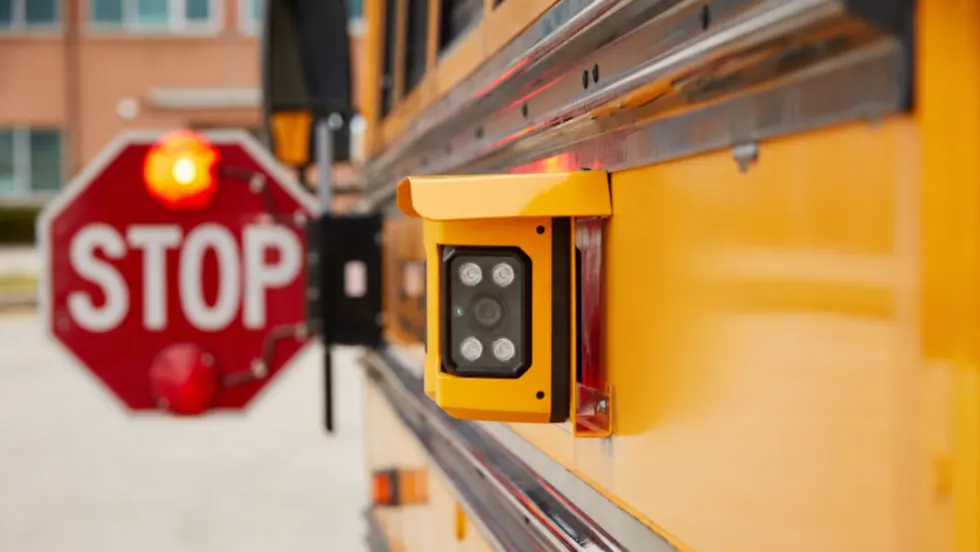
Walton County Schools Adds Gatekeeper Stop-Arm Enforcement System
The Florida district will deploy Gatekeeper’s updated Student Protector technology, which now incorporates AI to improve video evidence.
Read More →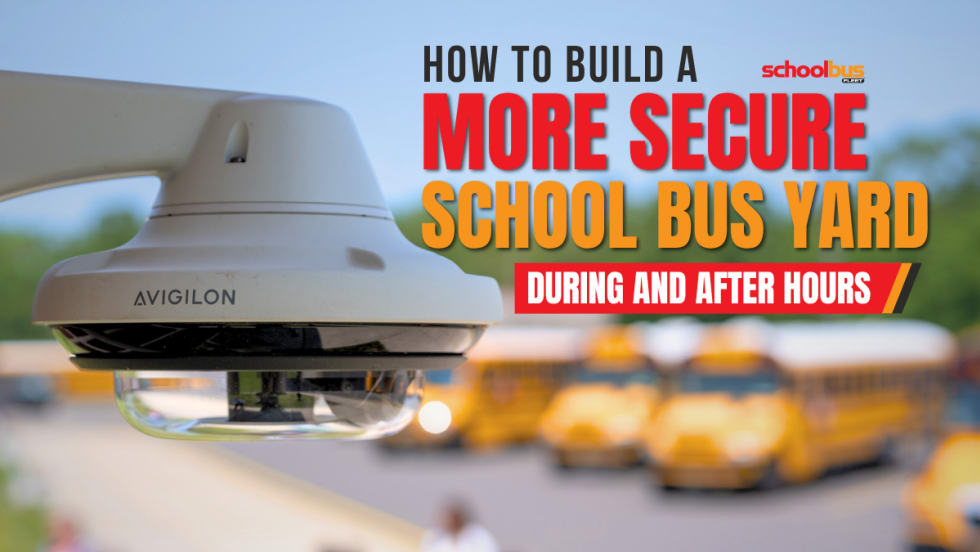
How To Build a More Secure School Bus Yard During and After Hours
As thefts and overnight security threats continue, school transportation leaders are combining stronger operational practices with AI-enabled surveillance to better protect buses, facilities, and staff.
Read More →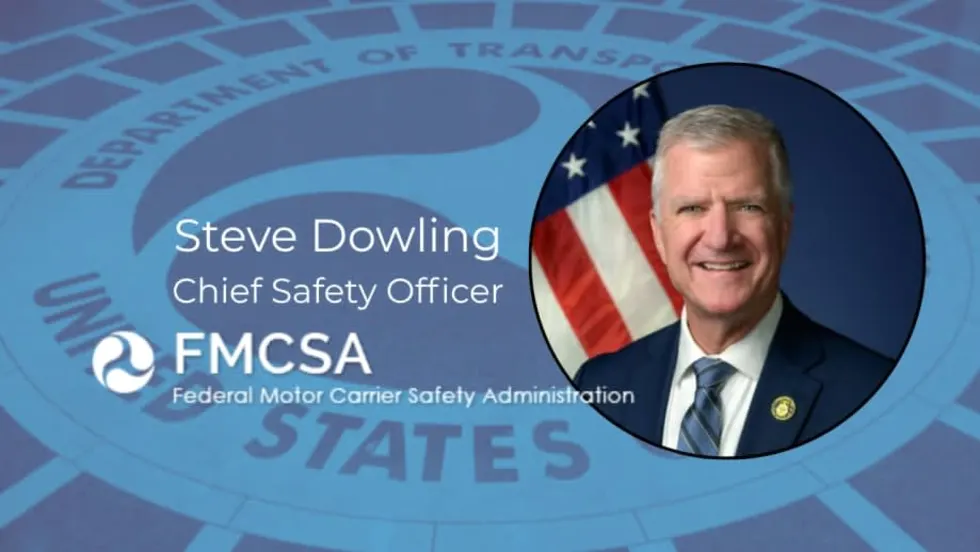
FMCSA Names New Chief Safety Officer: What School Bus Operators Should Know
Steve Dowling is set to lead the federal agency's efforts to advance commercial motor vehicle safety and reduce crashes, fatalities, and injuries on the nation's roadways.
Read More →