




6 Ways to Find a Mentor
Pinpointing what you want help accomplishing, networking inside and outside your industry, and seeking someone you admire who will push you are key to bolstering your career with a mentor.


Both mentors and mentees benefit from a formal relationship in any team.
Gerd Altmann from Pixabay
- Define specific goals you want a mentor to help you achieve.
- Engage in networking activities both within and beyond your industry.
- Look for someone you admire and who can challenge you.
*Summarized by AI
In an industry as complex, technical, and ever-changing as transportation, having a mentor can be helpful or even essential to career advancement.
Karen Main, a professional speaker, writer, trainer, and leadership consultant, points out that sometimes people think of a mentor as something only those in C-suite positions or at the top of organizations “deserve,” which is not true.
“Mentors are for everyone — and being a mentor can sometimes be one of the most fulfilling roles to play,” she says.
Moreover, everyone should have a mentor, regardless of their industry, says Lori Olson, fleet sales director at Pulse. Olson is also a member of the Automotive Fleet Leasing Association’s (AFLA’s) Women in Fleet Management (WIFM) mentorship program.
Mentoring partnerships are mutually beneficial and rewarding, says Renee Boydo, senior manager of safety training and development for school bus company First Student. Both the mentor and mentee can improve communication skills, learn new ways of thinking, and experience greater job satisfaction.
“Mentors can develop leadership skills and gain a personal sense of satisfaction, pride, and distinction,” Boydo, who is also involved in First Student’s mentorship program pilot for school bus drivers, adds. “Mentees can expand their knowledge and skills, gain valuable advice from an experienced driver, and build their professional networks.”
Boydo says that First Student’s mentorship pilot program is designed to give new drivers additional support and guidance to get acclimated and be set up for success. Mentors help new drivers transition from the “training world” to the “real world,” she adds, guiding them through policies and procedures, and providing positive reinforcement, and direction.
Mentorships are not just for entry-level employees; they can also help experienced workers who need help stepping up into a leadership role.
Workforce development that includes such programs are especially valuable in the transportation industry, which is experiencing staffing shortages and hurdles in succession planning as more top-level leaders retire.
“For any organization, growth is dependent on equipping newcomers to take over one day, and mentoring allows a safe place for leadership to be developed,” Olson adds.
Additionally, the fleet maintenance and services area has become overwhelmingly complex over the last 15 years, following the introduction of diesel engine aftertreatment systems, says Bruce Stockton, principal of Missouri-based Stockton Solutions, a consultancy for all facets of the transportation sector. That makes the search for fleet maintenance experts more of a challenge.
“Those fitting the requirements are hard to find, often won't relocate, and have become extremely expensive to recruit away, [expecting] annual compensation of over $200,000,” he adds.
An easier and more cost-effective solution has been mentoring up-and-coming leaders with a high level of interest in the maintenance side of the business but no related experience, Stockton says.
1. Be clear on why you want a mentor, and how you want to work together.
“What do you want help with? You should be able to explain your goals to your mentor so he/she understands them,” Main says.
A big challenge for a mentee, however, is being aware of what they don’t know, but not knowing where to start. Olson who is a mentor and has been a mentee, advises breaking down training topics and defining goals.
Particularly with the fast-paced transportation industry, which involves so many technical factors, Olson says, mentees should put all the little things they need to learn into a series of buckets instead of focusing on the “everything” they need to learn. From there, they can utilize the mentor’s experiences to identify one goal for each bucket.
“Together you can discuss what success in meeting that goal looks like, how to get there, and rejoice together when success is met,” Olson says. “Then, it’s on to the next goal.”
There are formal and informal mentors, Olson explains. An informal mentorship is often less structured, with unspecified goals and is a self-selection process that turns into a long-term friendship. A formal mentorship involves a more strategic pairing of mentors to mentees, has a set time commitment, and includes setting goals to bring about measurable outcomes.
Olson, in turn, says that she is an informal mentor to a few colleagues in the fleet industry. After WIFM’s next round or pairings in June, she will be paired with a mentee for a formal mentorship.
2. Know a mentor’s limits.
Mentors, Main points out, typically cannot get you a promotion or a new job or generally make your life easier.
“Mentors don’t ‘smooth things over’ for you or give you all the answers,” she adds. “That’s not their role. Their role is to help you identify areas that you can improve upon so you can meet your goals.”
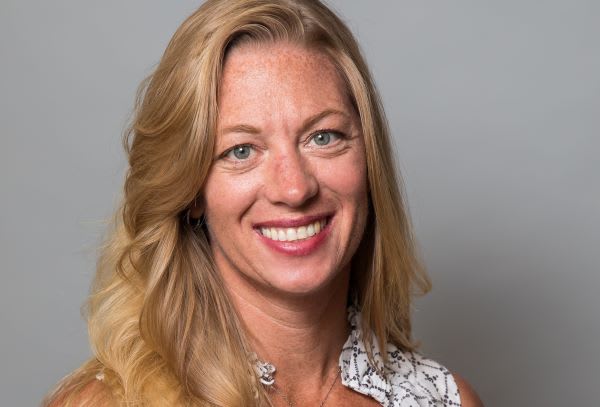
Lori Olson, fleet sales director at Pulse, says that equipping newcomers to take over one day is critical for any organization, and mentoring provides a safe place for leadership development.
Lori Olson
3. Seek someone supportive, but who will push you.
What makes a good mentor? Main says that is someone who will:
- Listen and offer a supportive shoulder.
- Ask good questions so you figure things out on your own.
- Encourage you to try something new or take a calculated risk.
- Help you figure out the lesson to be learned from a failure.
Main adds that her own mentor pushes her to take chances.
“She encourages me, [and] gives me the kick in the pants I need because she genuinely cares,” Main says.
Olson agrees.
“When you have a problem or challenge, you can talk it through with your mentor and maybe learn from their experiences,” she adds. “You don’t have to feel like you are alone; your mentor can offer thoughts [about] the challenges you are experiencing.”

Renee Boydo, First Student's senior manager of safety training and development, notes that seeking out the experience of your peers is also an invaluable way to gain mentorship.
First Student
4. Look outside your field, too.
You should like and respect your potential mentor, but they don’t need to be your boss or even work in the same industry.
The advantage of having your direct supervisor be your mentor is their deep understanding of the organization, the needs of the fleet, and a strong sense of community with the team that can help you determine solutions together, Olson says.
Overall, look for someone who has the level of authority, responsibility, and decision-making ability you are seeking to achieve, Main recommends.
Your best mentor is probably not who you expect, she adds. For example, they could be someone of the opposite sex or younger or older than you.
In fact, seeking out and utilizing the experience of your peers is also an invaluable way to gain mentorship, Boydo says.
“Everyone — from drivers to dispatchers to technicians — can provide a unique view and insight to help you succeed,” she adds.
A mentor will likely come from outside the mentee’s company, unless it appointed one to an employee, Stockton says. A true third-party mentor is different than a supervisor who may have had the mentee’s job before them and will try to "train" the mentee to do things the way they did them.
“A mentor will give examples of what worked, what didn't, and add new ideas toward success but allow the mentee to develop their own level of success without dictating how someone becomes successful,” he explains.
Ultimately, a mentor can be anyone who is a role model or coaches someone through work situations and/or personal growth, Olson says.
5. Networkas much as possible.
This is one of the best ways to find mentors, Stockton says. He also suggests reaching out to leaders at competitors that have measured success.
Olson and Stockton recommend tapping LinkedIn and other social media.
Contacting someone in the industry you admire for their work ethic, successes, or knowledge or letting your supervisor know you would benefit from a mentoring relationship and asking for recommendations are other effective ways to find a mentor, Olson says.
Additionally, she advises getting involved with organizations such as AFLA and the WIFM mentorship program, which is open to all AFLA members. The WIFM task force matches and connects mentors and mentees and offers suggestions on getting started. The group also sends quarterly emails offering conversation starters and book suggestions, according to Olson.
This year, WIFM will also help mentor-mentee pairs map and measure their goals.
Attending industry events is also helpful, Stockton says.
“My goal in attending any industry event was to come home having met at least one solid yet successful person I could network with,” he adds.
6. Do some recommended reading.
Check out industry trade publications and note the people being quoted.
“If the media is seeking comment from industry experts, they are hopefully looking at ‘profitable’ fleets as a source to find those experts,” Stockton says.
In the end, the search for a mentor boils down to being an advocate for yourself, Olson says.
“Speak up. I’ve found that most folks in our industry are more than willing to impart their knowledge to help others,” she adds.
Quick Answers
Identifying specific goals or areas where you need guidance helps you find a mentor who has the relevant expertise and allows for a more focused and productive mentoring relationship.
*Summarized by AI
More Management

How to Build a Better Driver Training Program
Ready to boost up your school bus instructor training? Here’s how to pick the right talent and improve recruitment, retention, and safety.
Read More →
CALSTART and Forth Combine to Form Catalyst Mobility
The new name represents a renewed vision for the nonprofit focused on advancing clean, equitable, and affordable transportation solutions that move people and goods.
Read More →
What Makes a Great School Bus Driver Trainer?
Choosing the right school bus driver trainer takes more than experience. Learn six keys to selecting and developing trainers and evaluating program effectiveness.
Read More →

School Bus Contractors Expand Through New Deals, Acquisitions & Partnerships
STA's Canadian division acquires Ontario-based G&L Stevenson Transport while Durham School Services adds a new district contract in California, First Student adds a New Jersey contract, and Minnesota Coaches acquires Halo Transportation.
Read More →
Logan Bus Company Rolls Out AI Phone System for NYC School Bus Families
A summer pilot found that AI agents could handle most routine calls, freeing up time for customer service staff to focus on emergencies and complex family concerns.
Read More →
From Intent to Impact: What I Learned About Leadership from TAPT
A Texas transportation supervisor shares lessons on self-awareness, accountability, managing stress and building trust — and why investing in leadership development matters at every stage of your career.
Read More →
NAPT Names 2026 Award Recipients, Hall of Fame Inductee
Who earned national recognition for their work in student transportation? This year, NAPT named five recipients of its 2026 awards for service, safety, and leadership, plus its newest Hall of Famer.
Read More →
2026 State of Student Transportation Report
Driver shortages. Rising costs. Growing safety expectations. More data, but not enough time to act on it. The 2026 State of Student Transportation Report reveals what transportation leaders say is putting the most pressure on their operations—and where they’re investing next. See how your priorities compare.
Read More →
How to De-Escalate an Angry Person: 5 Steps for Handling Workplace Conflict
What makes emotions run high, and how should you handle an angry colleague or parent? Follow these steps for staying calm, listening, showing empathy, and resolving conflict.
Read More →
What Readiness Looks Like This School Year
Learn about the challenges shaping the 2026–2027 school year, from persistent driver shortages and budget pressure to technology and readiness gaps. See how school districts are responding and adapting in Zonar’s 2026 Back-to-School Readiness Report.
Read More →