




5 Questions: Keith Terry on Supporting Employees, Illegal Passing Concerns
Terry, the director of transportation at Orangeburg County (S.C.) School District, discusses providing material and emotional support during the pandemic, and frustration with motorists passing stopped school buses even with the presence of stop-arm cameras.


In response to the driver shortage worsened by COVID-19, Keith Terry says that for his district, being patient and listening has built trust and helped retain employees.
Photo courtesy Keith Terry
Although he was no stranger to the bus yellow bus, having ridden one throughout his childhood in South Carolina, Keith Terry, like so many others in pupil transportation, started out on a different career path. For him, that was healthcare. After taking a job as a school bus driver, though, he quickly moved up the ranks and is now the director of transportation at Orangeburg County (S.C.) School District.
In this interview with School Bus Fleet, Terry discusses how his district has worked to provide not only the material protection necessary to support its employees during the pandemic, but emotional nurturing as well. He also recently voiced a frustration — very well-understood within the industry — on motorists passing stopped school buses even with the presence of stop-arm cameras. On the bright side, he did note that local and state agencies are making extensive educational efforts to combat the issue.
1. How did you get your start in pupil transportation? Had you worked in another industry before?
Before working in pupil transportation, I was employed with a subsidiary of BlueCross BlueShield. After my contract ended, I transitioned into pupil transportation, getting my start as a bus driver. I was later promoted to operations manager and transportation manager positions and was eventually offered director of transportation positions — first at Berkeley County School District and then at Orangeburg, where I am now.
2. What do you like most about working in pupil transportation?
This opportunity allows me to give back to the community, especially our public schools. Public schooling and transportation were a part of my everyday life growing up in Columbia, South Carolina. The ability to impact adults in a positive manner increases safe practices, relationship building, and customer satisfaction for our students, parents, schools, and the general public.
3. Has the pandemic made any driver or technician shortage your department had been experiencing worse, and if so, how have you dealt with that?
Living and working through the COVID-19 pandemic has impacted operations and has introduced a different concept of school transportation and the educational processes for students. In the beginning, many school districts, including ours, encountered employees resigning and retiring.
We are, however, working to ensure safety supplies are always available for staff. Additionally, we constantly remind staff, students, and the community of the importance of following COVID-19 safety practices and protocols.
Driver Sharing, Data-Driven Routing Help Operators Roll With Shortages
Being patient and listening to employees with concerns and recommendations is also a great help. We must always exhibit a sense of care and nurturing for staff, which builds a great level of trust. This practice has also been a strong contributing factor in retaining employees.
4. What do you wish people outside the world of student transportation knew about it?
I wish more people understood that school bus drivers’ ultimate goal is to ensure safe and efficient transportation for students to and from school daily. Constant failure to adhere to local and state laws not only affects families when tragic situations occur, but severely impacts our future as we go about our working and personal lives.
5. Federal lawmakers re-introduced the School Bus Safety Act, which would require a review of illegal passing prevention laws, practices, and technologies nationwide. Just over a year ago, as the transportation director at Berkeley County (S.C.) School District, you told local news source WCIV that motorists were still passing school buses despite the presence of stop-arm cameras. Does Orangeburg have stop-arm cameras on its buses, and have you seen other measures work when it comes to reducing illegal passing?
It saddens me to see the daily, habitual abuse by motorists who show complete disregard for the safety of our students. Currently at Orangeburg, we do not have buses equipped with stop-arm cameras. Funding can be a challenge. It is, however, our intent to increase the use of technology software and hardware to enhance safe practices.
South Carolina Approves $24.5M VW Funds for School, Transit Buses
I must commend our local and state law enforcement agencies, media outlets, and the South Carolina Department of Education for their ongoing communication with the general public on the importance of motorists stopping for school buses. I’m grateful for their commitment and significant support, and I’m [sure] my colleagues in neighboring districts feel the same.
More Safety
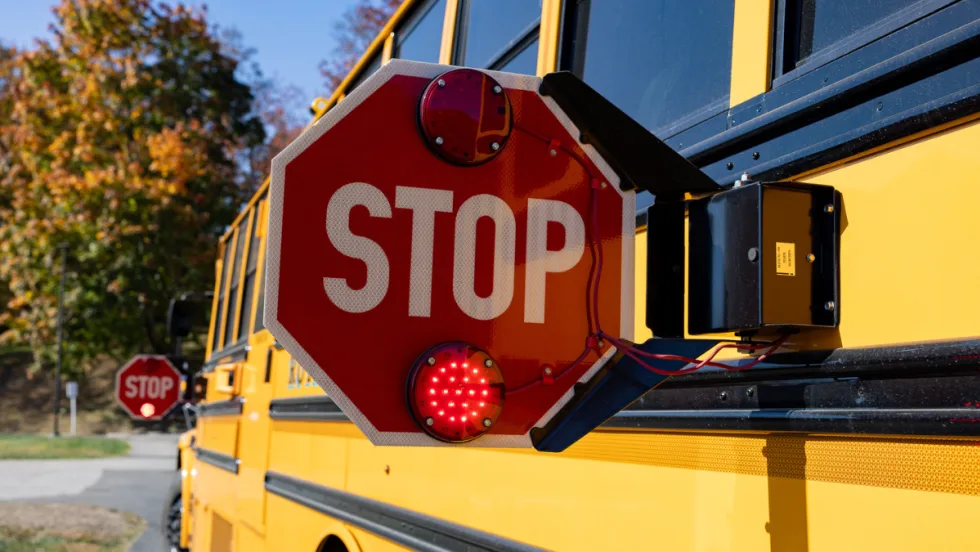
Illegal School Bus Passing Drops 24% in New York Districts
With fewer than 5% of citations involving repeat offenders, Westchester County officials said enforcement, education, and community partnerships are helping change driver behavior.
Read More →
School's Back. Here's What Happened to Traffic, Speeding & Distraction
What happens to traffic when school resumes? New data analysis examines changes in distracted driving, congestion, and speeding around schools.
Read More →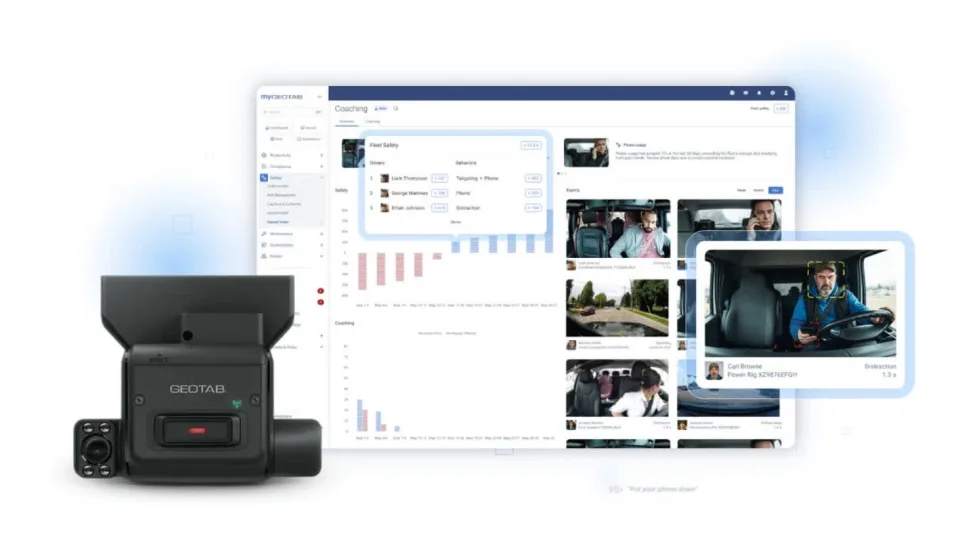
Geotab Expands Fleet Safety Tools With Video Coaching, Risk Insights
New safety and video capabilities aim to help fleet managers assess risk, support drivers, and take targeted action through video coaching, red-light violation detection, and more.
Read More →

How to Build a Better School Bus Driver Training Program
Is it time to strengthen your driver training? Here’s how to pick the right talent and improve recruitment, retention, and safety. This video is brought to you by IC Bus.
Read More →
Recent School Bus Accidents Leave 2 Dead, 2 Injured
Four school bus crashes in Florida, Illinois, and Georgia highlight risks in transportation lots, at bus stops, and during student loading and unloading.
Read More →
When Every Second Matters, Clarity Keeps Routes Moving
From routine delays to urgent incidents, strong communication practices help drivers, dispatchers, schools, and families respond with confidence.
Read More →
What Happens When a School Bus Catches Fire — and What Can Help
School bus fires are rare but can be devastating. Learn how advances in fire suppression and asset protection help fleets detect fires earlier, reduce damage, and improve safety.
Read More →
Geotab Launches Tool to Help Fleets Investigate Road Incidents
Geotab Investigations combines telematics data, video, documents, and other evidence to help fleets reconstruct incidents, resolve claims, and determine what happened.
Read More →
Texas Sixth Grader Wins 2026 National School Bus Safety Poster Contest
Sai Darshana Yekolu of Moseley Middle School in Prosper, Texas, was named the newest winner for her artwork, bringing the theme of “Safe Rides, Everyday Heroes” to life.
Read More →
Doing More With Less: How Transportation Directors Can Prioritize Safety Amid Budget Uncertainty
With diesel prices soaring and nearly one-third of transportation directors expecting budget cuts, maintaining student safety has never been more challenging. Download this guide to learn how leading districts are prioritizing risk, funding critical safety technology, and building stronger budget cases with data.
Read More →