




Why Student Privacy Matters in Special-Needs School Transportation
Learn more about what federal law really allows when sharing special-needs information with bus drivers and aides while protecting student privacy.

Protecting student privacy and providing safe transportation are not mutually exclusive responsibilities because they reinforce each other when handled correctly.
HopSkipDrive/School Bus Fleet
- The discussion highlights the balance required by federal law in sharing special-needs information with transportation personnel while safeguarding student privacy.
- It examines the legal provisions that dictate what information can be communicated to bus drivers and aides to ensure appropriate care.
- The importance of maintaining confidentiality and adhering to privacy regulations in special-needs school transportation is emphasized.
*Summarized by AI
Although transporting students with disabilities requires the same vehicles and schedules as other students, it also requires careful stewardship of some of the most sensitive information a school system holds.
Individualized Education Programs (IEPs), disability classifications, medical alerts, and behavioral accommodations all influence how transportation services are delivered, but they also come with legal and ethical responsibilities that transportation departments must understand and uphold.
For many pupil transportation leaders, student privacy can feel like a legal minefield. Confusion around federal laws, especially FERPA and HIPAA, has led some districts to err on the side of withholding information, even when that information is critical to safety. Others worry that a single misstep could result in disciplinary action or legal exposure.
But student privacy laws are not designed to prevent transportation staff from doing their jobs. When understood correctly, they allow schools to share necessary information while protecting students’ dignity and rights.
FERPA, Not HIPAA: Understanding What the Law Actually Says
One of the most common misconceptions in school transportation is that sharing student disability or health-related information with drivers and aides violates HIPAA. In K–12 education, that belief is almost always incorrect.
Student records are governed by the Family Educational Rights and Privacy Act (FERPA), which applies to education records maintained by schools and districts, including IEPs and transportation-related documentation. HIPAA generally does not apply to public schools acting in their educational capacity because student health records are considered education records.
Attorney Richard C. Kelly, owner and founding member of RC Kelly Law Associates, said this misunderstanding causes real operational problems. “Beyond compliance, confidentiality in special-needs transportation protects the dignity of vulnerable individuals,” he said. “But in my experience, the overzealous keeping of critical student information can actually cause harm by failing to give transportation professionals information about special risks, triggers, or calming routines related to the transportation of special-needs students.”
Kelly emphasized that privacy laws are often misused to justify withholding information. “Redacting IEPs or providing a ‘transportation summary’ makes sense, but information that [pertains] to the safety or comfort of special-needs students should never be withheld from transportation professionals,” he said.
While FERPA doesn’t require districts to hand over full IEPs to drivers and aides, FERPA does allow a school to give bus drivers and bus aides the parts of a student’s IEP, or any relevant information from student records, that is needed to safely transport the student or implement required accommodations.
What FERPA requires is thoughtful, intentional sharing of relevant information with the service providers who need it to perform their jobs and to assure the comfort and safety of students.
Student Privacy Is Also an Ethical Obligation
While FERPA sets the legal framework, confidentiality in special-needs transportation is just as much about ethics as it is about compliance. Students with disabilities are entitled to dignity, respect, and discretion, especially in public spaces such as school buses.
Sue Shutrump, current industry consultant and recently retired supervisor of occupational and physical therapy services for the Trumbull County Education Service Center in Ohio, stresses that privacy is not about secrecy.
“Transportation doesn't need to know the child's technical diagnosis, but it is vital that they know the challenges associated with a specific condition, which may present a safety risk to the student on the bus,” she said.
Shutrump added that oversharing can be just as harmful as undersharing. “Is all the information in the [IEP] document necessary? No. But there certainly is a lot of that information that needs to be given to transportation in a way that focuses on what it means for the child on the bus and how to have a safe bus ride,” Shutrump said.
This practice extends to alternative transportation, too. For instance, EverDriven safeguards personally identifiable information (PII) in accordance with service agreements and complies with legal and governmental standards governing PII.
HopSkipDrive takes a similarly proactive approach. The company has achieved SOC 2 Type II certification, a rigorous third-party audit of the company's data security and privacy controls over an extended period. HopSkipDrive also manages its own onboarding and compliance requirements, maintaining direct relationships with CareDrivers, who must pass a security review, while overseeing the handling of sensitive student information.
Beyond formal certifications, HopSkipDrive has built privacy features directly into its platform. To reduce unnecessary exposure of student data, the system limits functions such as copy-and-paste and reveals only the information a driver needs. Details become visible immediately before a trip and are automatically hidden afterward, ensuring access is strictly limited to a need-to-know basis.
For students, careless handling of personal information can feel stigmatizing. Ethical practice means ensuring that information supports safety without revealing private details.
What Drivers and Aides Actually Need to Know
A recurring theme among transportation professionals is that drivers and aides do not need entire IEPs. They need transportation-specific information, presented clearly and practically.
Jess Jensrud, a special education trainer and driver with Hicks Bus Line in Minnesota, said clarity makes all the difference. That might include mobility or securement requirements, seizure response steps, behavioral triggers related to transportation, or communication needs. “Even some positive cues that can help with reversing any negative situations,” Jensrud said.
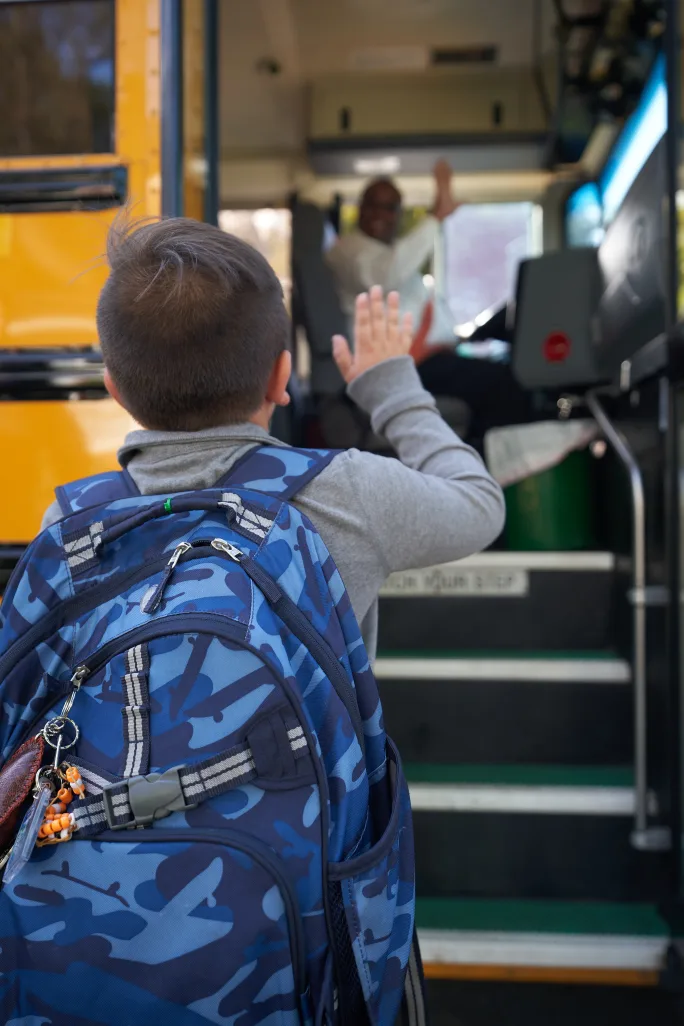
Even with good systems in place, confidentiality ultimately depends on frontline behavior.
Photo: NHTSA
What drivers generally do not need are full medical histories, academic data, or information that has no bearing on transportation safety.
Many districts address this by creating transportation summaries or Individual Transportation Plans (commonly referred to as ITPs) derived from the IEP. These documents strip out unnecessary information while preserving what matters most on the bus.
However, even when districts understand what information should be shared, breakdowns often occur between a district’s special education and transportation departments. Transportation staff may receive incomplete updates, outdated information, or last-minute changes communicated informally.
Katrina Morris, transportation consultant at West Shore ESD in Michigan, said early involvement is critical. “Special education transportation is a ‘team’ event,” Morris said. “We all have to be on the same page to do what is best for our students.”
Most importantly: what works today may not work tomorrow, and that’s OK.
Morris also noted that clear processes protect both safety and privacy. “FERPA training details what can be said and what cannot be said about a student to someone outside of their educational team.”
In her rural district (where radios and phones may not always work), drivers keep a book on the bus with all the students’ information, which is returned to the school and locked away when not in use.
Another tactic is the E.R.I.C. program developed by the Pennsylvania School Bus Association, which ensures that critical special-needs student information is stored in a bright yellow box on the school bus's bulkhead. “[This] assures that first responders have access to information about special-needs students in the event the driver or aide is incapacitated,” Kelly said.
Plus, many districts rely on a special-needs transportation coordinator to serve as a liaison between departments. This role helps ensure that information is translated appropriately and shared consistently.
What Drivers and Aides Can and Cannot Do
Even with good systems in place, confidentiality ultimately depends on frontline behavior. Drivers and aides must understand how easily information can be exposed in the school bus environment.
Teena Mitchell, special-needs transportation coordinator for Greenville County Schools in South Carolina, said confidentiality training mitigates unintentional breaches. “Best practice is that conversations regarding students should not take place on the school bus,” she said.
Practical training is an important tool, as it can teach drivers to use codes or abbreviated language when requesting assistance and to instill habits such as waiting until they are physically in the transportation office or through appropriate school channels to raise concerns or report changes.
Plus, Shutrump explained that any additional assistance, like a bus aide, must be written into the student’s IEP. When a bus doesn’t have an aide, the driver must focus on their main duty of operating the bus and should not be expected to provide student support while driving.
Clear guidance will help staff feel supported rather than restricted. Drivers should know who to contact with questions and how to report concerns without fear of punishment, which also requires attention to physical and digital systems.
Paper records should contain only essential information and be secured at all times. Outdated documents should be removed promptly to avoid confusion. Shutrump noted that some paper-based practices are a sore spot. Imagine: a district collects extensive information about a student and creates a very detailed transportation plan, but it’s attached to the IEP at the school, so drivers don’t have immediate access.
On the other hand, digital platforms offer efficiencies but introduce new risks. Role-based access, secure tablets, and automatic logouts help ensure that staff see only what they need for their assigned routes.
“The district must also ensure that the information is still available to the bus staff if the electronic file becomes inaccessible on the bus,” Mitchell said.
However, human behavior remains the most important safeguard, fortified by annual confidentiality training and strong onboarding practices.
When Student Confidentiality is Breached
Even with strong safeguards, breaches can still occur. A document may be misplaced, or a conversation may have been overheard, but Kelly said preparation matters more than perfection.
“FERPA addresses systemic violations, not individual breaches,” he said. “Enforcement is limited to administrative remedies provided by the U.S. Department of Education, which can issue injunctions to stop systemic and repeated violations.”
Most confidentiality breaches are resolved legally through corrective action, not punishment, when a district acts quickly and responsibly. Prepared transportation departments should have clear procedures for reporting incidents, but a crucial component is having policies, training, and a remedial plan in place in the event of a breach.
“If it was due to a violation of the students' privacy and of our policies, it could lead to termination of the staff member. All transportation staff are aware of this through FERPA training each year,” Morris said.
“If transportation experiences a breach of confidentiality, notification should be made immediately to district administration and the district’s legal team so they can provide guidance on mitigating the breach, safeguarding the information, and managing communications related to the breach,” Mitchell said.
Privacy and Safety Are Not Competing Goals
Long-term success depends on written policies, consistent training, and a shared understanding that privacy supports student safety. Education on confidentiality can empower staff. “The lack of training on confidentiality is the largest weak point that I have run into,” Jensrud said.
Protecting student privacy and providing safe transportation are not mutually exclusive responsibilities because they reinforce each other when handled correctly.
As student needs become better accommodated and transportation environments become more demanding, school transportation departments play an increasingly important role in special education. We can start by reframing special education confidentiality as an integral part of the professional environment.
“Just as we all in today’s society work very hard and are very concerned about protecting our private information, we want to afford that same respect, and we have a duty to provide that same protection to the students we work for,” Shutrump said.
Editor's Note: This article was originally published on January 16, 2026, and was updated on January 22, 2026, to include additional information on student privacy in alternative transportation.
Quick Answers
The Family Educational Rights and Privacy Act (FERPA) governs the sharing of educational records, including special-needs information, ensuring that only those with legitimate educational interests have access to such data.
*Summarized by AI
More Special Needs Transportation
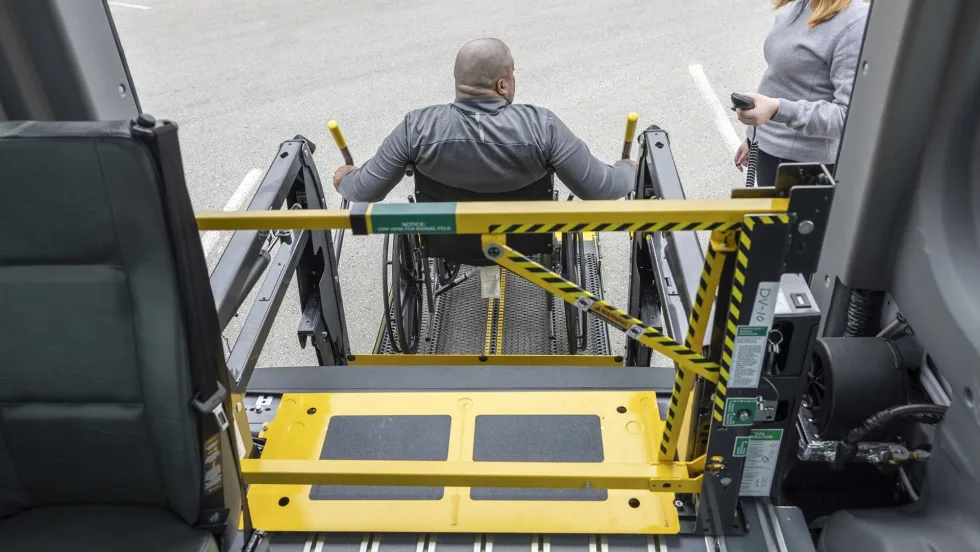
BraunAbility Introduces New Safety Barrier for Wheelchair Lifts
LiftSentinel is designed to add another layer of protection during wheelchair loading and unloading and can be retrofitted to many existing commercial lift installations.
Read More →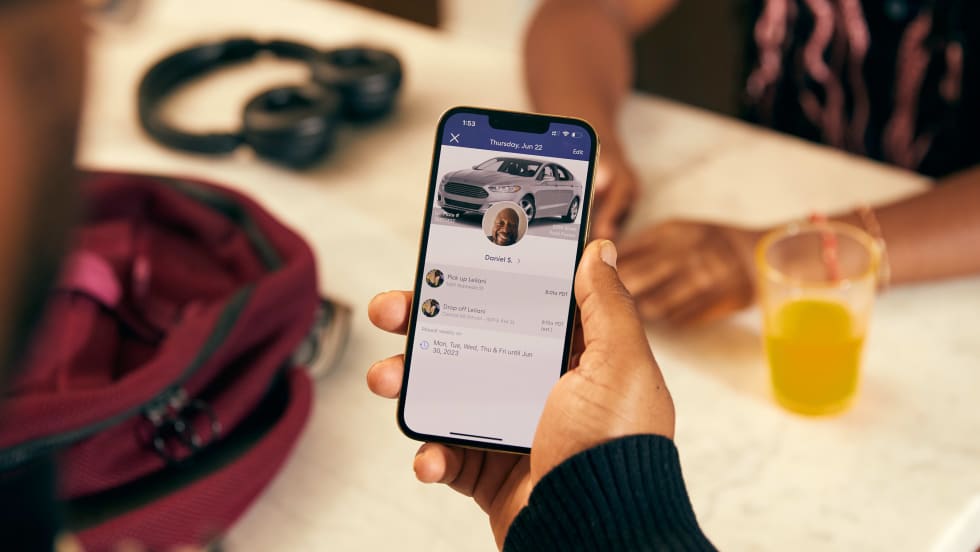
HopSkipDrive Launches New Safety, Driver Consistency Features for 2026-27 School Year
The company’s free ride recording, live ride tracking, and consistent driver assignments aim to improve safety and continuity for diverse student transportation needs.
Read More →
The Most Common Wheelchair Securement Mistakes on School Buses (and How to Fix Them)
Small missteps in wheelchair securement can have serious consequences. Here are 32 tips from experts to reduce risk and increase student safety on the bus.
Read More →
Inside AMF Bruns’ New Showroom: School Bus Securement Solutions Explained
Go inside AMF Bruns America’s new Ohio showroom with Maritza Valentin to see its FutureSafe technology, driver training tools, securement systems, and seating innovations.
Read More →
What AMF Bruns’ New Facility Means for Customers [Video]
Inside AMF Bruns’ new Stow, Ohio, operations: See how expanded space and innovation will enhance customer support and operations.
Read More →
AMF Bruns Expands in Ohio, Investing in Growth and Community
With expanded production space, local investment, and a growing workforce, AMF Bruns is scaling its U.S. presence. Here’s an exclusive first look inside the new Stow, Ohio, HQ.
Read More →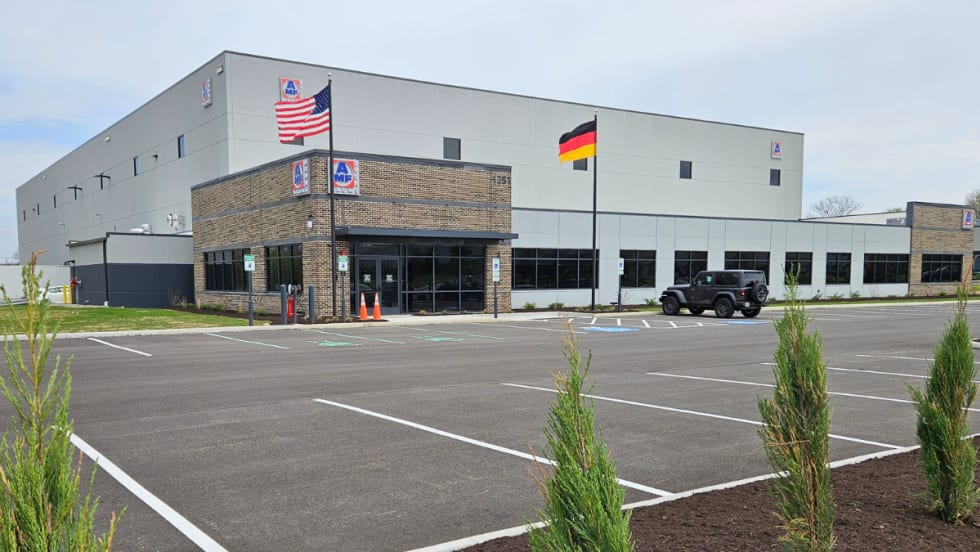
Inside AMF Bruns of America’s New Ohio Manufacturing Facility [Photos]
Take a behind-the-scenes look at AMF Bruns of America’s new 41,000-square-foot Stow, Ohio, headquarters, featuring advanced manufacturing, expanded space, and future-ready mobility solutions.
Read More →
First Student Boosts Student Support in Wichita & Texas
First Student and Wichita Public Schools are using behavioral support strategies to improve student ride experiences, while a separate initiative expands access to after-school programs through a bus donation.
Read More →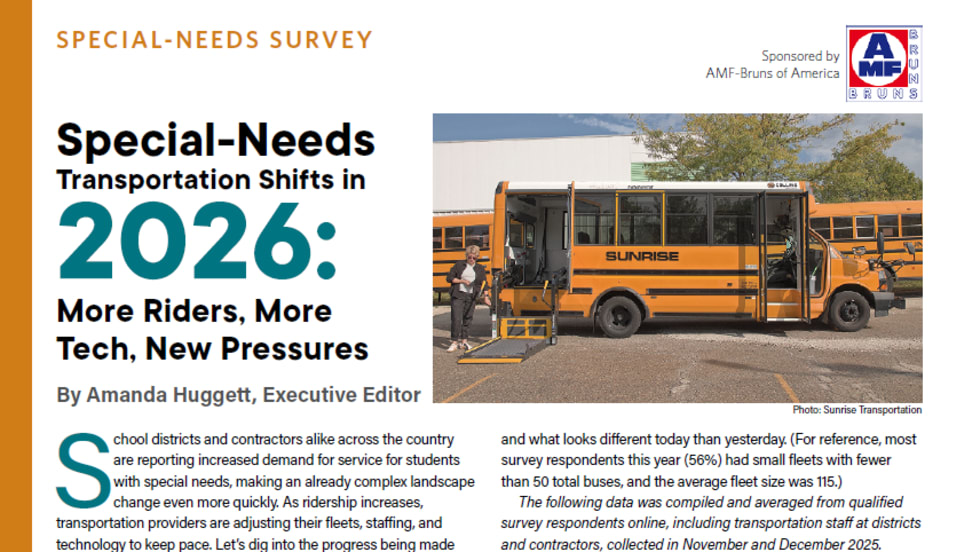
2026 Special-Needs Transportation Survey
What’s changing in special-needs transportation? This year, student transportation operators report a rising need, easing driver shortages, growing tech adoption, and evolving challenges. Sponsored by AMF Bruns of America.
Read More →
The Lived-Experience Gap in Mobility Tech: An Expert Take on Safe Student Transportation
Brianna Pauwee, a product application specialist at AMF Bruns of America and a wheelchair user, drops in to The Route to share practical securement and training insights, plus the story behind the new “Beyond Mobility” podcast. The Route is sponsored by IC Bus.
Read More →