




Fleets in Flux: Adapting to Changing Student Transportation Needs
Why the Time Is Now to Modernize Student Transportation
Student needs are changing fast. Learn the six principles shaping the future of school transit.
by Mitch Bowling, EverDriven
September 30, 2025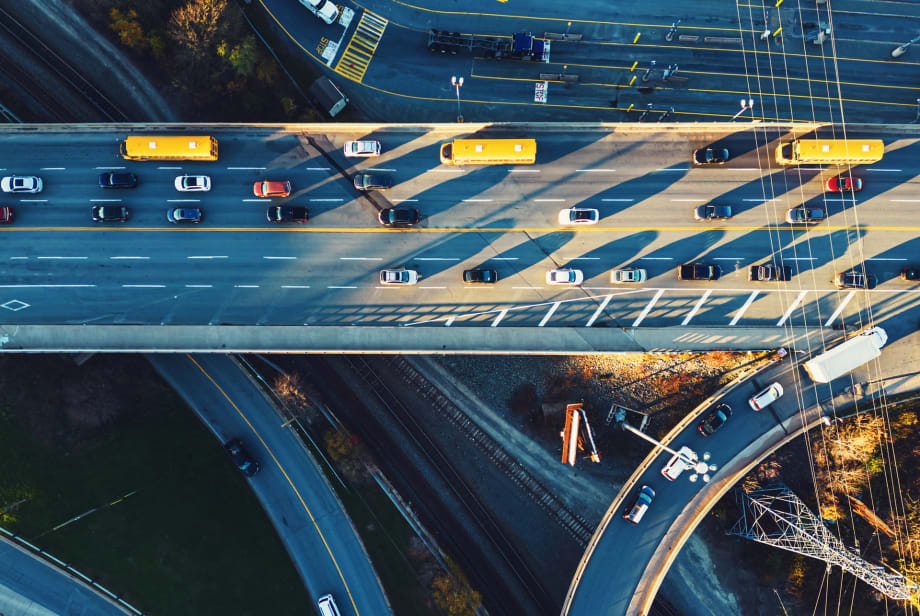
Most school districts (98%) intend to modernize their transportation over the next five years, and 68% expect to use technology to do so.
Photo: shaunl/Getty Images
5 min to read
Every morning, approximately 50 million students rely on school transportation to reach their classrooms. The journey should be simple, yet too often it becomes a barrier. District leaders know these stories well: a student experiencing housing instability who misses the first week of school because no route was available; a parent whose child with disabilities spends two hours in transit, arriving too tired to learn; or a district working tirelessly to meet new safety standards with systems built decades ago.
These are not isolated events; they reflect the daily realities we all navigate. From my perspective, they highlight a shared truth: safe, reliable, and flexible student transportation has never been more essential. As student needs evolve rapidly, modernization is no longer just an option; it is the natural next step to ensuring equitable access to education.
Demographic and enrollment changes are intensifying these pressures, reshaping the transportation landscape, and calling for systems built for today’s families.
Shifting Demographics Demand New Solutions
Student transportation has long been a cornerstone of public education, yet today’s systems were designed for a different era. Demographic shifts are occurring at a remarkable pace. EverDriven has seen a 167 % increase in McKinney-Vento riders (students experiencing housing instability) since 2020, while 62% of districts report growth in their special education population in just the past year.
Nationally, family homelessness has risen nearly 39% in one year, and the number of students served under the Individuals with Disabilities Education Act (IDEA) is at an all-time high.
These changes place a lot of pressure on the one-size-fits-all model of fixed bus routes and static schedules. They demand transportation systems that are flexible enough to meet individual needs and robust enough to ensure safety and equity at scale.
Meeting those needs begins with the principle that underpins every mile and every ride: safety must remain the cornerstone of modern student transportation.
Changing Regulatory Requirements
Safety is not a feature to be added on — it is the foundation of every transportation decision. From vehicle standards and driver training to real-time communication and incident response, protecting students must always come first. States are codifying this priority: in California, SB 88 introduced new safety protocols, stricter driver training, and operational standards, with similar measures emerging nationwide.
For districts, this shift means compliance can no longer be a box to check. Modern systems need built-in compliance — automated reporting, digital driver verification, and fleet maintenance records — so leaders can adapt to evolving requirements while maintaining uninterrupted service. According to EverDriven’s Future of Modern Student Transportation and Safety Report, 23% of district leaders already cite regulatory standards as a primary challenge they expect modern solutions to address.
But safety and compliance are only part of the modernization equation. Changing student populations and volatile budgets require transportation systems that can bend without breaking.
Funding Volatility Drives a Need for Flexibility
Federal programs that support vulnerable students, such as the Education for Homeless Children and Youth (EHCY) program, IDEA, and Title I, face potential restructuring or budget reductions in the upcoming fiscal cycle. If dedicated funding is reduced or consolidated, many students could lose critical transportation support.
In this environment, flexibility is essential. Districts need systems that can scale up or down in real time as enrollment shifts, funding fluctuates, or community needs change — without compromising service quality or student safety.
How is this level of flexibility achievable for districts? Technology and new operating models.
The Rapid Rise and Reach of Technology
Modern student transportation is no longer limited to yellow buses on fixed routes. Increasingly, districts are integrating traditional fleets with small-capacity vehicles, vetted third-party providers, and digital platforms that enable real-time routing and communication.
This hybrid approach reflects a deeper understanding: no single mode of transportation can meet every student’s needs. Whether it’s a student living in transitional housing, a child with mobility challenges, or a family juggling multiple school schedules, the system must be able to respond with precision and care.
Technology provides the backbone. GPS tracking, dynamic routing, and automated compliance tools give districts visibility and agility, allowing them to adapt instantly to weather disruptions, new bell schedules, or sudden enrollment spikes.
The momentum is clear. Ninety-eight percent of districts plan to adopt modernized transportation solutions by 2030, and 68% expect technology to play a major role in those efforts. This shift isn’t just about efficiency; it’s about creating systems that are resilient, transparent, and responsive to the communities they serve.
From these real-world innovations, a set of guiding principles is emerging to define the next era of modern student transportation.
Six Principles Defining the Future of Modern Student Transportation
- Safety as the Cornerstone – Every decision, from vehicle standards to driver training and real-time communication, must begin with protecting students.
- Student-Centered – Design transportation around the needs and experiences of students, ensuring dignity and equitable access to learning opportunities.
- Design for Equity – Ensure every student—regardless of location, ability, or circumstance—has equal access to reliable transportation.
- Build for Flexibility – Adapt quickly to changing enrollment, schedules, or funding realities without sacrificing safety or quality.
- Lead with Transparency – Provide visibility into operations to build trust with families and support informed decision-making.
- Embrace Technology as Infrastructure – Integrate technology at the core of transportation systems to power routing, compliance, and communication.
Districts that bring these principles to life are doing far more than improving logistics—they are shaping resilient, future-ready infrastructure that supports education itself. The urgency is clear: modernization can’t wait.
Choosing the Path Forward
The challenges in student transportation are real and accelerating, and district leaders feel them every day. Delaying modernization makes it harder to stay ahead of compliance, equity, and efficiency — and, most importantly, to meet the needs of the students and families who rely on these systems.
The encouraging news is that proven solutions are already taking hold. Across the country, district leaders are demonstrating that when rides are safe, consistent, and personalized, students show up ready to learn and better prepared to succeed.
The path forward is within reach. The choice each district faces is how and when to embrace it.
Subscribe to Our Newsletter
More Management

How to Build a Better Driver Training Program
Ready to boost up your school bus instructor training? Here’s how to pick the right talent and improve recruitment, retention, and safety.
Read More →
CALSTART and Forth Combine to Form Catalyst Mobility
The new name represents a renewed vision for the nonprofit focused on advancing clean, equitable, and affordable transportation solutions that move people and goods.
Read More →
What Makes a Great School Bus Driver Trainer?
Choosing the right school bus driver trainer takes more than experience. Learn six keys to selecting and developing trainers and evaluating program effectiveness.
Read More →


School Bus Contractors Expand Through New Deals, Acquisitions & Partnerships
STA's Canadian division acquires Ontario-based G&L Stevenson Transport while Durham School Services adds a new district contract in California, First Student adds a New Jersey contract, and Minnesota Coaches acquires Halo Transportation.
Read More →
Logan Bus Company Rolls Out AI Phone System for NYC School Bus Families
A summer pilot found that AI agents could handle most routine calls, freeing up time for customer service staff to focus on emergencies and complex family concerns.
Read More →
From Intent to Impact: What I Learned About Leadership from TAPT
A Texas transportation supervisor shares lessons on self-awareness, accountability, managing stress and building trust — and why investing in leadership development matters at every stage of your career.
Read More →
NAPT Names 2026 Award Recipients, Hall of Fame Inductee
Who earned national recognition for their work in student transportation? This year, NAPT named five recipients of its 2026 awards for service, safety, and leadership, plus its newest Hall of Famer.
Read More →
Sponsored•September 2, 2026
2026 State of Student Transportation Report
Driver shortages. Rising costs. Growing safety expectations. More data, but not enough time to act on it. The 2026 State of Student Transportation Report reveals what transportation leaders say is putting the most pressure on their operations—and where they’re investing next. See how your priorities compare.
Read More →
How to De-Escalate an Angry Person: 5 Steps for Handling Workplace Conflict
What makes emotions run high, and how should you handle an angry colleague or parent? Follow these steps for staying calm, listening, showing empathy, and resolving conflict.
Read More →
Sponsored•September 1, 2026
What Readiness Looks Like This School Year
Learn about the challenges shaping the 2026–2027 school year, from persistent driver shortages and budget pressure to technology and readiness gaps. See how school districts are responding and adapting in Zonar’s 2026 Back-to-School Readiness Report.
Read More →