





Related: NHTSA Proposes Amendments to 5-Point Restraints on School Buses Rule
Buckle Up, Texas: Seat Belts Now Required On All School Buses
The Lone Star state now requires three-point seat belts on all new school buses, a law focused on student safety and consistent use through training and education.
August 28, 2025
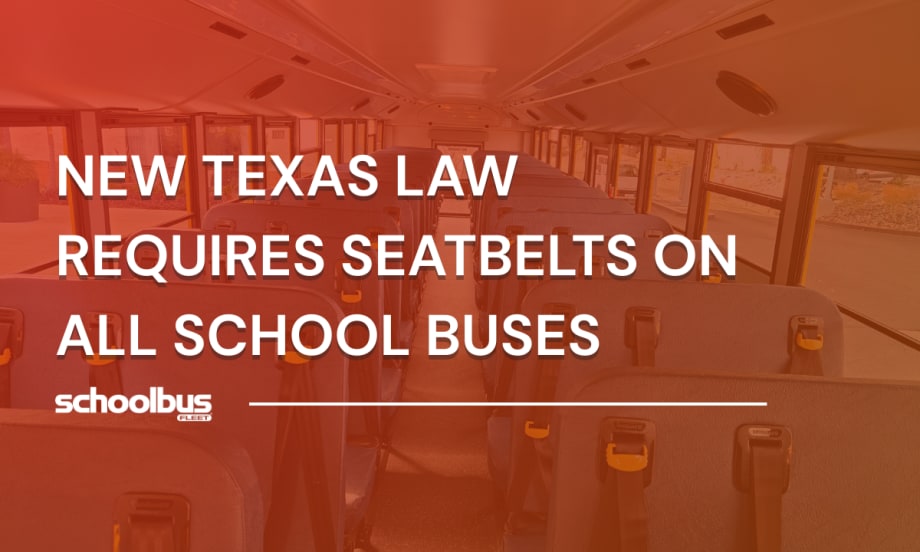
Texas now requires all newly purchased school buses to be equipped with three-point seat belts, aiming to improve student safety and consistency across districts.
Photo: School Bus Fleet
2 min to read
A new law now in effect mandates that all school buses in Texas, regardless of production year, be equipped with three-point lap and shoulder seatbelts. The enforcement of this policy begins with the upcoming school year.
Background
This legislation expands upon the 2017 requirement, which applied only to buses manufactured in 2018 or later and allowed exemptions based on district budgets. Sponsored by Sen. José Menéndez, Senate Bill 546 (S.B. 546) is a direct response to a fatal 2024 crash involving a Hays CISD school bus and a cement truck that tragically claimed two lives, including a pre-K student. An NTSB investigation highlighted the need for greater protection for school bus passengers.
Key Provisions
Applies to all buses: Regardless of model year, must have three-point seatbelts.
Budget exemptions: Districts may apply for exemptions if costs are prohibitive; however, they must report to the Texas Education Agency (TEA) before the 2025–26 school year ends.
TEA reporting requirements: By Jan. 1, 2027, TEA must collect district data, calculate statewide seatbelt retrofit costs, and report findings to legislative leaders. The requirement expires Jan. 1, 2028.
Compliance deadline: Districts must meet requirements by Sept. 1, 2029.
Implementation Across Districts
Multiple Central Texas districts are at varying stages of implementation:
Hays CISD: Upgraded its fleet through bond measures passed in 2023 and 2025.
Austin ISD: Has equipped all buses with lap/shoulder belts since 2012.
Round Rock ISD: Uses seat-belted buses but is still upgrading older or spare buses.
San Marcos ISD: Describes it as an “unfunded mandate,” and plans to retrofit during future replacement cycles.
“Implementing the new seat belt requirement is less about cost and more about consistency,” said Teri Mapengo, director of transportation at Prosper Independent School District. “The challenge is building habits — through driver reminders, student education, and clear signage — so buckling up becomes second nature. The goal is simple: support better student management and overall safety.”
Compliance Timeline
Districts must submit feasibility reports by the end of the 2025–26 school year. Full compliance is required by Sept. 1, 2029. Districts may use grants, donations, or other funding sources to help with implementation.
What This Means for School Bus Fleets
Review fleet inventory now to assess which vehicles require retrofitting.
Prepare for public transparency requirements under TEA reporting.
Consider financial strategies including capital planning, grants, and bond measures.
For more detailed analysis of S.B. 546 and its implementation timeline, see the legislative bill analysis and local news coverage.
More Safety

How to Build a Better School Bus Driver Training Program
Is it time to strengthen your driver training? Here’s how to pick the right talent and improve recruitment, retention, and safety. This video is brought to you by IC Bus.
Read More →
Recent School Bus Accidents Leave 2 Dead, 2 Injured
Four school bus crashes in Florida, Illinois, and Georgia highlight risks in transportation lots, at bus stops, and during student loading and unloading.
Read More →
Sponsored•September 8, 2026
When Every Second Matters, Clarity Keeps Routes Moving
From routine delays to urgent incidents, strong communication practices help drivers, dispatchers, schools, and families respond with confidence.
Read More →

What Happens When a School Bus Catches Fire — and What Can Help
School bus fires are rare but can be devastating. Learn how advances in fire suppression and asset protection help fleets detect fires earlier, reduce damage, and improve safety.
Read More →
Geotab Launches Tool to Help Fleets Investigate Road Incidents
Geotab Investigations combines telematics data, video, documents, and other evidence to help fleets reconstruct incidents, resolve claims, and determine what happened.
Read More →
Texas Sixth Grader Wins 2026 National School Bus Safety Poster Contest
Sai Darshana Yekolu of Moseley Middle School in Prosper, Texas, was named the newest winner for her artwork, bringing the theme of “Safe Rides, Everyday Heroes” to life.
Read More →
Sponsored•August 27, 2026
Doing More With Less: How Transportation Directors Can Prioritize Safety Amid Budget Uncertainty
With diesel prices soaring and nearly one-third of transportation directors expecting budget cuts, maintaining student safety has never been more challenging. Download this guide to learn how leading districts are prioritizing risk, funding critical safety technology, and building stronger budget cases with data.
Read More →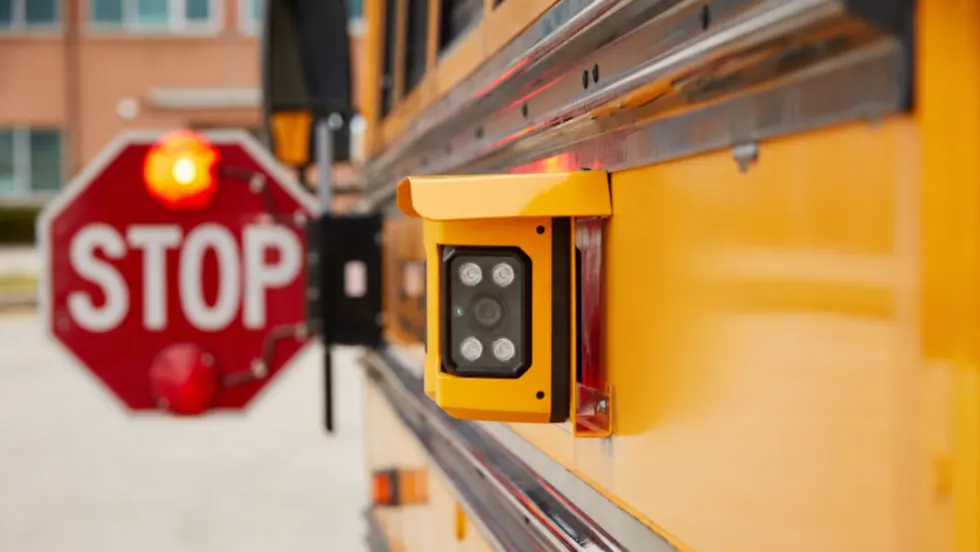
Walton County Schools Adds Gatekeeper Stop-Arm Enforcement System
The Florida district will deploy Gatekeeper’s updated Student Protector technology, which now incorporates AI to improve video evidence.
Read More →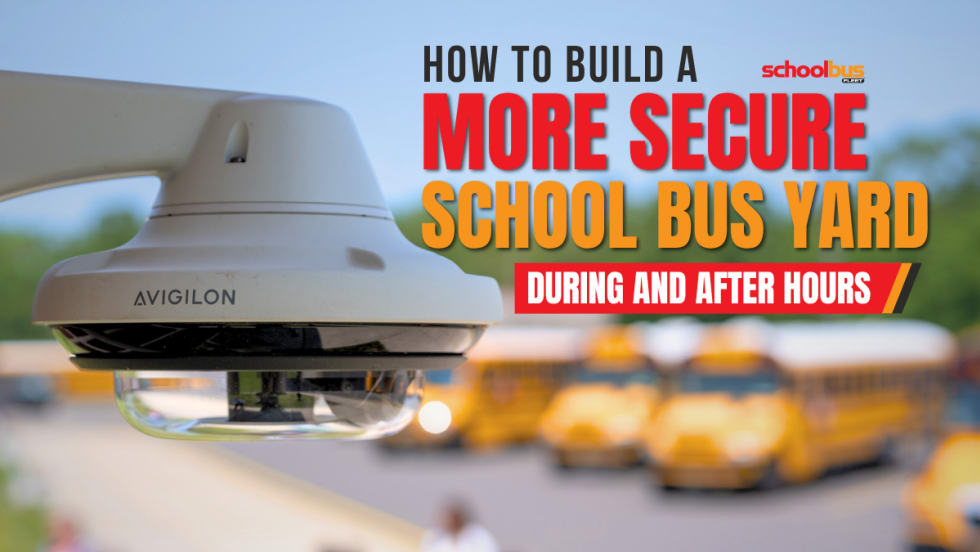
How To Build a More Secure School Bus Yard During and After Hours
As thefts and overnight security threats continue, school transportation leaders are combining stronger operational practices with AI-enabled surveillance to better protect buses, facilities, and staff.
Read More →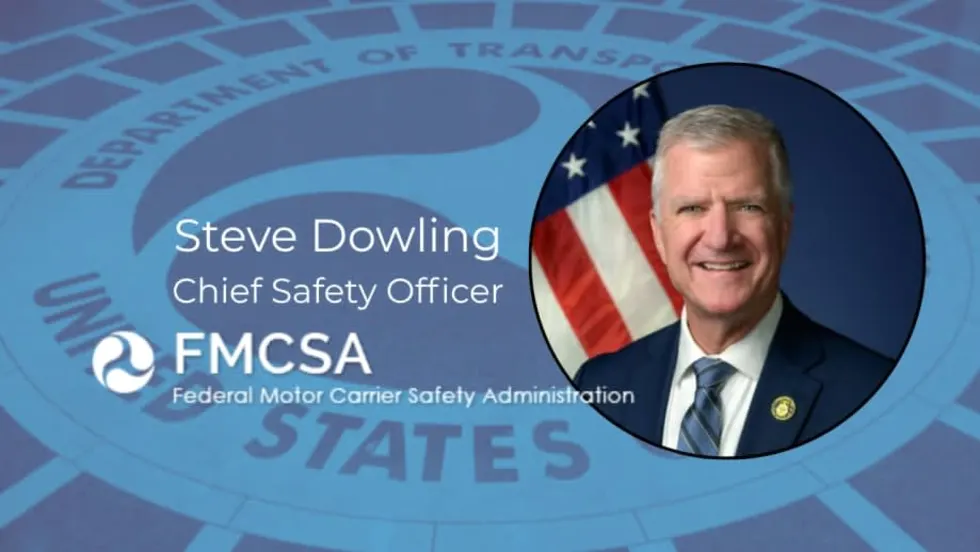
FMCSA Names New Chief Safety Officer: What School Bus Operators Should Know
Steve Dowling is set to lead the federal agency's efforts to advance commercial motor vehicle safety and reduce crashes, fatalities, and injuries on the nation's roadways.
Read More →