





Related News: Electric School Buses Put to the Test: V2G Charging Pilot Launches in IL
California District Unveils V2G Charging System
Fremont Unified School District welcomes new electric school bus charging infrastructure with help from The Mobility House. The V2G installation is one of the first depots in PG&E territory.
August 14, 2025
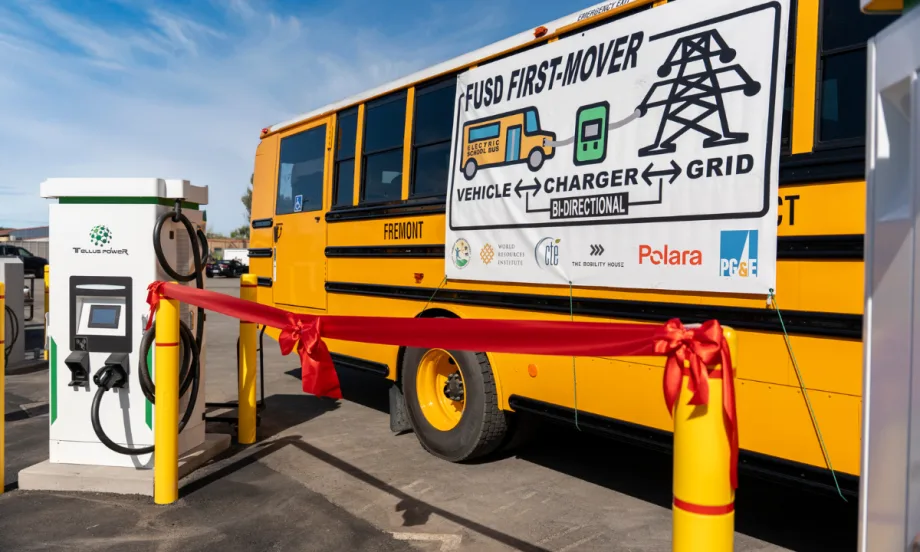
Fremont USD’s new vehicle-to-grid system enables its electric school buses to support the power grid, offset charging costs, and maintain route readiness through smart charging management.
Photo: The Mobility House, by Rich McKie
2 min to read
California's Fremont Unified School District (FUSD) marked the launch of its new vehicle-to-grid (V2G) charging system with an August 7 ceremony at the district’s transportation yard. The event was co-presented by The Mobility House and included partners Pacific Gas and Electric Company (PG&E), World Resources Institute, Center for Transportation and the Environment, and Polara.
With the installation of 22 electric vehicle chargers —14 previously installed low-power chargers, six high-power bidirectional V2G direct current (DC) fast chargers, and two additional high-power unidirectional chargers planned for 2026 — FUSD is now equipped to power and manage a growing fleet of 14 electric school buses, including four Thomas Built and 10 Blue Bird buses.
The infrastructure will support the displacement of six internal combustion engine buses, with four new electric buses entering service this year and two more in 2026.
Project Overview
The commissioning represents the first phase of a two-phase project that will install six bidirectional chargers enabled for V2G participation in PG&E's Emergency Load Reduction Program (ELRP). The Mobility House’s ChargePilot charge management system will manage fleet charging and connect with PG&E’s market aggregation platform.
“Electric school buses, with their large batteries and predictable schedules, can play an important role in supporting the electric grid,” said Gregor Hintler, CEO North America of The Mobility House. “We’re proud to provide the technology to help the district support community energy resilience.”
To enable this transformation, PG&E upgraded the site's electrical infrastructure, including:
A new 480 volt 3-phase service entrance (upgraded from 208V).
A 750 kVA transformer.
Facilitated installation of a 2,500 Amp switchgear to meet current and future charging needs.
How It Works
ChargePilot manages daily charging, monitored by the fleet operator via an online dashboard.
PG&E notifies the system of upcoming load reduction events, and ChargePilot optimizes charging schedules based on event timing and electricity rates.
During events, the system discharges stored energy from buses to reduce site load while ensuring buses remain ready for routes.
Participation in ELRP can offset charging costs.
The Mobility House is working with utilities in California and other states to expand V2G capabilities for fleets.
District Perspective
“We’ve already seen how our electric buses contribute to cleaner air,” said Ernest Epley, FUSD’s director of transportation. “Now, we can also use them to deliver clean and reliable energy.”
The project is funded by the California Energy Commission’s Clean Transportation Program.
This marks the second school district participating in PG&E's commercial fleet Vehicle-to-Everything (V2X) pilot, following the successful deployment with Zum and Oakland Unified School District in 2024.
More Alternative Fuels
Alt-Fuel Moves: Electric Bus Rollouts, Bidirectional Charging & Propane Growth
See which fleets are adding electric and propane school buses as districts and operators invest in charging infrastructure, bidirectional technology, and alternative-fuel expansion.
Read More →
Nobody Told Diesel Prices They Were Supposed to Come Down
With diesel prices surging, school bus fleets have new reason to stress-test fuel costs, consider diversification, and calculate what each route really costs to operate.
Read More →
Why Gasoline School Buses Are Making a Comeback
Gasoline is gaining ground in full-size school buses. See how today’s options stack up against diesel on cost, maintenance, emissions, performance, and more.
Read More →
EPA Opens $180M DERA Funding Round for Diesel Upgrades
The 2026 Diesel Emissions Reduction Act program seeks applications from eligible organizations to accelerate the retirement of legacy diesel vehicles.
Read More →
The Secret Life of an Electric School Bus Battery
Batteries change throughout years of daily routes, but degradation doesn’t necessarily mean the end. Here’s what operators should know about performance, safety, and second life.
Read More →
CALSTART and Forth Combine to Form Catalyst Mobility
The new name represents a renewed vision for the nonprofit focused on advancing clean, equitable, and affordable transportation solutions that move people and goods.
Read More →
Alt-Fuel Moves: New Buses, Charging Hubs & Real-World EV Testing
Propane and electric school bus deployments continue to grow as districts add new vehicles, expand charging infrastructure, and gather more real-world operating data.
Read More →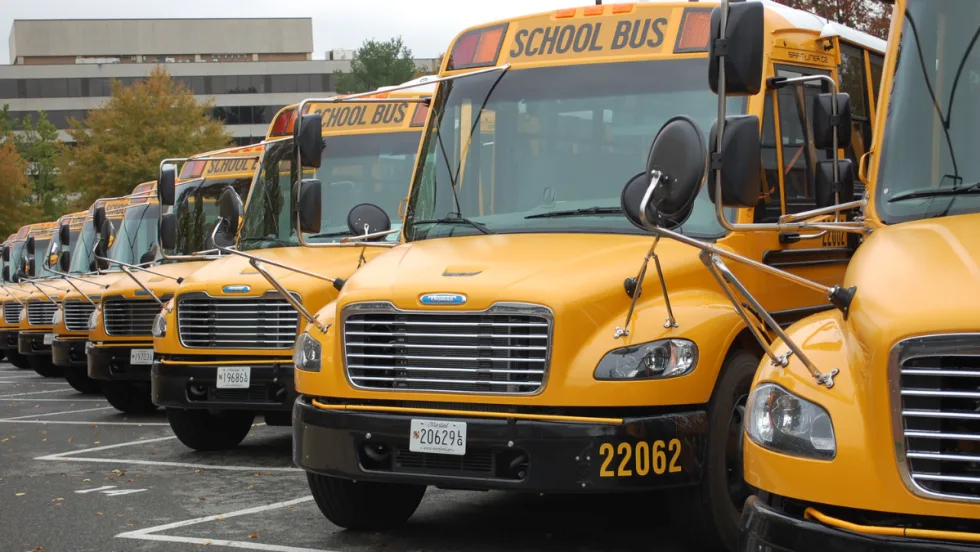
Fewer Electric School Bus Models Reshape the U.S. Market
WRI’s latest buyer’s guide points to a consolidating electric school bus market, but fewer options may reflect a maturing industry rather than fewer meaningful choices for school bus operators.
Read More →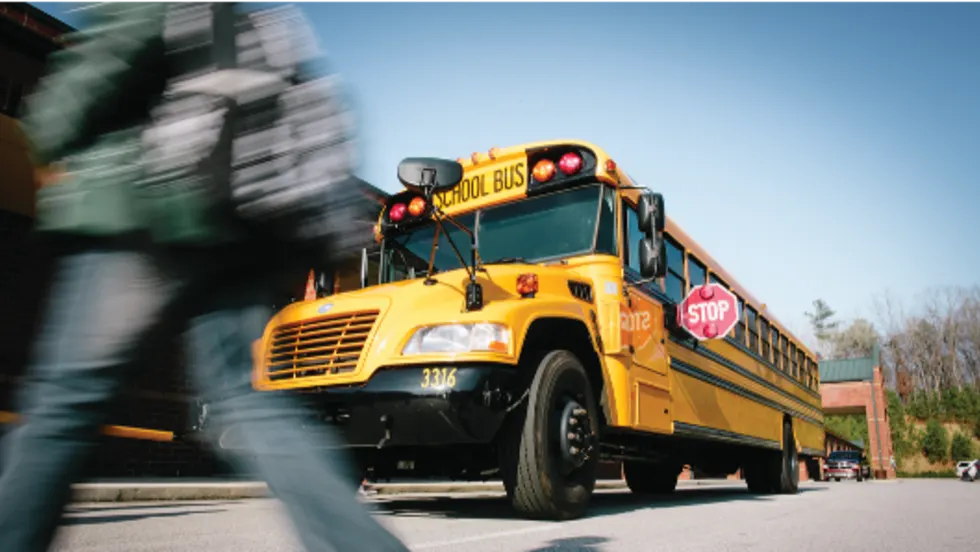
The Fuel Budget You Can Actually Predict: How Propane Autogas Keeps Money in the Classroom
Learn how propane autogas helps school districts manage fuel costs with predictable pricing, lower maintenance, and reduced emissions from former transportation director Joel Stutheit.
Read More →
Hendrickson, Driventic Introduce New Electric Powertrain for School Buses
ELECTRAAX, the electrified, lightweight drive axle offers integrated ePowertrain efficiency and modular flexibility for Class 6–7 school bus use.
Read More →