





More News: Electric School Buses Put to the Test: V2G Charging Pilot Launches in IL
Largest Statewide Vehicle-to-Everything Charging Program Coming to Massachusetts
To encourage the adoption of V2X technology, the Massachusetts Clean Energy Center is working with The Mobility House and Resource Innovations, deploying 100 bidirectional chargers across the state, including school districts with electric school buses.
February 28, 2025
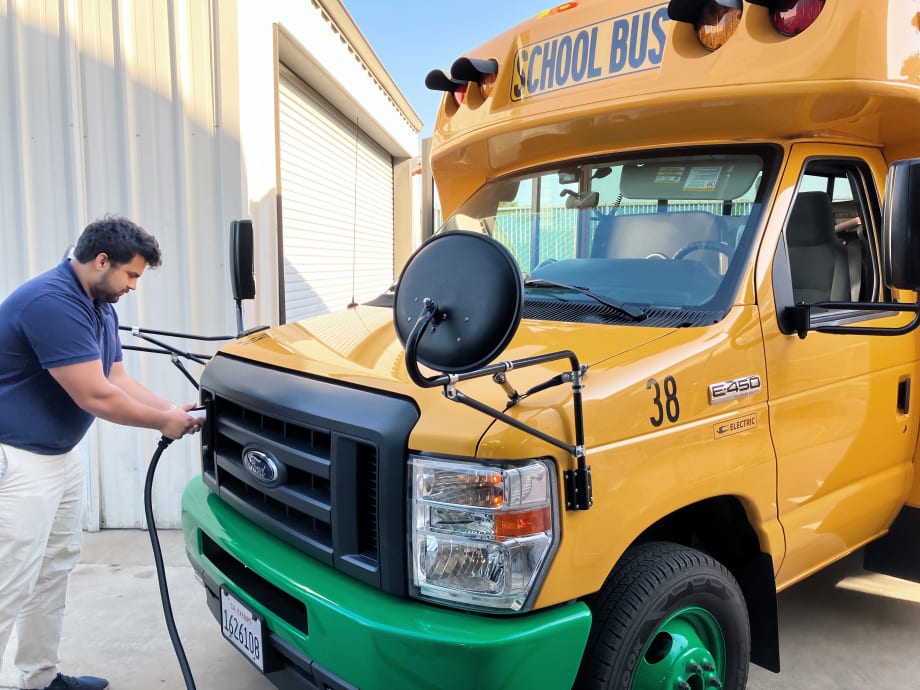
The Mobility House will contribute advanced vehicle-grid integration software and experience in V2G deployment to the project, helping schools and others utilize the hidden potential of their electric vehicles.
Photo: The Mobility House
2 min to read
Resource Innovations (RI) and The Mobility House (TMH) are joining forces to lead the Massachusetts Clean Energy Center’s statewide vehicle-to-everything (V2X) demonstration program. The two-year initiative will deploy bidirectional charging infrastructure to enhance grid resilience, reduce energy costs, and increase renewable energy integration across the state.
Providing Free V2X-Capable Chargers
The program will deploy 100 bidirectional chargers, including to school bus fleet participants. These chargers will activate EVs as mobile energy storage assets, totaling an estimated 1.5 MW of new storage capacity across Massachusetts.
Massachusetts EV owners and fleet operators enrolled in the program will benefit from the deployment of bidirectional chargers capable of vehicle-to-grid (V2G) and backup power operations.
“Vehicle-to-everything technology is key to leveraging electric vehicles as assets to the grid, both as a financial resource and improving reliability,” said Rachel Ackerman, senior director of clean transportation at the Massachusetts Clean Energy Center. “Through a targeted deployment of bidirectional chargers across a variety of sectors, barriers can be quickly identified and resolved, demonstrating a clear pathway for an accelerated application of V2X technology. Massachusetts Clean Energy Center’s V2X program is a crucial step in Massachusetts’s efforts to enable wide-scale adoption of electric vehicles."
Participants will receive the bidirectional charging stations, including installation, at no cost to the participant.
Supporting Renewable Energy
The V2G technology supports the transition to renewable energy by charging EVs, including school buses, when renewables are available and discharging from the EV batteries when they are not. The vehicle batteries will also be able to be used to provide power during outages.
These charging systems also open the opportunity for participants to be compensated for sending stored energy to the grid.
“This program activates the potential of EVs as energy storage assets,” said Russell Vare, vice president, vehicle grid integration, The Mobility House North America. “Bidirectional charging benefits vehicle owners by providing backup power and revenue opportunities while strengthening the grid for the entire community.”
This program addresses a critical gap in the adoption of V2X technology by providing and installing the infrastructure at no cost to participants.
Applications for the program are open now through June 2025; more information can be found on the Massachusetts Clean Energy Center’s V2X Program webpage.
More Alternative Fuels

CALSTART and Forth Combine to Form Catalyst Mobility
The new name represents a renewed vision for the nonprofit focused on advancing clean, equitable, and affordable transportation solutions that move people and goods.
Read More →
Alt-Fuel Moves: New Buses, Charging Hubs & Real-World EV Testing
Propane and electric school bus deployments continue to grow as districts add new vehicles, expand charging infrastructure, and gather more real-world operating data.
Read More →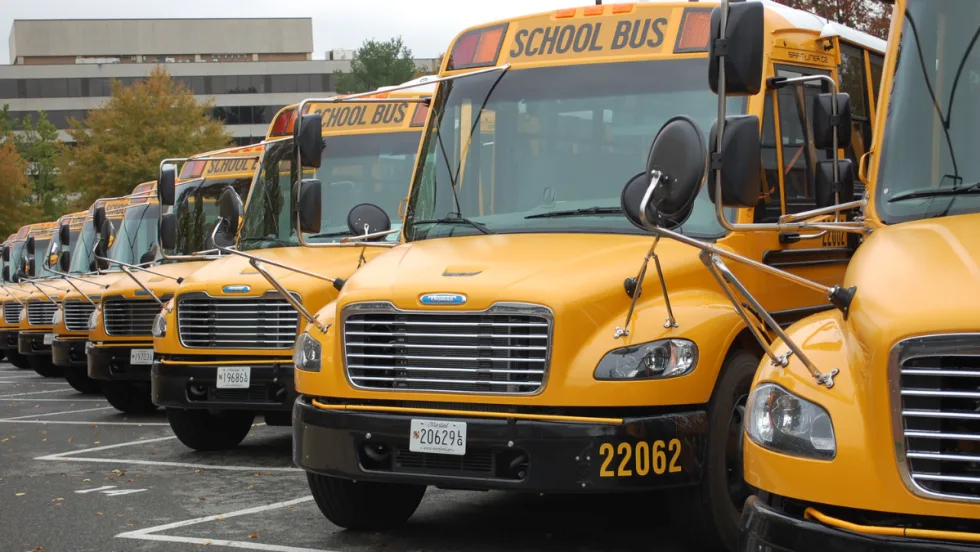
Fewer Electric School Bus Models Reshape the U.S. Market
WRI’s latest buyer’s guide points to a consolidating electric school bus market, but fewer options may reflect a maturing industry rather than fewer meaningful choices for school bus operators.
Read More →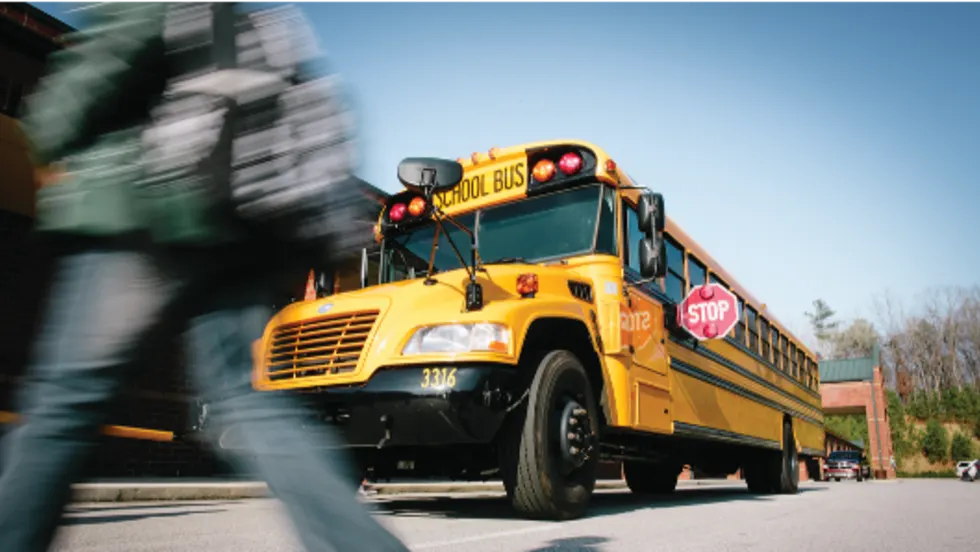
The Fuel Budget You Can Actually Predict: How Propane Autogas Keeps Money in the Classroom
Learn how propane autogas helps school districts manage fuel costs with predictable pricing, lower maintenance, and reduced emissions from former transportation director Joel Stutheit.
Read More →
Hendrickson, Driventic Introduce New Electric Powertrain for School Buses
ELECTRAAX, the electrified, lightweight drive axle offers integrated ePowertrain efficiency and modular flexibility for Class 6–7 school bus use.
Read More →
The Mobility House Joins PowerFlex in Fleet Electrification Deal
The acquisition combines intelligent charging software, bidirectional charging expertise, and fleet electrification services to support the growing adoption of electric school buses across North America.
Read More →
Alt-Fuel Moves: Electric School Bus Investments Hit the Road
See which districts across the U.S. are putting electric school buses into service, expanding charging infrastructure, and planning the next phase of fleet electrification.
Read More →
With Fuel Volatility Ahead, School Districts Turn to Propane
While diesel prices peaked above $5 this spring, districts with propane autogas-powered fleets paid under $2 per gallon, according to PERC.
Read More →
EPA Unveils Proposed Changes to 2027 Heavy-Duty Engine Rules
The federal agency has proposed changes to next year’s targets that would eliminate DEF derates, ease warranty requirements, and retain current NOx emissions standards.
Read More →
Alt-Fuel Moves: EV Charging & Infrastructure Projects Gain Momentum
The latest developments include new funding, charging infrastructure, utility investments, and fleet technologies designed to support the transition to electric school buses nationwide.
Read More →