




Similar Topic: Safe Routes to School: Reducing Traffic and Building Community
Traffic Control & School Bus Stops: 9 Keys to Keeping Students Safe
How can effective traffic control strategies enhance student safety at school bus stops? Check out these best practices, from strategic bus stop placement and clear signage to physical barriers and driver education.
by Kristin Kaplan, Barco Products
March 12, 2025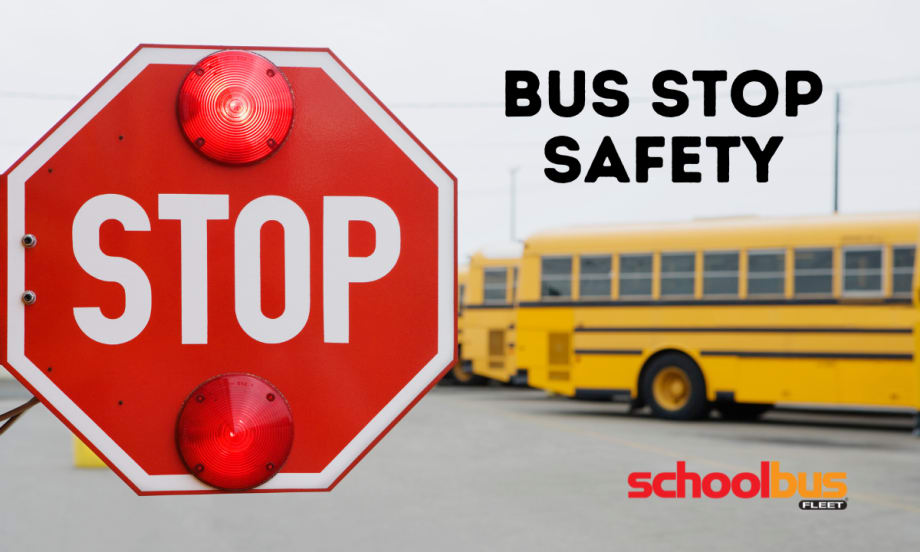
Good bus stop safety practices will encourage fewer accidents, smoother traffic flow, and greater peace of mind.
Photo: SBF/Canva
5 min to read
Ensuring student safety at school bus stops is a top priority for school districts and transportation pros. With heavy traffic, distracted drivers, and energetic children, implementing effective traffic control strategies is essential. By utilizing barriers, signage, and proper traffic flow management, school districts can create safer commuting environments for students.
The Importance of Traffic Control at Bus Stops
Each year, accidents occur due to poor traffic control around school bus stops. When safety measures are inadequate, students are at risk of being injured by passing vehicles or engaging in unsafe behaviors. Effective traffic control helps prevent accidents, reduces congestion, and ensures that students can load and unload from the school bus safely.
Additionally, improved safety at bus stops can reduce parental concerns and encourage more students to use the school bus system rather than relying on individual transportation. This can, in turn, lead to reduced traffic congestion around schools and lower carbon emissions. Investing in effective traffic control strategies benefits students, parents, bus drivers, and the broader community.
Key Traffic Control Strategies
1. Strategically Place Bus Stops
Locate bus stops away from high-speed roads and intersections to minimize the risk of accidents.
Choose locations with good visibility for both bus drivers and approaching vehicles.
Ensure stops are positioned in areas with sidewalks or designated waiting zones to keep students off the roadway.
Avoid placing bus stops near blind curves, sharp bends, or other high-risk areas where oncoming traffic may not have sufficient time to react to a stopped school bus.
In rural areas, evaluate road conditions to ensure students do not have to cross dangerous or unpaved roads to reach their designated stop.
2. Use Proper Signage
Install clearly visible "School Bus Stop Ahead" signs to alert approaching drivers.
Use flashing warning lights in high-traffic areas to increase driver awareness.
Consider digital message boards to provide real-time traffic updates for school zones.
Ensure signage is maintained and not obstructed by trees, parked vehicles, or other visual barriers.
Implement pavement markings near bus stops to designate waiting areas and reinforce safety zones.
3. Implement Physical Barriers
Use retractable gates, cones, or bollards to create safe waiting areas for students.
Designate specific loading and unloading zones with painted lines and signage.
Install fencing near busy roads to prevent students from entering dangerous areas.
Add raised crosswalks to slow approaching vehicles and provide a safer crossing environment.
Install curb extensions at key stops to narrow roadways and reduce crossing distances for students.
4. Manage Traffic Flow in School Zones
Establish separate lanes for buses, parent drop-offs, and general traffic to reduce congestion.
Use designated crossing guards to manage pedestrian movement safely.
Restrict parking near bus stops to maintain clear sightlines for drivers and students.
Implement staggered drop-off and pick-up times to prevent traffic bottlenecks.
Encourage schools to use bus loops that minimize interactions between buses and other vehicles.
5. Educate Drivers and Students
Conduct public awareness campaigns to remind drivers about school bus laws and penalties for violations.
Train students on safe crossing procedures, emphasizing the importance of looking both ways and waiting for signals from the driver.
Use school resources like newsletters and social media to reinforce safety messages.
Work with local law enforcement to host safety workshops for students and parents.
Incorporate safety drills to educate students on proper bus stop behavior and emergency response procedures.
6. Enforce Traffic Laws
Work with local law enforcement to monitor school bus stops and issue citations to drivers who fail to stop for buses.
Install stop-arm cameras on school buses to capture violations and increase compliance.
Encourage community reporting of reckless driving near school zones.
Advocate for stronger penalties for drivers who violate school bus stop laws.
Implement automated enforcement solutions, such as speed cameras in school zones, to deter unsafe driving.
7. Improve Visibility and Lighting
Ensure bus stops are well-lit, especially in early morning or evening hours.
Equip students with reflective gear or backpacks to increase their visibility.
Consider motion-sensor lighting in areas where natural light is limited.
Install streetlights at key bus stops to enhance safety and deter criminal activity.
Encourage students to wear bright-colored clothing, especially during winter months when daylight hours are shorter.
8. Maintain Clean and Safe Bus Stop Environments
Keep waiting areas free from obstacles, debris, and hazards.
Position outside trash cans away from walking paths to reduce clutter and prevent accidents.
Conduct regular inspections to identify and address safety concerns promptly.
Ensure that bus stops are not located near areas prone to flooding or extreme weather conditions.
Work with municipalities to establish a maintenance schedule that keeps bus stops safe and accessible year-round.
9. Leverage Technology for Safer Bus Stops
Implement GPS tracking for buses to provide real-time updates on arrival times.
Use mobile apps that notify parents and students about bus schedules and potential delays.
Equip buses with external cameras to record traffic behavior around stops.
Utilize electronic stop paddles that flash warning signals to alert approaching drivers.
Integrate smart traffic signals that can adjust light timing based on bus activity and pedestrian movement.
Creating a Safer Future for Student Transportation
A well-organized and properly managed school bus stop system is critical for student safety. By implementing strategic traffic control measures, using clear signage, and educating both drivers and students, schools can significantly reduce the risks associated with school transportation. Investing in safety today ensures that students can travel to and from school with confidence and security.
Moreover, the use of technology, law enforcement collaboration, and well-maintained infrastructure can further improve bus stop safety. Pupil transportation professionals must work alongside schools, parents, and communities to create and enforce best practices that protect students at every stage of their daily commute. Whether through improved lighting, better road design, or stricter traffic law enforcement, prioritizing school bus stop safety ultimately leads to fewer accidents, smoother traffic flow, and greater peace of mind for families and educators alike.

Kristin Kaplan
Photo: Barco Products
About the Author: Kristin Kaplan is the VP of marketing strategy for Barco Products, a company providing commercial site furnishings and amenities, such as picnic tables, park benches, speed bumps, and more. She has over 20 years of experience and, along with the Barco team, is committed to the company motto: It’s not yours, till you LOVE it!
Subscribe to Our Newsletter
More Safety

How to Build a Better School Bus Driver Training Program
Is it time to strengthen your driver training? Here’s how to pick the right talent and improve recruitment, retention, and safety. This video is brought to you by IC Bus.
Read More →
Recent School Bus Accidents Leave 2 Dead, 2 Injured
Four school bus crashes in Florida, Illinois, and Georgia highlight risks in transportation lots, at bus stops, and during student loading and unloading.
Read More →
Sponsored•September 8, 2026
When Every Second Matters, Clarity Keeps Routes Moving
From routine delays to urgent incidents, strong communication practices help drivers, dispatchers, schools, and families respond with confidence.
Read More →

What Happens When a School Bus Catches Fire — and What Can Help
School bus fires are rare but can be devastating. Learn how advances in fire suppression and asset protection help fleets detect fires earlier, reduce damage, and improve safety.
Read More →
Geotab Launches Tool to Help Fleets Investigate Road Incidents
Geotab Investigations combines telematics data, video, documents, and other evidence to help fleets reconstruct incidents, resolve claims, and determine what happened.
Read More →
Texas Sixth Grader Wins 2026 National School Bus Safety Poster Contest
Sai Darshana Yekolu of Moseley Middle School in Prosper, Texas, was named the newest winner for her artwork, bringing the theme of “Safe Rides, Everyday Heroes” to life.
Read More →
Sponsored•August 27, 2026
Doing More With Less: How Transportation Directors Can Prioritize Safety Amid Budget Uncertainty
With diesel prices soaring and nearly one-third of transportation directors expecting budget cuts, maintaining student safety has never been more challenging. Download this guide to learn how leading districts are prioritizing risk, funding critical safety technology, and building stronger budget cases with data.
Read More →
Walton County Schools Adds Gatekeeper Stop-Arm Enforcement System
The Florida district will deploy Gatekeeper’s updated Student Protector technology, which now incorporates AI to improve video evidence.
Read More →
How To Build a More Secure School Bus Yard During and After Hours
As thefts and overnight security threats continue, school transportation leaders are combining stronger operational practices with AI-enabled surveillance to better protect buses, facilities, and staff.
Read More →
FMCSA Names New Chief Safety Officer: What School Bus Operators Should Know
Steve Dowling is set to lead the federal agency's efforts to advance commercial motor vehicle safety and reduce crashes, fatalities, and injuries on the nation's roadways.
Read More →