





2018 (but Still Relevant Report): Prepare to Meet Higher Demand for School Bus Techs
Preparing the Future: Programs to Train the Next Generation of School Bus Mechanics
From the classroom to the shop: School districts are tackling the mechanic shortage with work-based learning programs and internships, providing students hands-on training and offering a pathway to a trades career.
February 26, 2025
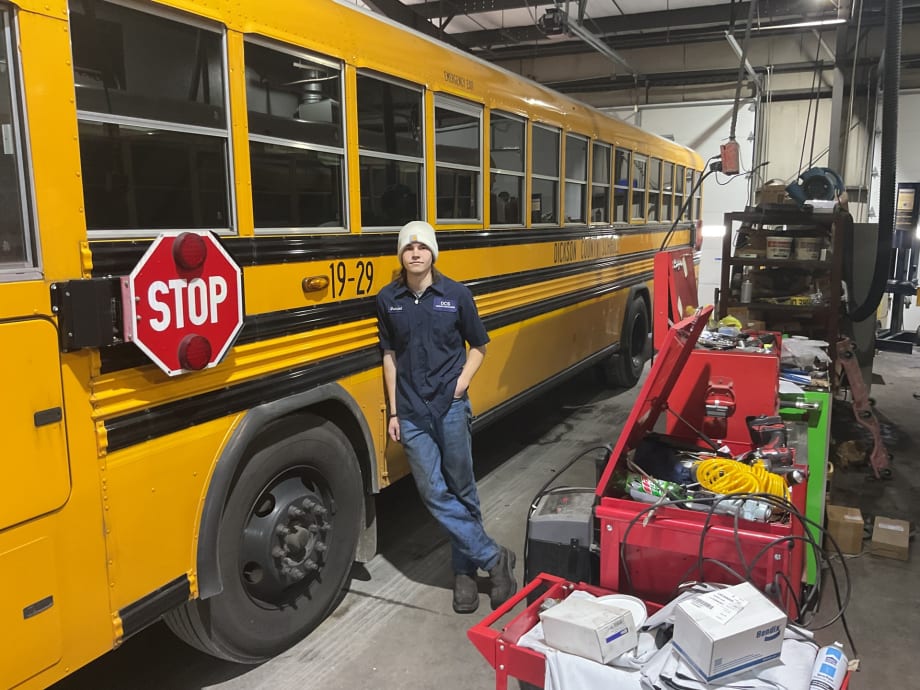
Gabe Sullivan is a student-turned-mechanic at the Bus Garage for Dickson County Schools thanks to the district’s work-based learning program.
Photo: Jessica Russell
7 min to read
- School districts are addressing the mechanic shortage by implementing work-based learning programs for students.
- Hands-on training and internships are being provided to students to prepare them for careers in trades.
- These programs offer a structured pathway for students interested in becoming school bus mechanics.
*Summarized by AI
There is a problem across numerous industries: a distinct shortage of automotive mechanics and technicians, in which school bus shops are no exception.
The Bureau of Labor Statistics projected over 794,000 job openings across the United States in 2023. While this is not specific to school bus operations, it is a prominent concern compounded with our driver shortage.
The non-profit TechForce Foundation projects that nearly 1 million techs are needed by 2028, but we don’t yet expect that many workers to step into all of those roles.
Some districts have workers aging out. Others struggle to maintain competitive pay to attract new ones in. At the 2024 SBFX, Cynthia Mooring, transportation director for Martin County Schools, shared that she is seeing many of her diesel mechanics gaining experience in the school bus shop, then leaving for nearby employers to make more money. It’s hard to blame them, but with tight budgets, there must be something we can do to reverse that trend.
Enter Work-Based Learning Programs
One tactic to attract more mechanics? Hire from within.
School district transportation teams can turn to current students to create interest before they’ve even entered the workforce. Several are already doing this successfully through internships or work-based learning programs.
Example in Action: Beaverton School District
One successful program comes from Oregon.
When Cliff Harrell,transportation maintenance supervisor at Beaverton School District, took his position during the 2023-24 school year, he initiated a mechanic internship program within six months.
To create it, he took the state’s annual school bus inspection manual to create the backbone of the program. Then, they added any other basics an entry-level technician would need.
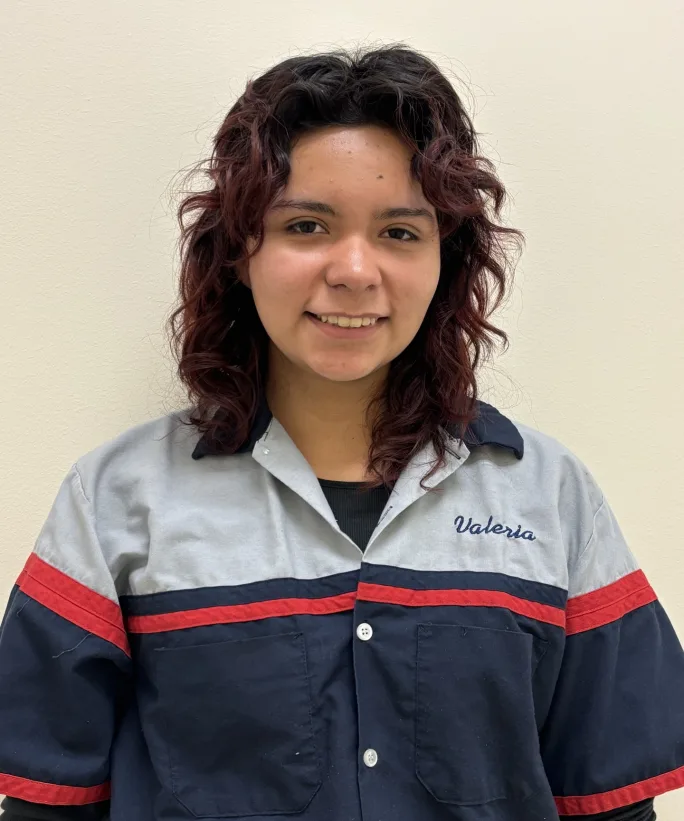
Valeria Lopez Palestino is a current mechanic intern at Beaverton School District.
Photo: Cliff Harrell
During class hours, students come to the shop to work, then continue the rest of their school day. Course credits are intertwined with the Auto Tech CTE program at one of the high schools. All interns set goals for their time in the program, which are reviewed upon completion.
To recruit, Harrell talks to the auto tech classes to gauge interest, often featuring past interns who talk about what they learned in the program. This year, he also offered a tour of the shop to all 60 auto tech students.
Each interested student completes a one-on-one interview about how they will engage in this trade after high school. Then, Harrell and the auto tech instructors narrow the students down.
“The results of this have been noticeable,” he said. “The first year, I interviewed two interested students; the second year, I interviewed 10 students; and this year, I interviewed over 30 interested students.”
So far, three students have completed the full internship, and six are currently in the program.
“What I found interesting this year is we have a split of three male and three female interns, which excites me
more that we could possibly open doors to females in what is thought of as a male-driven career,” he added.
To generate interest even younger, Harrell has also started taking established technicians to two middle schools to talk to their CTE programs about what they do daily and how they’re intertwined with the high school CTE program.
“This, I believe, will start to open younger eyes up to what we do day in and out, then could possibly lead to them joining the Auto Tech program in high school, and then possibly to them interning in the program in my shop,” he said.
Harrell adds that the local community college also appreciates this program to complement its own diesel technology degrees.
Dickson County Schools
Another program recently came across our radar thanks to SBF editorial board member Alex Spann.
At Dickson County Schools in Tennessee, an Automotive – Maintenance and Light Repair curriculum had been in place for years, and is typically where most students came from for its Work Based Learning (WBL) program that guides interns, clinicals, and practicums for juniors and seniors.
The district does not pay its WBL participants, but instead partners with local businesses for an internship. There, they work an average of 6 hours per week while earning high school credit.
The state department sets the programs of study and contains standards and expectations for each course. Dickson County Schools choose which program(s) to offer. Tennessee requires a focus area for graduation, so students are offered three courses to explore their interests.
Jennifer Alt, the district’s WBL specialist, says the program has been well received from all areas. “Several years back there was a lingering fear among industry that a student under 18 could not be on the floor,” she said. “State law changed, and slowly businesses came around. Now we have close to 100 partners in the Dickson area that ask for WBL students.”
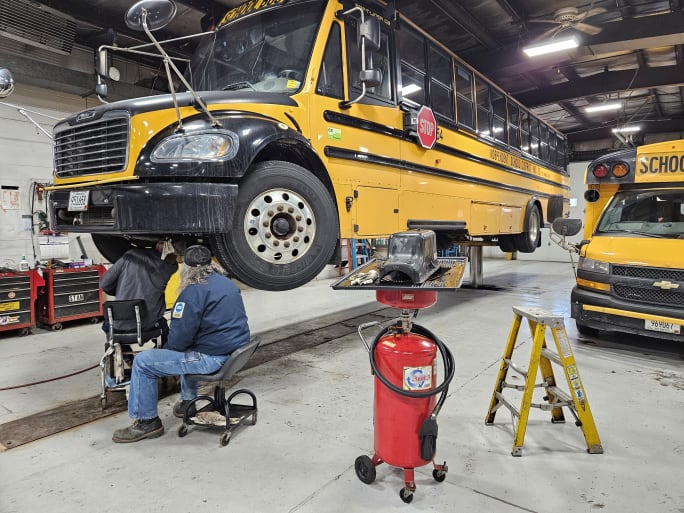
Thanks to the mechanic feeder program, St. Francis Area Schools has a part-time evening mechanic and a recent grad working as a full-time night mechanic helping out in their shop. Here, one of them works under a bus.
Photo: Amanda Huggett
St. Francis Area Schools
St. Francis Area Schools in Minnesota also created a similar initiative. Peggy Tesdahl, transportation supervisor, calls it a feeder program, in which students in the district's high school shop class come in during the final hour of the day to work in the school bus shop. They typically have one student at a time, and now have hired two graduates: one part-time evening mechanic and one full-time mechanic from the program.
“We hope that we get these young kiddos interested in a shop trade, and hopefully they come here and help us out,” Tesdahl said. “It's been a tough road finding mechanics, so we feel that this is a good way to train our kids while they're in school, then hire them.”
Programs in Practice: Gabe’s Story
One recent Dickson graduate, Gabe (pictured at top), was initially focused in therapeutics (health science), planning to go into the military. After a change of heart, he made the switch to automotive in his senior year.
Gabe comes from a long line of mechanics and had automotive experience working with his dad. His WBL internship confirmed that this was the right path to follow, and it opened the door for his current job.
Jessica Russell, Dickson County’s work-based learning assistant, said that Gabe likes the shop environment because it’s not serious all the time, although he takes his job very seriously. Gabe’s work ethic makes sure he follows what he was taught, knowing the importance of ensuring students arrive at school and home safely.
Other than his own dad, Gabe says Melissa, his current boss, is the best he has ever had. And he enjoys working with other students going through the automotive program and are placed at the bus garage for their WBL internship.
Gabe is excited about the potential for growth in his job. “I am a very blessed individual,” he said. “Growing up, I had two parents that guided me the right way, I had great teachers that steered me the right way, and I am glad they steered me here. It’s not a perfect job, but it's enough to live and have a family.”
How to Set Up Your Own Mechanic Training Program
So, you want to start your own program at your district or school bus shop?
Harrell advises first finding out if there is a pipeline CTE program established already, even if it is automotive. If you can tap into that program, some students may lean toward diesel or heavy-duty maintenance.
If you’re starting from scratch, get out and talk to career or guidance counselors to see if you can talk in front of classes or if they have students in mind.
“Once you're able to find the source of the participants, then you want to tailor your curriculum to what you see as being your end game,” Harrell said. “Do you want to expose students to the basics of the jobs, do you want to grow an intern into an open position, or do you want to start training the next generation to go do great things in the trades? Be flexible and always find creative ways to expand the program or tailor it to your needs at the time.”
A post shared by SC Association for Pupil Transportation (@scapt_school_buses)
Other Hands-On Programs to Engage Other Groups
Many of the school bus manufacturers run apprentice or internship programs as well through college partnerships or engage younger students through tours.
- RIDE’s pre-apprenticeship program began in 2021 to create manufacturing opportunities for underrepresented and underserved populations. It guides local community college students with programs to work on the OEM’s battery-electric school buses.
- Thomas Built Buses developed a curriculum to educate 8th grade students about electric school buses to spark interest in EVs and STEM careers.
- Collins Bus hosts Manufacturing Day, where it welcomes middle and high school students to witness school bus production and hear from current employees.
- Maintenance company Noregon runs a free education program that provides schools and students with training, scholarships, and access to diagnostic and repair applications they will use in their careers.
Quick Answers
The shortage of school bus mechanics is primarily due to the aging workforce; lingering effects from the pandemic; a combo of low wages, lack of benefits, and part-time hours in some places; and a lack of new entrants into the trade, coupled with increased demand for skilled mechanics.
*Summarized by AI
Subscribe to Our Newsletter
More Maintenance
Sponsored•September 21, 2026
The essential guide to school bus maintenance and student safety
Reactive maintenance puts students at risk of breakdowns, delays and roadside emergencies. This guide gives transportation directors a data-driven framework to predict failures, extend bus lifespans and improve fleet reliability across every route.
Read More →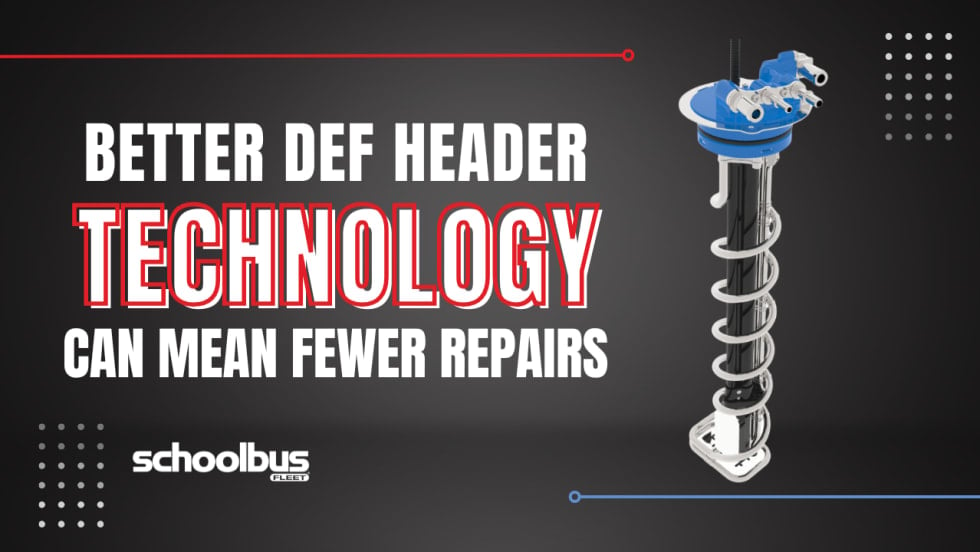
The Evolution of DEF Header Technology: What School Bus Operations Should Know at Replacement Time
See what school bus fleets should consider when replacing DEF headers to improve reliability, reduce repeat repairs, and control maintenance costs.
Read More →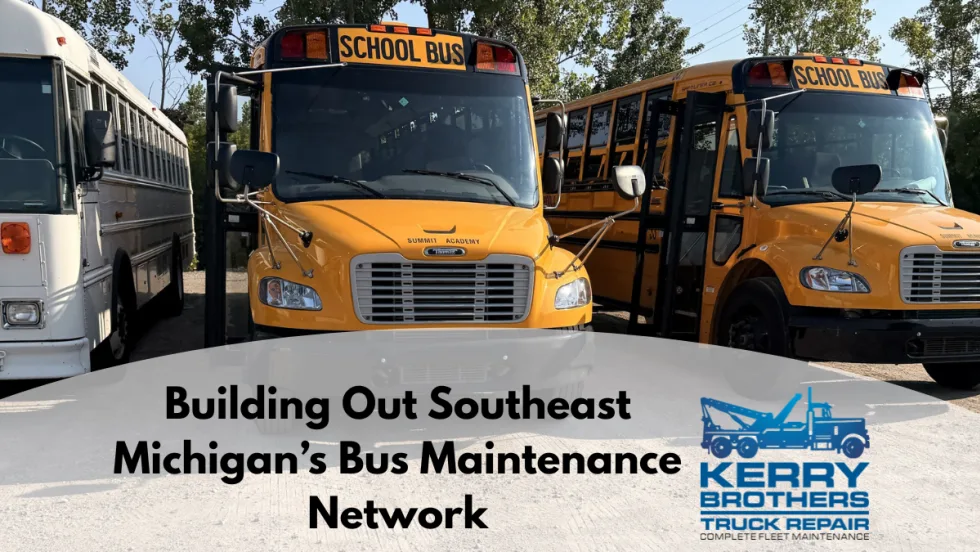
Kerry Brothers Grows Michigan School Bus Repair Network
The acquisition of Downriver Truck and Bus expands Kerry Brothers’ school bus maintenance footprint across southeast Michigan, adding repair capacity, diagnostic resources, and state inspection support.
Read More →
Noregon Introduces CAN Bus Diagnostic Tool, Expands JPRO Features
CAN Mentor and the latest JPRO update aim to simplify vehicle network diagnostics and improve repair efficiency for technicians of all experience levels.
Read More →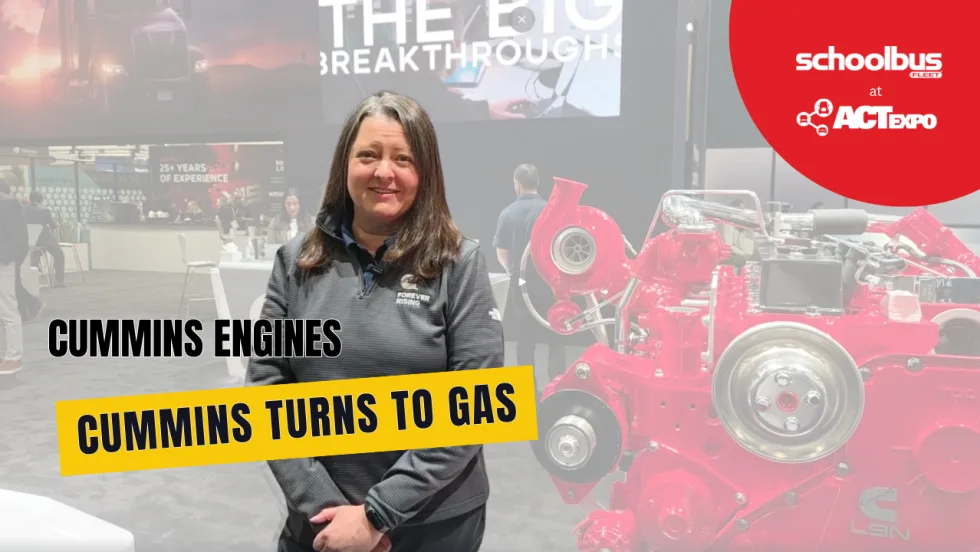
Cummins on Smarter, Simpler Engine Innovation
Cummins discusses its first-ever gasoline engine for school buses, EPA 2027, and why bus fleets still want durable, simpler internal combustion options.
Read More →
Report: 72% of Diesel School Buses Now Use Advanced Low-Emission Engines
New data shows advanced low-emission diesel technology continues expanding across school bus fleets, even as electric bus adoption gains momentum.
Read More →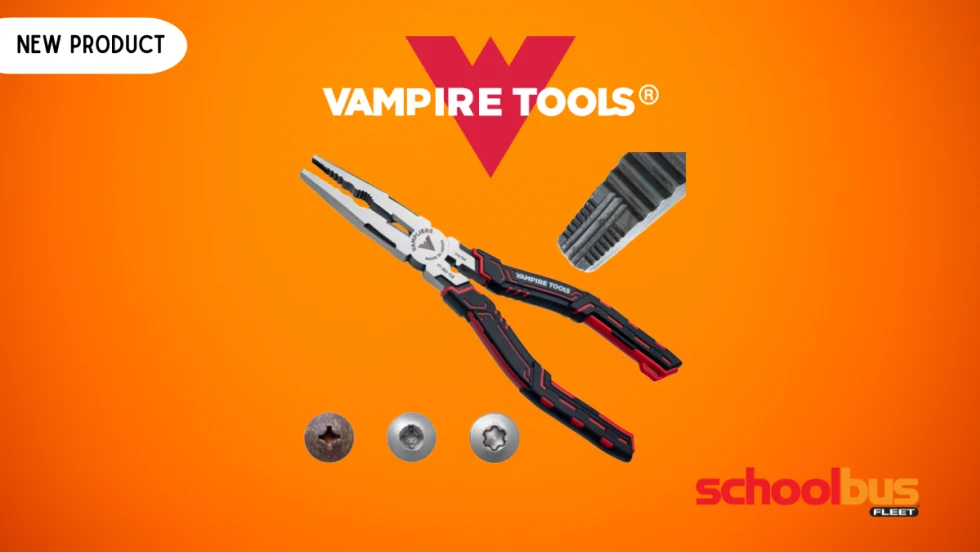
Vampire Tools' CAIMAN 7.5-Inch Multi-Purpose Screw Extractor Long-Nose Pliers with Crimper
Vampire Tools introduced the VAMPLIERS Caiman 7.5-inch multi-purpose pliers, combining screw extraction, cutting, crimping, and gripping functions into a single tool designed for fleet maintenance professionals.
Read More →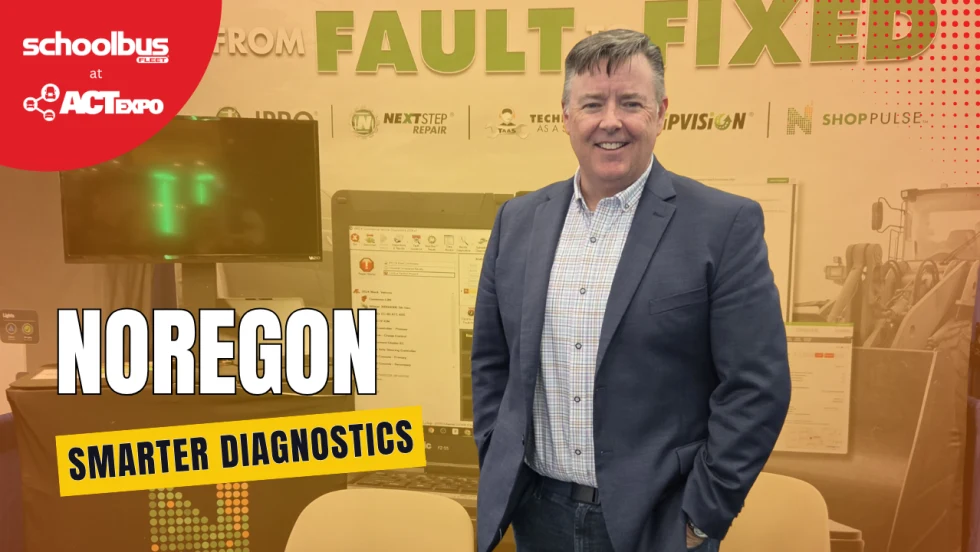
How Advanced Diagnostics Helps Bus Fleets Stay Ahead of Repairs
Chat with Noregon’s Kevin Smallhorn at ACT Expo about bus diagnostic tools, telematics integration, CNG maintenance support, and strategies to help reduce downtime and improve uptime.
Read More →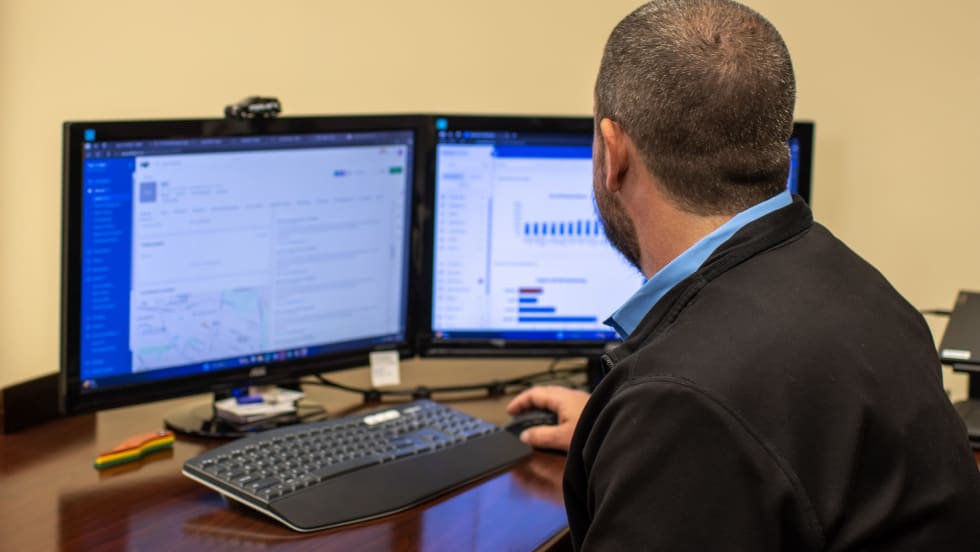
How School Bus Fleets are Getting Ahead of Breakdowns
Don’t let bus downtime wear you down. Here’s how bus operators are shifting from manual processes to AI-powered, data-driven maintenance systems for improved reliability and safety.
Read More →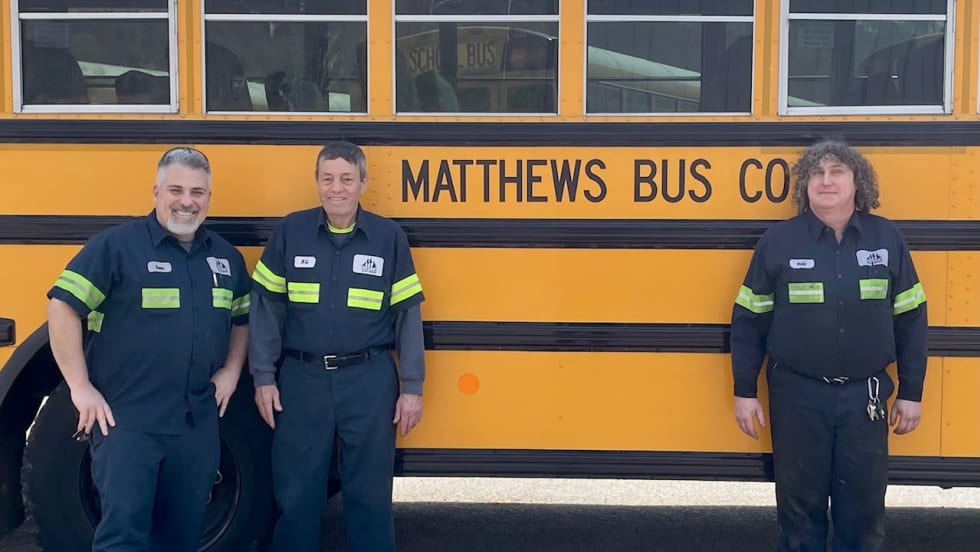
Pennsylvania School Bus Maintenance Team Praised for Dedication to Safety
Matthews Bus Company’s West Jefferson received a letter of commendation from the Pennsylvania State Police for their fleet inspections.
Read More →