




Electric Buses Charge the Grid: V2G Funding Awarded to Highland Electric Fleets
Fourteen pilot projects across the country receive access to vehicle-to-grid technology thanks to DoE funding.

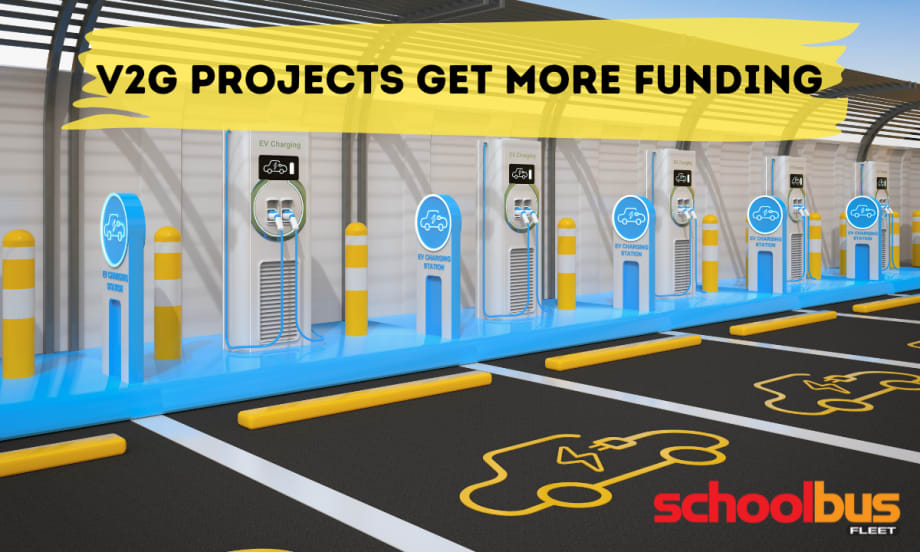
Nearly $11 million is awarded to the pilot projects.
Photo: SBF/Canva
The U.S. Department of Energy (DOE) is investing more in EV tech. The federal agency's Grid Deployment Office has selected the Scaling Vehicle-to-Grid (V2G) Integration Nationally (SVIN) project to receive $10.9 million in funding. The project is a partnership between Highland Electric Fleets, 12 utility providers, and other partners and educational institutions, to deploy 14 V2G pilot projects nationwide utilizing electric school buses.
The pilots will provide critical information to the utility companies to facilitate future program design. Based on the results, SVIN will develop a V2G Policy and Program Toolkit, providing scalable utility program designs and best practices for the technology and create data-driven, standardized metrics to assess the value of V2G assets.
Highland Electric and its partners have identified potential project sites and are currently working to finalize them.
The goal of the project? To accelerate V2G adoption across the country and provide utilities with experience and real-time data to create and customize commercial V2G programs.
"Highland Electric Fleets has pioneered V2G projects that help stabilize the grid and provide emergency power using electric school buses—an ideal vehicle for V2G services due to their prevalence, consistent short trips, and long dwell times," said Matt Stanberry, VP of market development at Highland Electric Fleets. "Now, with this generous grant provided by the U.S. Department of Energy and in collaboration with our utility partners, we can further demonstrate how V2G can help ensure communities have access to affordable and reliable electricity when and where they need it."
The funds are part of the federal government's Grid Resilience and Innovation Partnerships (GRIP) Program, which leverages federal and private investments to support a reliable grid that is prepared for extreme weather and delivers affordable, clean energy.
"As extreme weather events continue to stress electric systems across the country, the Biden-Harris Administration is using every tool in the toolbox to make sure America's power grid can provide reliable, affordable power," said Maria Robinson, director, Grid Deployment Office, U.S. Department of Energy. "Highland Electric Fleet's innovative collaboration with utilities to deploy V2G technologies will enhance grid flexibility and resilience, reduce expensive distribution system upgrades, and increase clean energy integration while ensuring customers have access to affordable and reliable electricity."
The release stated that the project will support an estimated 778 construction, installation, and utility jobs. Seven project sites are located in disadvantaged communities, and four will add vehicle-to-building capacity along with some combination of storage and solar to support community centers.
What is V2G? This technology allows electric vehicles to discharge energy back to the grid when utilities need it and can provide emergency support to buildings and community centers. According to Highland's press release, V2G-enabled vehicles can enhance grid flexibility and resilience, reduce expensive distribution system upgrades, decrease peaker plant emissions, and increase renewable energy integration.
Highland Electric says V2G deployment has not scaled nationally due to a lack of utility programs recognizing the value of V2G services.
More Alternative Fuels

CALSTART and Forth Combine to Form Catalyst Mobility
The new name represents a renewed vision for the nonprofit focused on advancing clean, equitable, and affordable transportation solutions that move people and goods.
Read More →
Alt-Fuel Moves: New Buses, Charging Hubs & Real-World EV Testing
Propane and electric school bus deployments continue to grow as districts add new vehicles, expand charging infrastructure, and gather more real-world operating data.
Read More →
Fewer Electric School Bus Models Reshape the U.S. Market
WRI’s latest buyer’s guide points to a consolidating electric school bus market, but fewer options may reflect a maturing industry rather than fewer meaningful choices for school bus operators.
Read More →
The Fuel Budget You Can Actually Predict: How Propane Autogas Keeps Money in the Classroom
Learn how propane autogas helps school districts manage fuel costs with predictable pricing, lower maintenance, and reduced emissions from former transportation director Joel Stutheit.
Read More →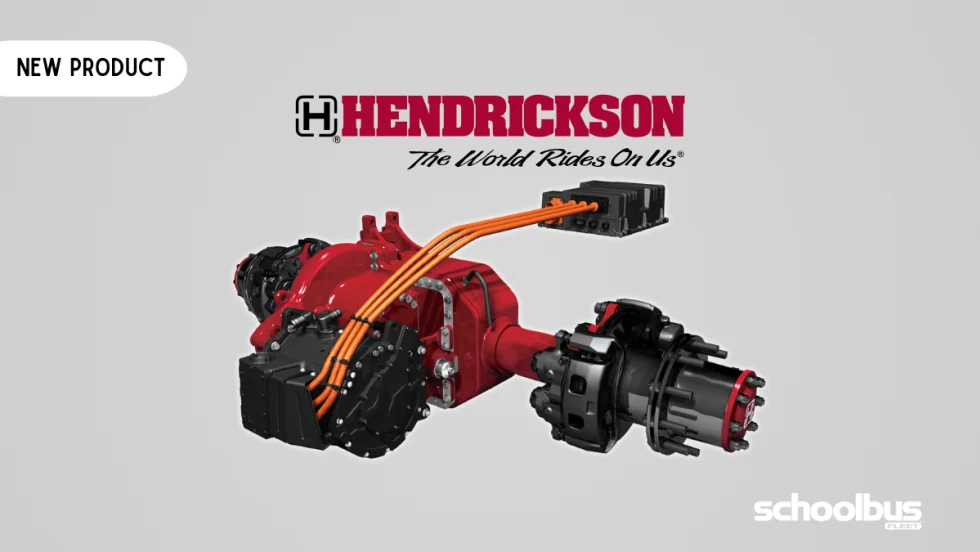
Hendrickson, Driventic Introduce New Electric Powertrain for School Buses
ELECTRAAX, the electrified, lightweight drive axle offers integrated ePowertrain efficiency and modular flexibility for Class 6–7 school bus use.
Read More →
The Mobility House Joins PowerFlex in Fleet Electrification Deal
The acquisition combines intelligent charging software, bidirectional charging expertise, and fleet electrification services to support the growing adoption of electric school buses across North America.
Read More →
Alt-Fuel Moves: Electric School Bus Investments Hit the Road
See which districts across the U.S. are putting electric school buses into service, expanding charging infrastructure, and planning the next phase of fleet electrification.
Read More →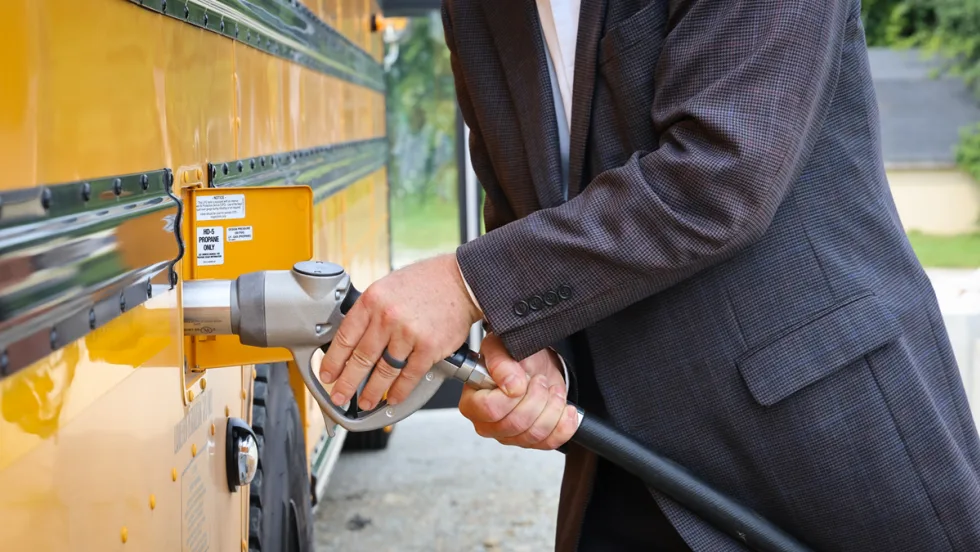
With Fuel Volatility Ahead, School Districts Turn to Propane
While diesel prices peaked above $5 this spring, districts with propane autogas-powered fleets paid under $2 per gallon, according to PERC.
Read More →
EPA Unveils Proposed Changes to 2027 Heavy-Duty Engine Rules
The federal agency has proposed changes to next year’s targets that would eliminate DEF derates, ease warranty requirements, and retain current NOx emissions standards.
Read More →
Alt-Fuel Moves: EV Charging & Infrastructure Projects Gain Momentum
The latest developments include new funding, charging infrastructure, utility investments, and fleet technologies designed to support the transition to electric school buses nationwide.
Read More →