





5 Questions: Guiding School Bus Fleets on the Path to Electrification
Red Lake School District #38 Welcomes First Electric Buses
The Minnesota school's newest additions to its fleet makes it one of the first public districts in the U.S. with a mostly indigenous population to use funding from the EPA’s Clean School Bus Program.
October 1, 2024
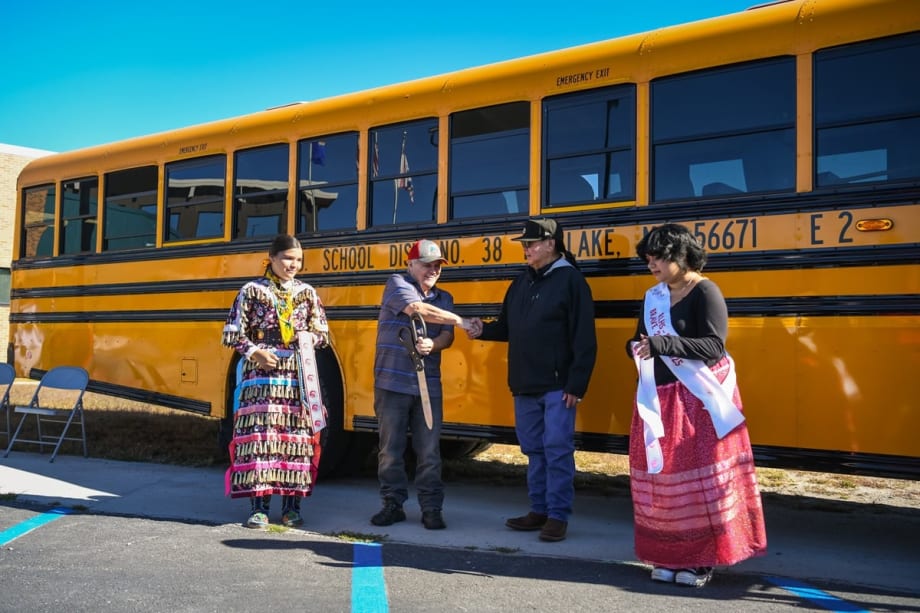
The two new Blue Bird buses will be able to transport about 50 students each. They come thanks to a partnership with Highland Electric Fleets.
Photo: Highland Electric Fleets
3 min to read
Red Lake School District #38 in Minnesota has added two electric school buses and chargers to its fleet.
The buses are Blue Bird Type C's, the first EV buses for the school. The rest of the district's fleet runs on diesel.
The district is the only public school district in the state on a sovereign tribal nation. And now, it has become one of the first in the country with a 98% indigenous population to utilize funding from the EPA’s Clean School Bus Program.
The buses come from a partnership with Highland Electric Fleets. The electrification provider works with its OEMs and dealers to ensure that all selected buses will meet route requirements, regardless of climate. "Having deployed electric school bus fleets in cold climates like South Burlington, Vt., and in the sweltering Florida heat, Highland has demonstrated that all types of communities can benefit from the switch to electric school buses," said Brian Buccella, chief commercial officer, Highland Electric Fleets. "In addition, Highland works closely with our customers to deploy effective preheating strategies, and in severe cases, upgrade specifications of the vehicles to include things like additional bulkhead and floor insulation. All these efforts make electrification possible in the extreme winter conditions of northern Minnesota."
The move to electric buses reflects the district’s commitment to energy transformation, as well as honoring its cultural heritage. The school teaches the Ojibwe language, Ojibwemowin, and honors ancestral customs as they use sustainable transportation technology.
“As an educational institution, our priority is to provide learning opportunities for students and community members in as many ways as we can,” said Tim Lutz, Red Lake School's superintendent. “We achieve this goal through standardized curricula, but also through the utilization of best practices in energy utilization and sustainability, while also teaching students about future career opportunities in cutting-edge fields both on and from the Red Lake Nation. We are very proud of our efforts resulting in acquiring our two electric school buses, and we are confident the buses will serve us well.”

The district hopes that the buses help them save money in the long run and promote better air quality. After the event, attendees toured Red Lake on the buses.
Photo: Highland Electric Fleets
The district’s new electric buses will help transport approximately 50 students each. With the necessary infrastructure in place, the electric buses can obtain an average range of 110 miles throughout the year with a full midday charge. The two buses are expected to travel a total of approximately 10,000 miles annually.
"Enabling smaller, rural districts like Red Lake Schools with equitable solutions for their buses proves that electrification can be simple, accessible and affordable for all," Buccella said. "Our view is this technology is truly for everyone, and we want to support an array of communities to help make that a reality."
A ribbon-cutting ceremony was held on Friday, Sept. 27 to launch the new buses at Red Lake Elementary School. The event included Ojibwe traditions, keynote speakers from Red Lake Nation, government officials, and a student from Red Lake. Attendees had the opportunity to take a short ride on one of the new electric buses.
More Alternative Fuels

CALSTART and Forth Combine to Form Catalyst Mobility
The new name represents a renewed vision for the nonprofit focused on advancing clean, equitable, and affordable transportation solutions that move people and goods.
Read More →
Alt-Fuel Moves: New Buses, Charging Hubs & Real-World EV Testing
Propane and electric school bus deployments continue to grow as districts add new vehicles, expand charging infrastructure, and gather more real-world operating data.
Read More →
Fewer Electric School Bus Models Reshape the U.S. Market
WRI’s latest buyer’s guide points to a consolidating electric school bus market, but fewer options may reflect a maturing industry rather than fewer meaningful choices for school bus operators.
Read More →
The Fuel Budget You Can Actually Predict: How Propane Autogas Keeps Money in the Classroom
Learn how propane autogas helps school districts manage fuel costs with predictable pricing, lower maintenance, and reduced emissions from former transportation director Joel Stutheit.
Read More →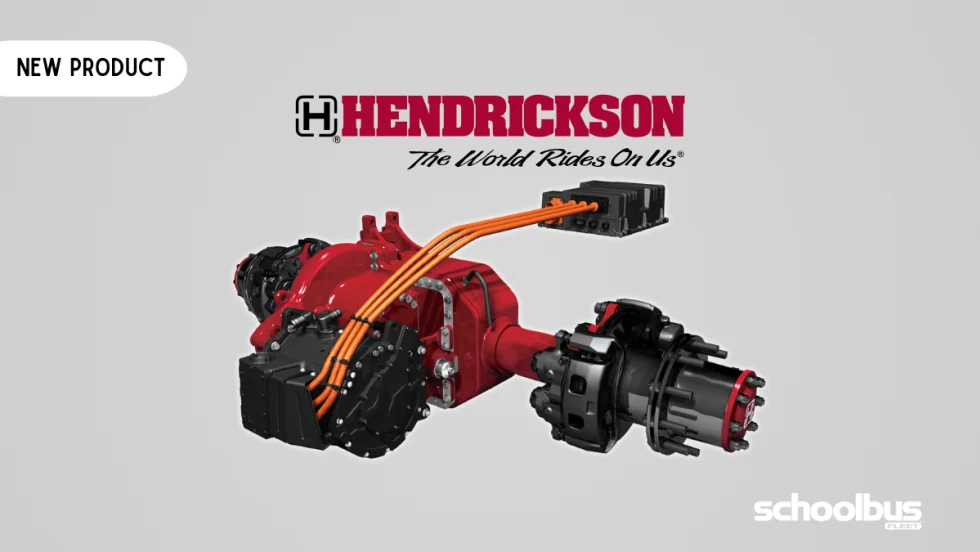
Hendrickson, Driventic Introduce New Electric Powertrain for School Buses
ELECTRAAX, the electrified, lightweight drive axle offers integrated ePowertrain efficiency and modular flexibility for Class 6–7 school bus use.
Read More →
The Mobility House Joins PowerFlex in Fleet Electrification Deal
The acquisition combines intelligent charging software, bidirectional charging expertise, and fleet electrification services to support the growing adoption of electric school buses across North America.
Read More →
Alt-Fuel Moves: Electric School Bus Investments Hit the Road
See which districts across the U.S. are putting electric school buses into service, expanding charging infrastructure, and planning the next phase of fleet electrification.
Read More →
With Fuel Volatility Ahead, School Districts Turn to Propane
While diesel prices peaked above $5 this spring, districts with propane autogas-powered fleets paid under $2 per gallon, according to PERC.
Read More →
EPA Unveils Proposed Changes to 2027 Heavy-Duty Engine Rules
The federal agency has proposed changes to next year’s targets that would eliminate DEF derates, ease warranty requirements, and retain current NOx emissions standards.
Read More →
Alt-Fuel Moves: EV Charging & Infrastructure Projects Gain Momentum
The latest developments include new funding, charging infrastructure, utility investments, and fleet technologies designed to support the transition to electric school buses nationwide.
Read More →