





Meeting the Challenges of Transporting Special-Needs Students
Federal Court: NYC Denied Equal Access to School Transportation
The plaintiffs didn't seek monetary damages. Instead, they want the city's education department to overhaul how it serves students with diabetes.
January 29, 2022

The court ruling found that the city's Department of Education should've done a better job providing students with diabetes the services necessary for an appropriate education.
Photo by Harrison Mitchell via Unsplash
3 min to read
The New York City Department of Education routinely denies students with diabetes access to field trips and bus transportation, according to a federal court ruling.
U.S. District Court Judge Nina Gershon stated in her Jan. 27 ruling that the DOE “failed to provide a free, appropriate public education because they have not provided students with diabetes the services determined to be necessary to meet their needs.”
The ruling comes in response to a class-action lawsuit brought in 2018 by the American Diabetes Association and the families of three individual students with diabetes who attend New York City schools.
All students with diabetes require a trained adult on the school bus to be able to administer a life-saving emergency medicine called glucagon, which is used to treat severe hypoglycemia (low blood sugar). Untreated severe hypoglycemia can cause loss of consciousness, seizure, a coma, or even death. From September 2016 to March 2020, requests for a trip nurse went unfilled 23.2% of the time. Parents were frequently pressured to attend trips and provide care to children themselves, or their child would be left behind or the trip would be cancelled for the entire class.
The DOE had argued that calling 911 would be sufficient to ensure student safety, but the court disagreed.
“To remedy these violations of the law with respect to field trips, the federal court has ordered the City of New York to determine how many trip nurses are necessary to cover the shortfall and hire a sufficient number of nurses to serve as a ‘float pool’ to ensure that students can attend all trips,” according to a news release.
The court ordered DOE to train all bus drivers and attendants to administer glucagon “to ensure that every bus has a trained adult capable of responding in an emergency.”
“Parents of New York City Public School students with diabetes will now have the comfort in knowing their children can safely ride the school bus and not be denied the opportunity to go on field trips with their classmates,” said Crystal Woodward, director of the American Diabetes Association’s Safe at School initiative.
Yelena Ferrer, parent of one of the students involved in the lawsuit, said: “Our family couldn’t be more elated by this historic victory! It is a new dawn for not only our son, but for the care of all children with diabetes in New York City public schools.”
The lawsuit was filed in the U.S. District Court for the Eastern District of New York. Plaintiffs didn’t seek monetary damages. Instead, they want an overhaul of the DOE’s policies and practices governing the delivery of diabetes-related care.
“Today’s decision will have a critical impact for children with diabetes and their families,” said Torie Atkinson, staff attorney at Disability Rights Advocates. “We look forward to continuing to work with the DOE towards a comprehensive settlement that further improves the educational experience for these students.”
The DOE has not yet responded to a request for comment from School Bus Fleet.
More Safety

How to Build a Better School Bus Driver Training Program
Is it time to strengthen your driver training? Here’s how to pick the right talent and improve recruitment, retention, and safety. This video is brought to you by IC Bus.
Read More →
Recent School Bus Accidents Leave 2 Dead, 2 Injured
Four school bus crashes in Florida, Illinois, and Georgia highlight risks in transportation lots, at bus stops, and during student loading and unloading.
Read More →
Sponsored•September 8, 2026
When Every Second Matters, Clarity Keeps Routes Moving
From routine delays to urgent incidents, strong communication practices help drivers, dispatchers, schools, and families respond with confidence.
Read More →

What Happens When a School Bus Catches Fire — and What Can Help
School bus fires are rare but can be devastating. Learn how advances in fire suppression and asset protection help fleets detect fires earlier, reduce damage, and improve safety.
Read More →
Geotab Launches Tool to Help Fleets Investigate Road Incidents
Geotab Investigations combines telematics data, video, documents, and other evidence to help fleets reconstruct incidents, resolve claims, and determine what happened.
Read More →
Texas Sixth Grader Wins 2026 National School Bus Safety Poster Contest
Sai Darshana Yekolu of Moseley Middle School in Prosper, Texas, was named the newest winner for her artwork, bringing the theme of “Safe Rides, Everyday Heroes” to life.
Read More →
Sponsored•August 27, 2026
Doing More With Less: How Transportation Directors Can Prioritize Safety Amid Budget Uncertainty
With diesel prices soaring and nearly one-third of transportation directors expecting budget cuts, maintaining student safety has never been more challenging. Download this guide to learn how leading districts are prioritizing risk, funding critical safety technology, and building stronger budget cases with data.
Read More →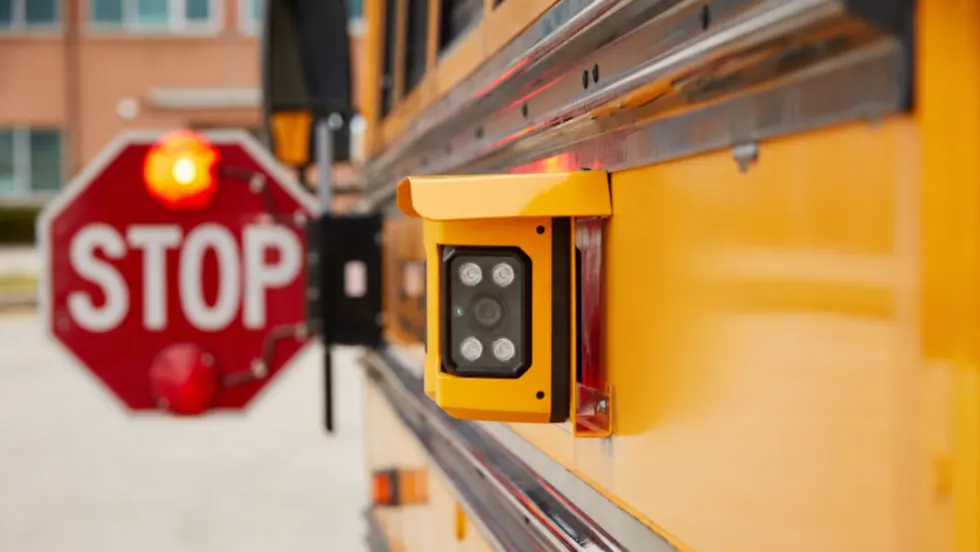
Walton County Schools Adds Gatekeeper Stop-Arm Enforcement System
The Florida district will deploy Gatekeeper’s updated Student Protector technology, which now incorporates AI to improve video evidence.
Read More →
How To Build a More Secure School Bus Yard During and After Hours
As thefts and overnight security threats continue, school transportation leaders are combining stronger operational practices with AI-enabled surveillance to better protect buses, facilities, and staff.
Read More →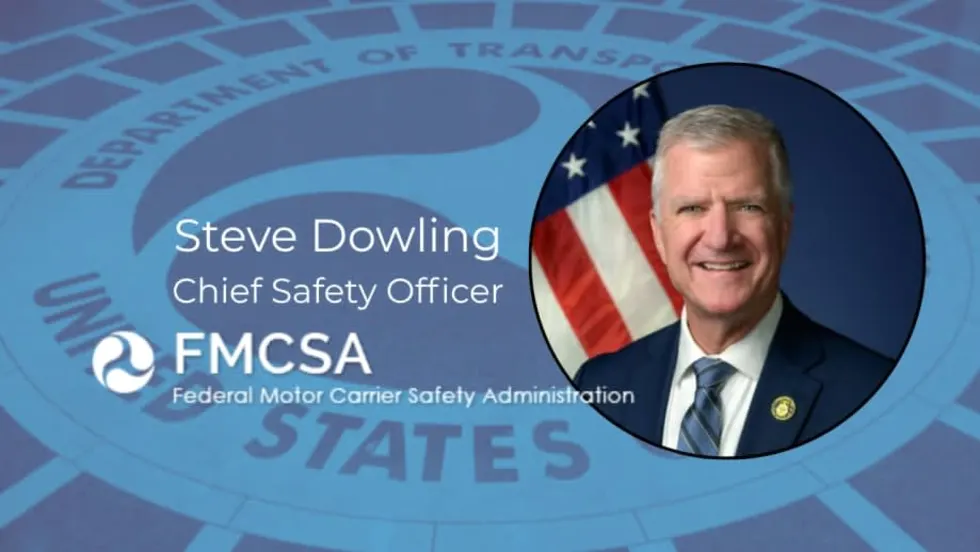
FMCSA Names New Chief Safety Officer: What School Bus Operators Should Know
Steve Dowling is set to lead the federal agency's efforts to advance commercial motor vehicle safety and reduce crashes, fatalities, and injuries on the nation's roadways.
Read More →