




New stop-arm product aims to enhance visibility
S.A.F.E. GATES™ are available in 20-inch or 48-inch models, and made of either fiberglass, aluminum or stainless steel. They can be seen over 1 mile away and take less than 15 minutes to install, company officials said.

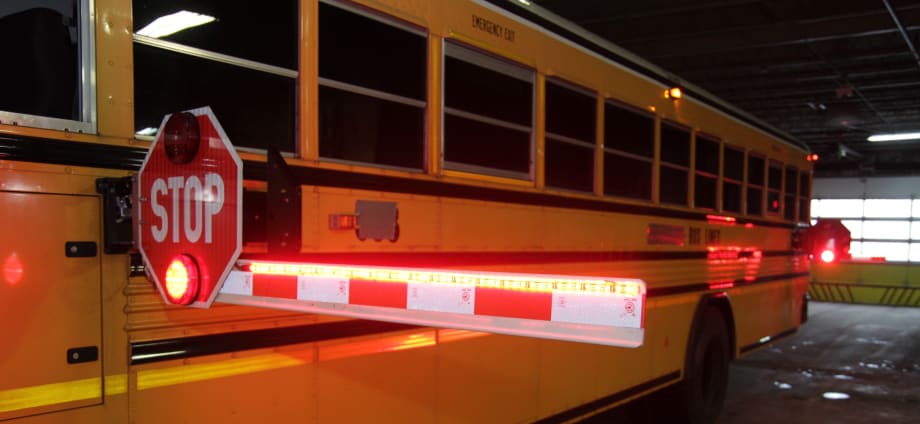
S.A.F.E. GATES are designed to be seen from over 1 mile away. Shown here are the 48-inch gate for the front stop arm and the 20-inch gate for the rear stop arm.
S.A.F.E. GATES are designed to be seen from over 1 mile away. Shown here are the 48-inch gate for the front stop arm and the 20-inch gate for the rear stop arm.
Frustrated by the ongoing problem of illegal school bus passing, a longtime school transportation professional and his business partner designed a tool to potentially prevent these dangerous incidents.
School bus industry veteran Jamie Enger co-invented and co-founded the company S.A.F.E. (Stop Arm Fixed Extension) GATES™. The illuminated, retrofit stop-arm gates of the same name are designed to be more visibile to motorists.
The idea to create the retrofit arm gates came to Enger, who is also a mechanic, after his son was nearly hit by a motorist who illegally passed a school bus. Enger said that he thought that the stop sign may not extend out far enough to be seen by motorists, and started working on a product that would be even more visible and that would be easy to install. He and his business partner conducted research for three years, focusing on visibility, durability and affordability for nearly any school district or school transportation company.
The S.A.F.E. GATES stop-arm gates are available in a 20-inch or 48-inch model, and are made of either fiberglass, aluminum or stainless steel. A package that includes both gates, for both front and rear stop arms, is also available. The 48-inch Large retrofit gate is designed for the front stop arm, and the 20-inch Junior retrofit gate is the ideal length for the rear stop arm, Enger said. The aluminum, 48-inch and 20-inch gate package is created particularly for manufacturers to add to new buses, or for contractors or school districts that want to retrofit buses.
S.A.F.E. GATES™ also feature high visibility, with 3-inch wide 3M diamond reflective tape and LED lights on front and back, and can be seen over 1 mile away, Enger said. Additionally, they are durable enough to withstand being hit by a vehicle at up to 35 miles per hour without breaking off the bus, he added.
S.A.F.E. GATES™ can be installed on any stop arm, Enger said. Only one breakaway bolt needs to be drilled into the stop sign, and installation can be completed in less than 15 minutes.
Although Enger thinks that installing cameras on the side of school buses to ticket motorists running the stop arm is a good idea, he has an eye on prevention, he said.
“A camera will not stop a vehicle from running a school bus stop arm, thus leaving a child in danger,” Enger added. “Let’s stop vehicles from running the stop arm by using a S.A.F.E. GATES™ product, not generate money through fines for municipalities.”
More Safety

Recent School Bus Accidents Leave 2 Dead, 2 Injured
Four school bus crashes in Florida, Illinois, and Georgia highlight risks in transportation lots, at bus stops, and during student loading and unloading.
Read More →
When Every Second Matters, Clarity Keeps Routes Moving
From routine delays to urgent incidents, strong communication practices help drivers, dispatchers, schools, and families respond with confidence.
Read More →
What Happens When a School Bus Catches Fire — and What Can Help
School bus fires are rare but can be devastating. Learn how advances in fire suppression and asset protection help fleets detect fires earlier, reduce damage, and improve safety.
Read More →

Geotab Launches Tool to Help Fleets Investigate Road Incidents
Geotab Investigations combines telematics data, video, documents, and other evidence to help fleets reconstruct incidents, resolve claims, and determine what happened.
Read More →
Texas Sixth Grader Wins 2026 National School Bus Safety Poster Contest
Sai Darshana Yekolu of Moseley Middle School in Prosper, Texas, was named the newest winner for her artwork, bringing the theme of “Safe Rides, Everyday Heroes” to life.
Read More →
Doing More With Less: How Transportation Directors Can Prioritize Safety Amid Budget Uncertainty
With diesel prices soaring and nearly one-third of transportation directors expecting budget cuts, maintaining student safety has never been more challenging. Download this guide to learn how leading districts are prioritizing risk, funding critical safety technology, and building stronger budget cases with data.
Read More →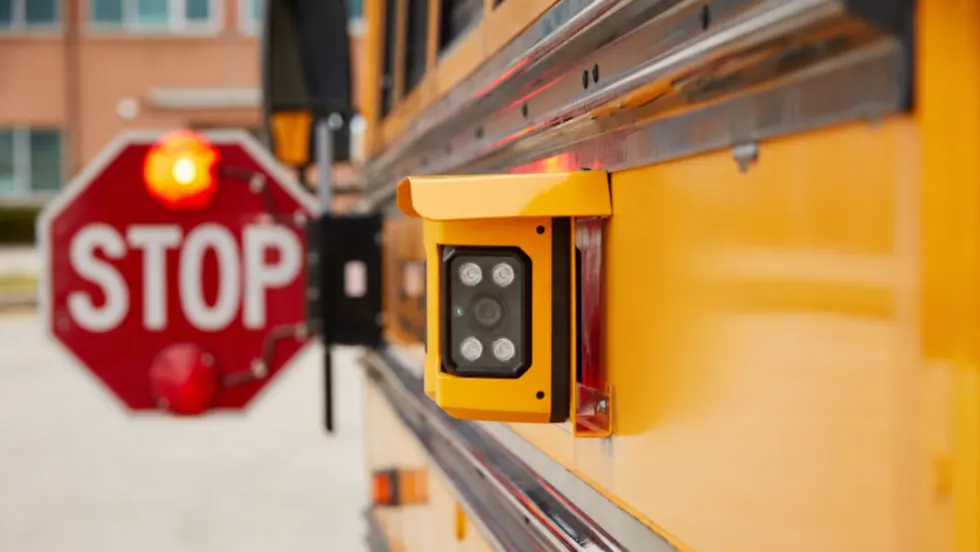
Walton County Schools Adds Gatekeeper Stop-Arm Enforcement System
The Florida district will deploy Gatekeeper’s updated Student Protector technology, which now incorporates AI to improve video evidence.
Read More →
How To Build a More Secure School Bus Yard During and After Hours
As thefts and overnight security threats continue, school transportation leaders are combining stronger operational practices with AI-enabled surveillance to better protect buses, facilities, and staff.
Read More →
FMCSA Names New Chief Safety Officer: What School Bus Operators Should Know
Steve Dowling is set to lead the federal agency's efforts to advance commercial motor vehicle safety and reduce crashes, fatalities, and injuries on the nation's roadways.
Read More →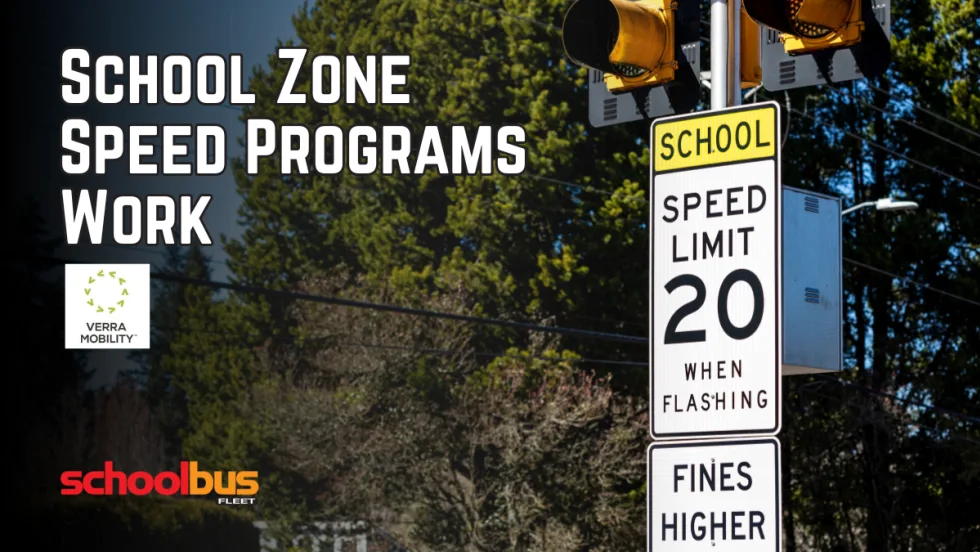
New Study Finds School Zone Speed Safety Cameras Cut Speeding Violations 97%
A Florida university's research demonstrates that Verra Mobility's automated enforcement changes driver behavior and significantly improves school zone safety.
Read More →