

 MENU
 SEARCHMENUSEARCH
Loading data...

Twenty-six parties with different interests reached an agreement that is far better than the original proposal. The agreement includes a balance of increased requirements that are not detrimental to the industry and will foster safer entry-level drivers.
Read More →
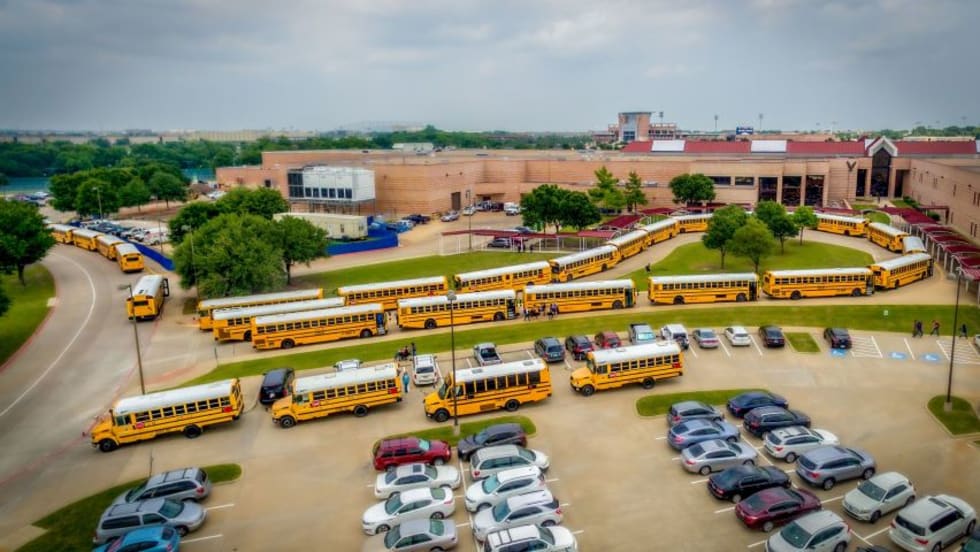
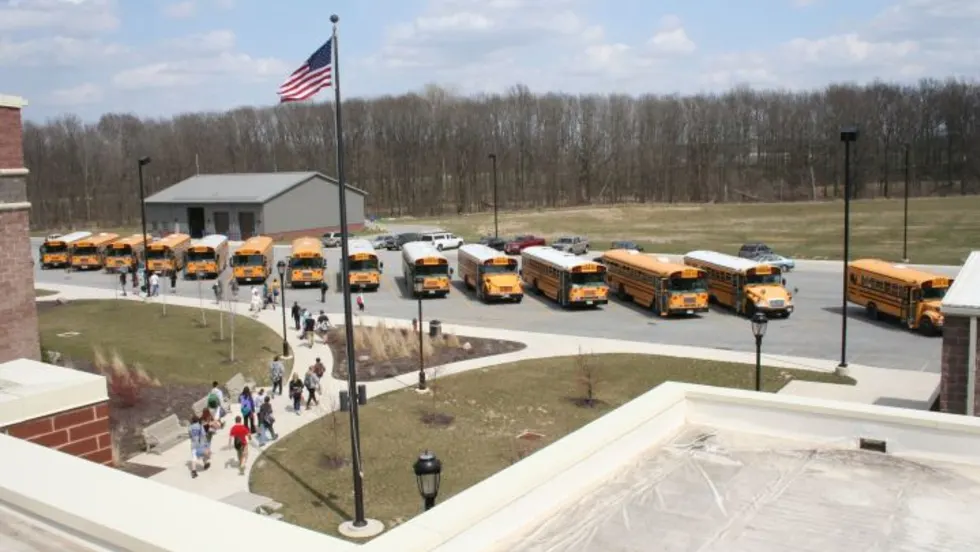
School transportation remains a critical element within the context of a child’s overall educational experience. When we boil this element down to a cost-saving endeavor, we’ve really done a disservice to our children.
Read More →The association invites U.S. Representative Jackie Walorski (R-Ind.) on its podcast, “The Bus Stop,” to discuss her journey to Capitol Hill and outline the Stop for School Buses Act of 2019.
Read More →The Coronavirus Aid, Relief, and Economic Security Act includes $30.75 billion for an "Education Stabilization Fund" for states, school districts, and institutions of higher education for costs related to the COVID-19 pandemic.
Read More →Pupil transporters don’t have the luxury of relying on assumptions when utilizing resources. Having real and accurate data will spark fruitful conversations about the future of pupil transportation.
Read More →The National School Transportation Association calls for U.S. Senate co-sponsors of the proposed fund unveiled on Capitol Hill to list school bus drivers as essential workers eligible for $25,000 in hazard pay.
Read More →$2.7 billion will be used to establish a mitigation trust fund to support the replacement or repowering of school buses and other diesel vehicles.
Read More →Reducing the frequency of illegal passing incidents is the focus of this year’s NSTA message to legislators in Washington, D.C.
Read More →Advocacy efforts have involved defending existing laws that benefit the industry, opposing regulations that would be harmful, and promoting new policies that will help and grow the industry.
Read More →The cost of three-point belts would have to come from somewhere within a local budget. We are concerned that if mandated and unfunded, that additional cost could force some districts to make choices that may not be in the best interests of safety.
Read More →