





Related: NSTA Keeps Urging Contractor Pay During Congressional Stalemate Over COVID-19 Aid
NSTA Encourages Inclusion of School Bus Drivers in Proposed Federal ‘Heroes Fund’
The National School Transportation Association calls for U.S. Senate co-sponsors of the proposed fund unveiled on Capitol Hill to list school bus drivers as essential workers eligible for $25,000 in hazard pay.
April 22, 2020
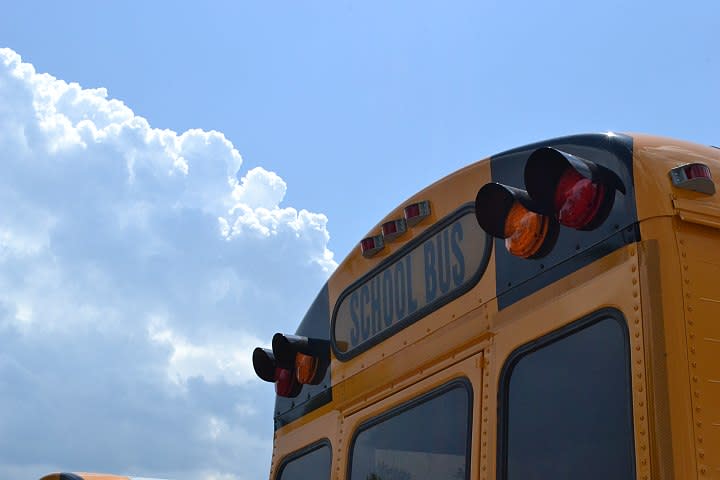
The National School Transportation Association has called for U.S. Senate co-sponsors of the proposed Heroes fund to list school bus drivers as essential workers eligible for $25,000 in hazard pay. File photo
2 min to read

The National School Transportation Association has called for U.S. Senate co-sponsors of the proposed Heroes fund to list school bus drivers as essential workers eligible for $25,000 in hazard pay. File photo
LANSDALE, Pa. — The National School Transportation Association (NSTA) has written to U.S. Senate co-sponsors of the “Heroes Fund” to request the inclusion of school bus drivers as essential workers in the $25,000 hazard pay proposal recently unveiled on Capitol Hill.
The letter, authored by NSTA Executive Director Curt Macysyn, was addressed to Sen. Charles Schumer (NY), Sen. Gary Peters (MI), Sen. Sherrod Brown (OH), Sen. Patty Murray (WA), Sen. Robert Casey (PA), and Sen. Tom Udall (NM), the association said in a news release.
“Even though schools may be closed, school bus drivers have answered the call to deliver essential nutrition programs to students who would have normally received them, if they remained in the classroom,” Macysyn said. “Unlike many other professions, school bus drivers do not have the capacity to work from home, so they remain on the front lines of the COVID-19 pandemic. And most of these committed professionals will faithfully return to their vital role of transporting schoolchildren, once this health crisis subsides.”
The COVID-19 pandemic has challenged the nation’s education system in unprecedented ways. Many schools have shuttered their doors until the next academic year, while others are closed indefinitely.
In an effort to support their communities and retain trained and experienced drivers, school bus contractors have worked with school districts to deliver food and supplies to students. Many parents are relying on these drivers to deliver meals that the students would have received if they were in school.
For many drivers, this means they are subjecting themselves to an increased risk of exposure to the coronavirus and contracting COVID-19 as they provide critical outreach to hard-hit communities.
NSTA advises that although the previously mentioned efforts place drivers on the front line temporarily, they are highly necessary. When school resumes, however, school bus contractors will likely need incentives to recruit and retain drivers for highly exposed positions on buses with as many as 72 passengers. Many individuals may not want to risk that exposure and others willing to expose themselves to the risks involved should be rewarded.
Senate Democrats continue to rally support for the Heroes Fund, and several have indicated that this provision should be folded into the fourth installment of COVID-19 federal stimulus legislation, according to NSTA.
Additionally, NSTA identified and thanked essential workers such as school bus drivers and monitors by joining the U.S. House Committee on Transportation & Infrastructure’s tweetstorm #ToThoseWhoKeepUsMoving on Tuesday. NSTA and its members also thanked school bus drivers on Facebook, Instagram, LinkedIn, and Twitter.
More Management

How to Build a Better Driver Training Program
Ready to boost up your school bus instructor training? Here’s how to pick the right talent and improve recruitment, retention, and safety.
Read More →
CALSTART and Forth Combine to Form Catalyst Mobility
The new name represents a renewed vision for the nonprofit focused on advancing clean, equitable, and affordable transportation solutions that move people and goods.
Read More →
What Makes a Great School Bus Driver Trainer?
Choosing the right school bus driver trainer takes more than experience. Learn six keys to selecting and developing trainers and evaluating program effectiveness.
Read More →


School Bus Contractors Expand Through New Deals, Acquisitions & Partnerships
STA's Canadian division acquires Ontario-based G&L Stevenson Transport while Durham School Services adds a new district contract in California, First Student adds a New Jersey contract, and Minnesota Coaches acquires Halo Transportation.
Read More →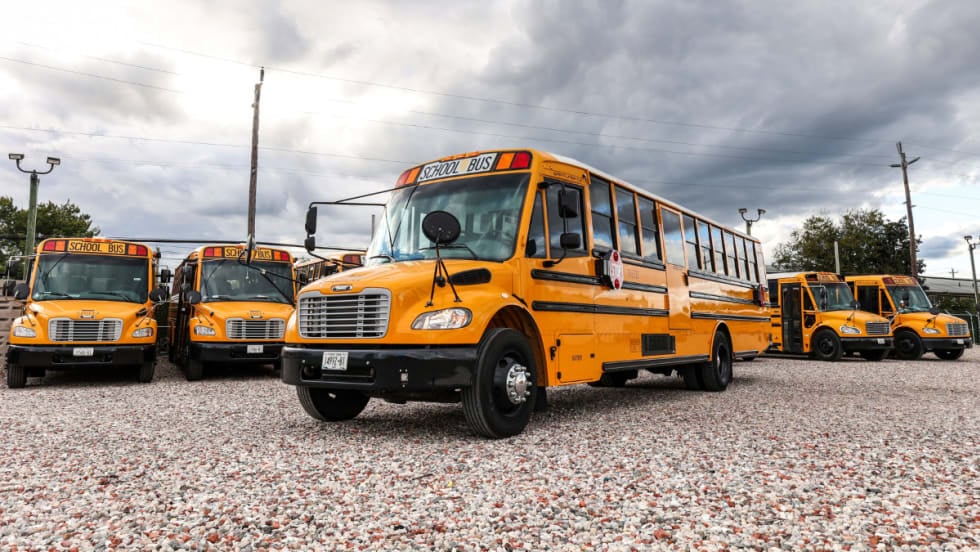
Logan Bus Company Rolls Out AI Phone System for NYC School Bus Families
A summer pilot found that AI agents could handle most routine calls, freeing up time for customer service staff to focus on emergencies and complex family concerns.
Read More →
From Intent to Impact: What I Learned About Leadership from TAPT
A Texas transportation supervisor shares lessons on self-awareness, accountability, managing stress and building trust — and why investing in leadership development matters at every stage of your career.
Read More →
NAPT Names 2026 Award Recipients, Hall of Fame Inductee
Who earned national recognition for their work in student transportation? This year, NAPT named five recipients of its 2026 awards for service, safety, and leadership, plus its newest Hall of Famer.
Read More →
Sponsored•September 2, 2026
2026 State of Student Transportation Report
Driver shortages. Rising costs. Growing safety expectations. More data, but not enough time to act on it. The 2026 State of Student Transportation Report reveals what transportation leaders say is putting the most pressure on their operations—and where they’re investing next. See how your priorities compare.
Read More →
How to De-Escalate an Angry Person: 5 Steps for Handling Workplace Conflict
What makes emotions run high, and how should you handle an angry colleague or parent? Follow these steps for staying calm, listening, showing empathy, and resolving conflict.
Read More →
Sponsored•September 1, 2026
What Readiness Looks Like This School Year
Learn about the challenges shaping the 2026–2027 school year, from persistent driver shortages and budget pressure to technology and readiness gaps. See how school districts are responding and adapting in Zonar’s 2026 Back-to-School Readiness Report.
Read More →