

NSTA Advocacy in Action — How we advocate for the school bus industry
Advocacy efforts have involved defending existing laws that benefit the industry, opposing regulations that would be harmful, and promoting new policies that will help and grow the industry.
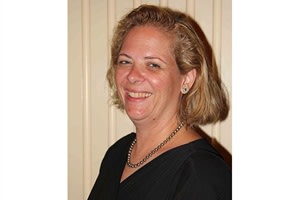
Ronna Weber is executive director of the National School Transportation Association.
Throughout the history of the National School Transportation Association (NSTA), advocacy on behalf of private school bus contractors with Congress and federal agencies has been the key to NSTA’s mission and success.
NSTA set a goal over 50 years ago of being the voice of the school bus industry in Washington, and we continue to work to be that voice today. We have been successful on many fronts and with a myriad of issues.
Advocacy efforts have involved defending existing laws and regulations that benefit the industry, opposing laws and regulations that would be harmful, and promoting new policies that will help and grow the industry.
Several years ago, NSTA began to regularly host our annual spring board meeting in Washington, D.C. In conjunction with our committee and board meetings, NSTA members spend a few days on Capitol Hill with their elected officials, as well as with federal agency officials.
The Capitol Hill “Bus-In” has grown steadily in size and effectiveness since its inception. This annual event has become a critical component of NSTA’s overall government relations strategy and has maximized our effectiveness on key issues.
During NSTA’s 2014 Bus-In, we advocated for the following MAP-21 reauthorization issues: preservation of school bus and charter transportation protections in transit law; reasonable regulation of the private school bus industry; and preservation of the federal fuel tax exemption for school bus transportation. In addition, we advocated for increased Diesel Emissions Reduction Act (DERA) funding; the passage of bonus depreciation and alternative fuel tax credits under the tax extenders; and a revision in the definition of full-time under the Affordable Care Act.
In 2014, NSTA members attended a total of 228 meetings with staff and members of the U.S. Senate and the U.S. House of Representatives. In 2014, we saw the passage of two important pieces of legislation we advocated for during our Bus-In: increased funding for the DERA program and tax extenders for the calendar year 2014 to include both bonus depreciation and alternative fuel vehicles.
When necessary to achieve our goals and when feasible, NSTA participates in coalitions with other industry partners, trade associations, non-profits, corporations and public entities.
NSTA’s legislative successes over the past 50 years are too numerous to count, but some key successes critical to the thriving of the industry include: defeat of a federal excise tax on contracted buses; creation and preservation of the prohibition against unfair competition in home-to-school service by public transit entities; the federal fuel tax exemption for school bus transportation; and the creation of the Clean School Bus USA/DERA program.
Once Congress passes a law, federal agencies must implement the law through regulations. Federal agencies also implement the policies of the president through their own initiatives.
Private school bus contractors are heavily regulated; many agencies’ work affects a contractor’s operations. NSTA has faced myriad regulatory issues across a broad spectrum of federal agencies, including the departments of Transportation, Education, Homeland Security, Environmental Protection, Justice, Labor, Treasury, Internal Revenue Service, Health and Human Services, and others, as well as independent agencies such as the National Transportation Safety Board, the National Labor Relations Board and others.
NSTA has been engaging and advocating with all of these agencies toward the goal of achieving the most reasonable and rational regulatory environment possible for the industry. NSTA engages in a variety of ways in the regulatory process, including directly with political appointees and staff, providing comments on issues of importance to the industry, and through active participation in advisory committees, negotiated rulemaking committees and coalitions.
Without NSTA’s close attention and expertise to help members understand how existing and newly proposed regulations will impact the industry — and NSTA’s advocating vigorously for change when necessary — the industry would not be as strong as it is today.
NSTA was created over 50 years ago for the purpose of defeating an unfair federal excise tax on contractors, and our founders were successful in defeating that tax. Today, NSTA continues to be the voice in Washington for the yellow school bus industry and private contractors so that NSTA and its members can continue to grow and thrive.
More Management
EverDriven Names Five Winners of 2026 Student Transportation Awards
See which district leaders were recognized for expanding access to school transportation, improving safety, and tracking route coverage.
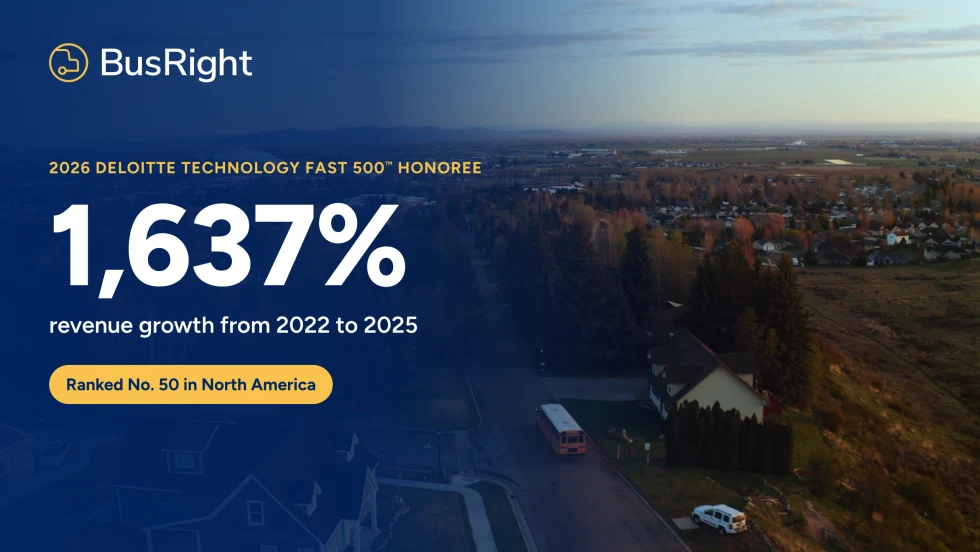
5 Student Transportation Technology Companies Make Deloitte Fast 500 List
BusRight, Polara, Samsara, BusPatrol, and Netradyne were recognized for their strong three-year revenue growth.
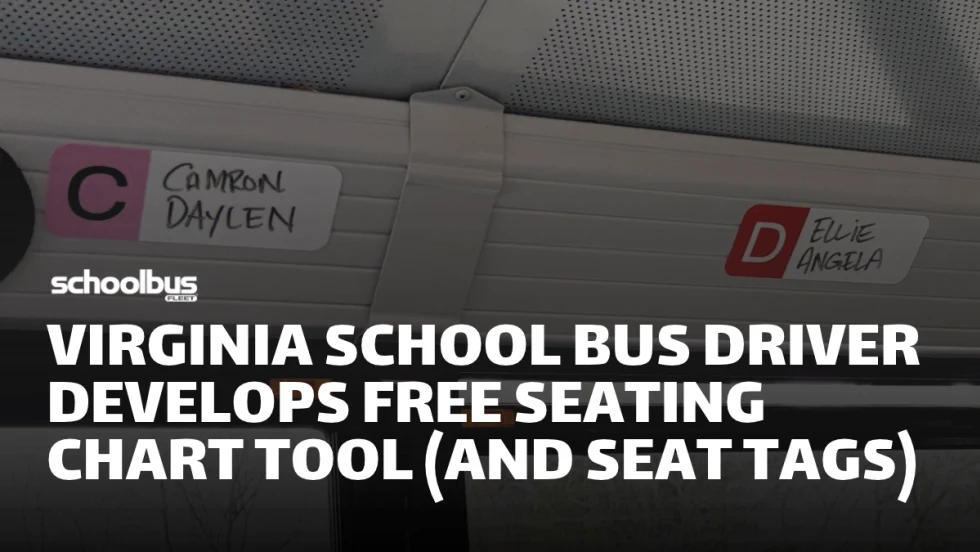
Virginia School Bus Driver Develops Free Seating Chart Tool to Help Manage Students
Montgomery County school bus driver Ben Crenshaw combined his design background with firsthand experience managing young passengers to create a seating system that uses color-coded tags and a free online chart.
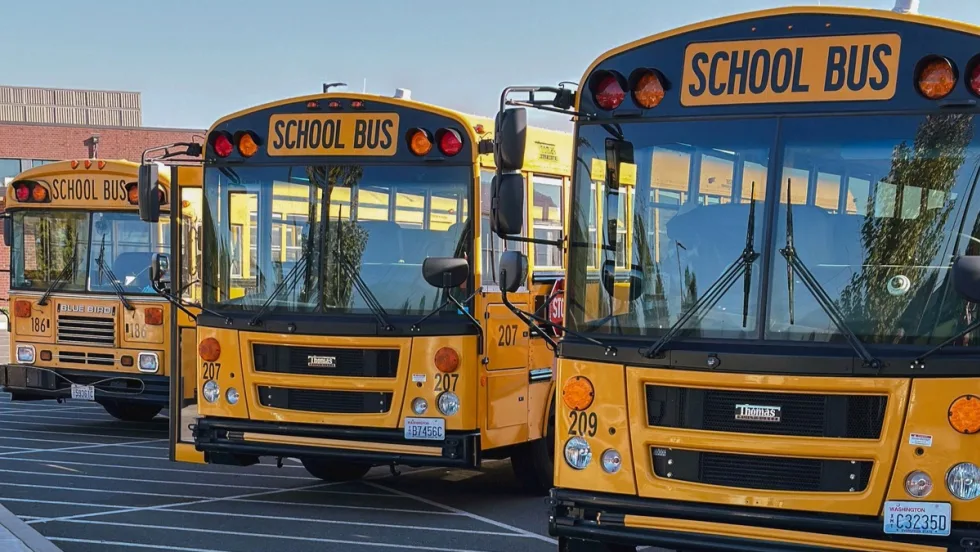
Dreams, Discipline, and Dairy Products
One school bus driver's humorous take on student behavior shows why patience, structure, and a little grace matter more than expecting kids to be perfect.
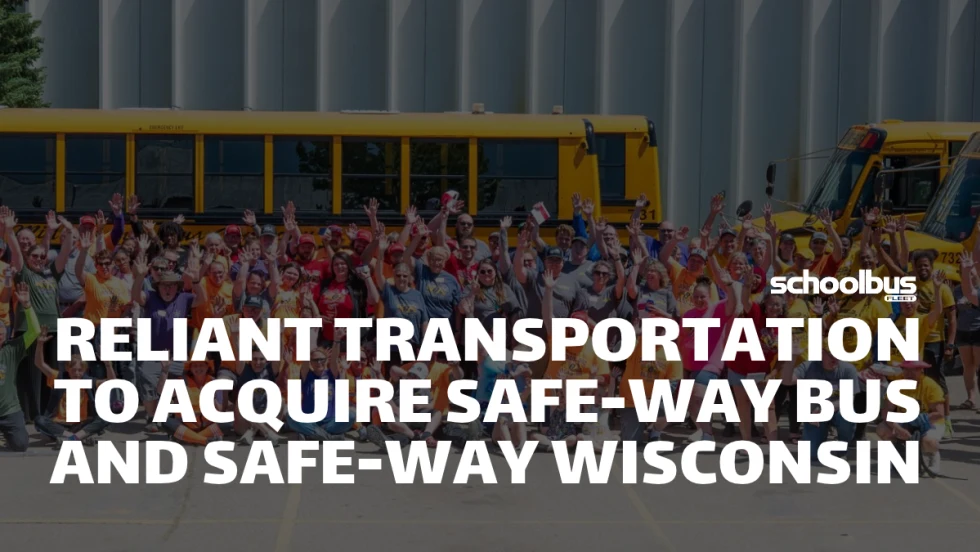
Reliant Transportation to Acquire Safe-Way Bus, Expand Midwest Operations
The Minnesota and Wisconsin-based school and charter service operator adds 160 buses to Reliant's fleet as the company continues its expansion.
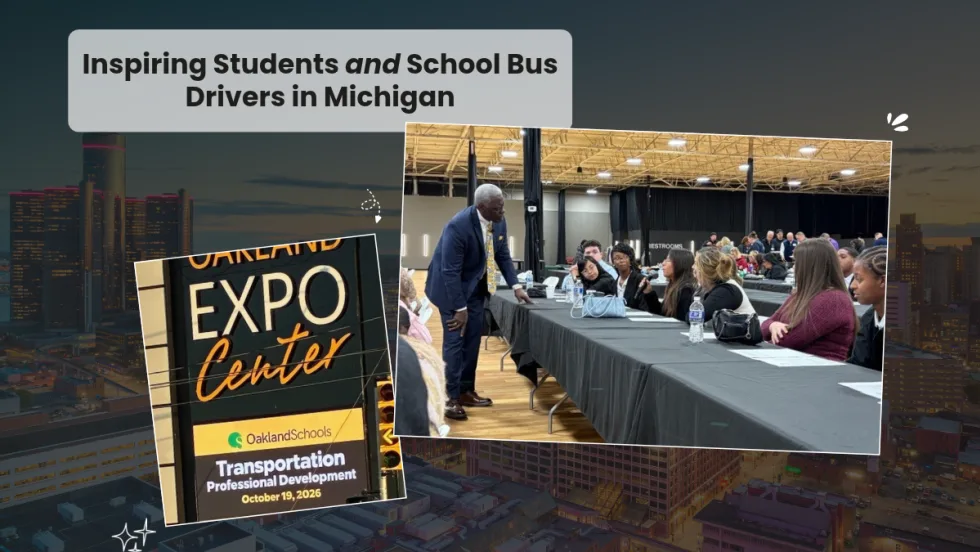
Michigan ISD Brings Students, School Bus Staff Together for Leadership Training
Oakland Schools is expanding its transportation staff training to include students, designed to build mutual respect and stronger relationships between both.

Four Lessons Learned from My Own ‘Mount Rushmore’ of Leaders
What makes a great leader? Shannon Barnett shares what he's learned from influential mentors and why leaders should seek wisdom and pass it on.
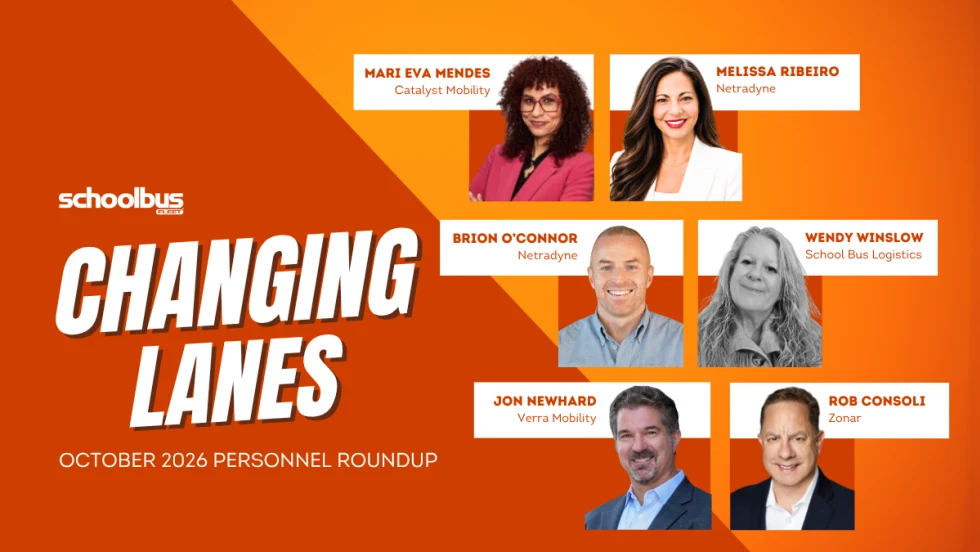
Changing Lanes: Catalyst Mobility, Netradyne, School Bus Logistics, Verra Mobility, Zonar
Get the rundown on who's been hired, promoted, and appointed to leadership positions at school transportation nonprofits, advisory companies, and tech providers.
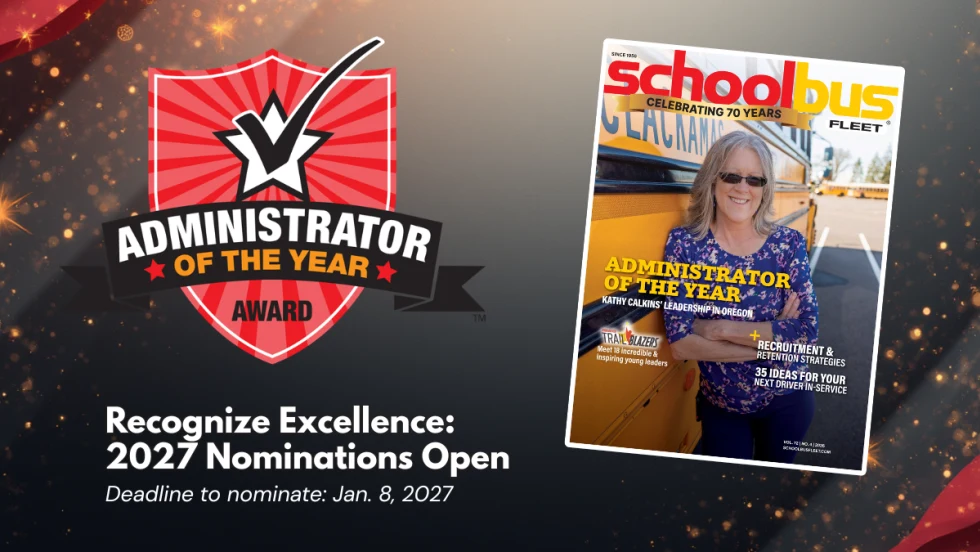
2027 School Bus Fleet Administrator of the Year: Nominations Now Open
Know a state or district-level transportation director who inspires others, leads by example, and goes above and beyond? Tell us about them for their chance to be recognized in this School Bus Fleet award!

5 Questions: How CharterUP Brought a Marketplace to Student Transportation
What does it take to bring a transportation marketplace into K-12? Hear firsthand what CharterUP has learned about the unique needs of schools and bus operators.