




NSTA Advocacy in Action — Was the entry-level negotiated rulemaking successful?
Twenty-six parties with different interests reached an agreement that is far better than the original proposal. The agreement includes a balance of increased requirements that are not detrimental to the industry and will foster safer entry-level drivers.

Ronna Weber is executive director of the National School Transportation Association.
As you may recall, the Federal Motor Carrier Safety Administration (FMCSA) first proposed a mandatory entry-level training program for operators of commercial motor vehicles in interstate operations in 2007.
In 2013, FMCSA withdrew their 2007 notice of proposed rulemaking (NPRM) due to widespread criticism of it. MAP-21, the multi-year transportation authorization bill passed in 2012, directed FMCSA to establish entry-level requirements for all drivers of commercial vehicles, including school buses. In December 2014, FMCSA issued notice of its intent to form a negotiated rulemaking committee to develop proposed regulations on this issue.
In a negotiated rulemaking, an agency (in this case FMCSA) invites representatives of interested parties affected by the regulation to participate in a negotiating committee to develop a consensus draft of a proposed rule. The theory is that if the interested parties can agree, then everyone else affected by the rule will likely agree.
If the committee were to reach consensus, then the agency would publish the proposal for public comment under the usual regulatory procedures. If the committee were unable to reach consensus, FMCSA would likely move forward on its own starting with the 2007 NPRM language that the industry found objectionable.
In response to the FMCSA notice of intent to form a committee, the Entry-Level Driver Training Advisory Committee was formed in January 2015. The committee met for six two-day meetings in the Washington, D.C., area between February and May and held many conference calls.
The committee included 26 individuals representing school transportation (the National School Transportation Association [NSTA] and the National Association of State Directors of Pupil Transportation Services), motorcoach, trucking, truck driving schools, state government, law enforcement, unions, safety advocates and FMCSA.
The issues to address were so voluminous that seven subcommittees were formed to work on them concurrently. These included core CDL curriculum; passenger endorsement curriculum; school bus endorsement curriculum; hazardous materials endorsement curriculum; certification/accreditation/accountability; cost-benefit data and analysis; and implementation and enforcement.
Committee members agreed to operate by consensus, which meant no more than three negative votes. If agreed to unanimously, FMCSA would use the agreement and any recommended regulations as the basis for the NPRM to the maximum extent possible. Again, if consensus could not be reached, FMCSA would move forward, likely starting with the 2007 language.
In the end, after much discussion, the agreement was crafted and adopted unanimously with no abstentions.
So what is the agreement? Once implemented, no “entry-level driver” may take a CDL skills test to receive a Class A or Class B CDL or passenger, school bus or hazmat endorsement unless he or she has satisfactorily completed a training program provided by a training provider listed on FMCSA’s Training Provider Registry. The registry will work similarly to the Certified Medical Examiner Registry and will be open to contractors.
Also, the committee agreed to curricula for Class A and B CDLs; the passenger, school bus and hazmat endorsements; and refresher training.
With respect to Class A and Class B CDLs, the committee-approved core curricula are generally sub-divided into theory and behind-the-wheel segments. Theory may be taught online or in a classroom, and the training provider must administer a written knowledge assessment to the student to demonstrate proficiency.
With respect to behind-the-wheel training, Class A trainees are required to receive a minimum of 30 hours, with a minimum of 10 of those hours spent on a range (as either 10 hours on the road or 10 road trips). Class B trainees are required to receive a minimum of 15 hours (range and road driving), with a maximum of seven of those hours of road driving.
There were many other elements to the agreement addressing commercial learner’s permits; canceled, suspended or revoked CDLs; refresher training and detailing requirements for training providers, which were all agreed to by the committee.
The next step is for FMCSA to issue the agreement as an NPRM, which is expected this fall.
So was it successful? It was. That success can be measured in many ways:
• Twenty-six parties with very different views and interests worked together and reached an agreement that is far better than the original proposal.
• The agreement includes a balance of increased requirements that are not detrimental to the industry and will foster safer entry-level drivers.
• The requirements placed upon FMCSA have been met, and the industry is truly better for it.
• FMCSA will this fall issue an NPRM honoring the agreement.
NSTA was pleased to be part of this process, and we thank those who gave up so much of their time to work through this issue with us.
More Safety
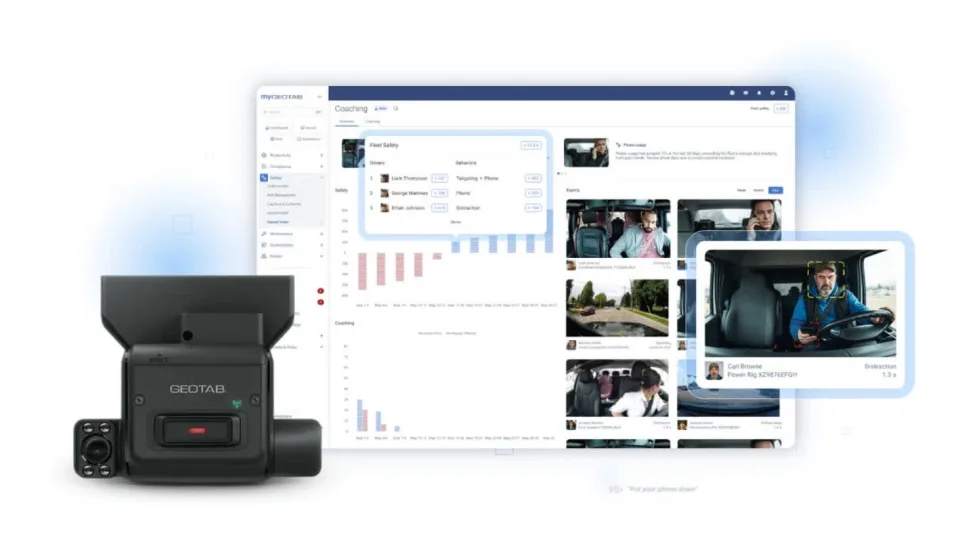
Geotab Expands Fleet Safety Tools With Video Coaching, Risk Insights
New safety and video capabilities aim to help fleet managers assess risk, support drivers, and take targeted action through video coaching, red-light violation detection, and more.
Read More →
How to Build a Better School Bus Driver Training Program
Is it time to strengthen your driver training? Here’s how to pick the right talent and improve recruitment, retention, and safety. This video is brought to you by IC Bus.
Read More →
Recent School Bus Accidents Leave 2 Dead, 2 Injured
Four school bus crashes in Florida, Illinois, and Georgia highlight risks in transportation lots, at bus stops, and during student loading and unloading.
Read More →

When Every Second Matters, Clarity Keeps Routes Moving
From routine delays to urgent incidents, strong communication practices help drivers, dispatchers, schools, and families respond with confidence.
Read More →
What Happens When a School Bus Catches Fire — and What Can Help
School bus fires are rare but can be devastating. Learn how advances in fire suppression and asset protection help fleets detect fires earlier, reduce damage, and improve safety.
Read More →
Geotab Launches Tool to Help Fleets Investigate Road Incidents
Geotab Investigations combines telematics data, video, documents, and other evidence to help fleets reconstruct incidents, resolve claims, and determine what happened.
Read More →
Texas Sixth Grader Wins 2026 National School Bus Safety Poster Contest
Sai Darshana Yekolu of Moseley Middle School in Prosper, Texas, was named the newest winner for her artwork, bringing the theme of “Safe Rides, Everyday Heroes” to life.
Read More →
Doing More With Less: How Transportation Directors Can Prioritize Safety Amid Budget Uncertainty
With diesel prices soaring and nearly one-third of transportation directors expecting budget cuts, maintaining student safety has never been more challenging. Download this guide to learn how leading districts are prioritizing risk, funding critical safety technology, and building stronger budget cases with data.
Read More →
Walton County Schools Adds Gatekeeper Stop-Arm Enforcement System
The Florida district will deploy Gatekeeper’s updated Student Protector technology, which now incorporates AI to improve video evidence.
Read More →
How To Build a More Secure School Bus Yard During and After Hours
As thefts and overnight security threats continue, school transportation leaders are combining stronger operational practices with AI-enabled surveillance to better protect buses, facilities, and staff.
Read More →