


 MENU
 SEARCHMENUSEARCH
Loading data...
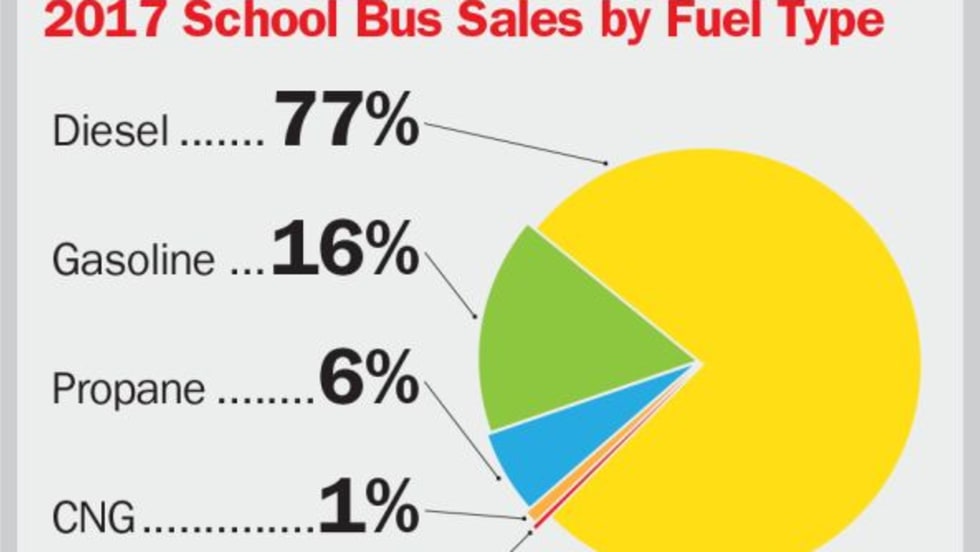
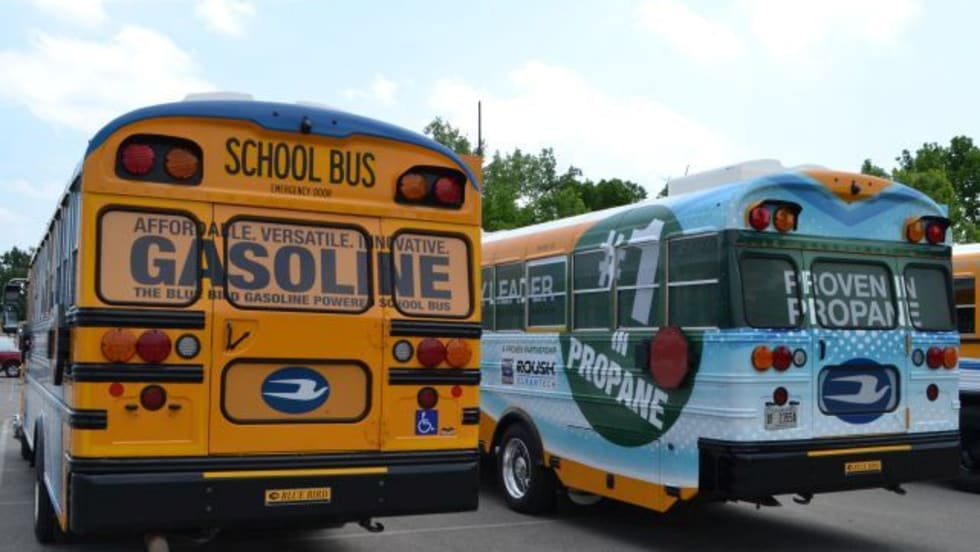
Diesel has long been the foremost fuel when it comes to large school buses, but there was a noteworthy shift in 2017 as gasoline Type C school buses came into the picture. Propane was the most popular alternative fuel.
Read More →
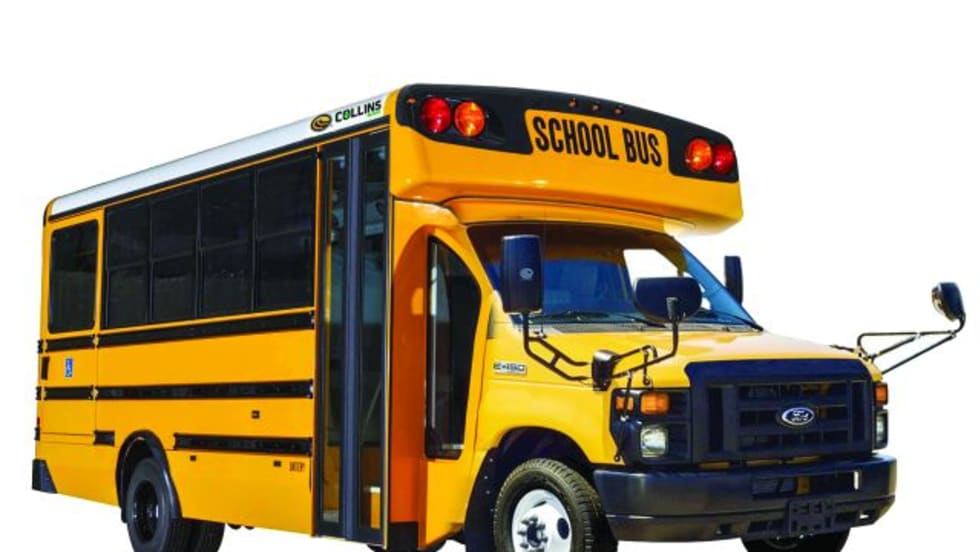


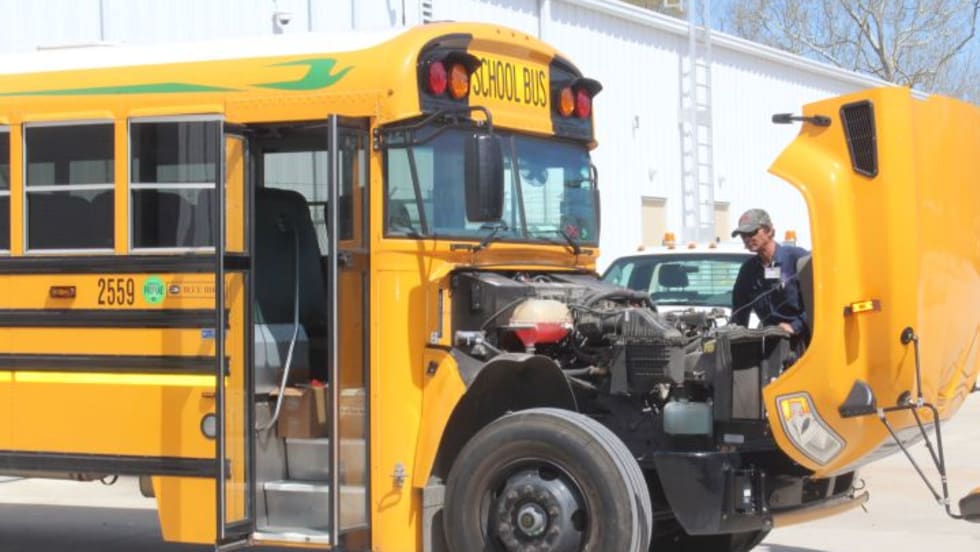
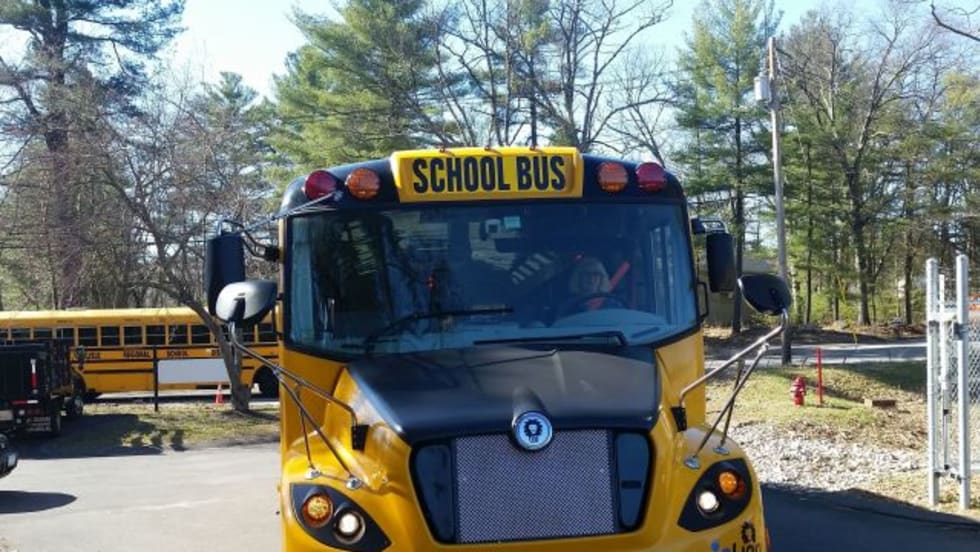


John Gonzales, a senior engineer for NREL, discusses alt-fuel trends, funding from the Volkswagen settlements, and the potential of electric school buses.
Read More →The bus utilizes Motiv’s Electric Powered Intelligent Chassis, based on the Ford E-450 platform.
Read More →The cost factors of alternative fuels and the transportation impact of school reform are also key topics at the 2018 edition of the event.
Read More →The school bus manufacturer features its All American RE Electric Type D and Micro Bird’s G5 Electric Type A at the Canadian Pupil Transportation Conference trade show.
Read More →Following a 2016 flood that devastated the state, East Baton Rouge Parish Schools saw a chance to replace its damaged diesel buses while shifting to a propane fleet.
Read More →Operators see reliable and quieter operation, fuel cost savings, and longer brake life. They recommend partnering with utility companies, installing charging infrastructure before receiving buses, and extensive driver training.
Read More →The partners have reportedly deployed more than 16,000 propane, CNG, and gasoline-powered school buses since 2012.
Read More →Thirteen school bus operators receive funding for an electric school bus and charging infrastructure from the Ontario Electric School Bus Pilot Program.
Read More →Over 40 school districts in Southern California will soon each receive up to 15 CNG and propane school buses to replace pre-1994 diesel school buses.
Read More →